Students debate about incorporating service-learning into their school's curriculum.

The Great Service-Learning Debate & Research Project
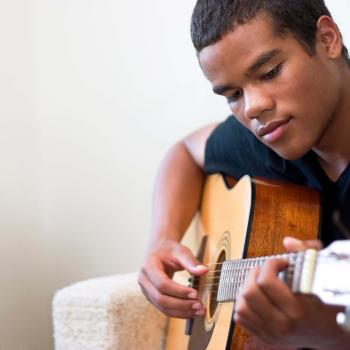
Songs of Our Lives: Using Lyrics to Write Stories
Students learn about the life and music of John Lennon, write a short story from their lives integrating lyrics from some of their favorite songs, and create a class book of stories.

Using Microblogging and Social Networking to Explore Characterization and Style
Students use social networking sites to trace the development of characters by assuming the persona of a character on the class Ning and sending a set number of tweets, or status updates.
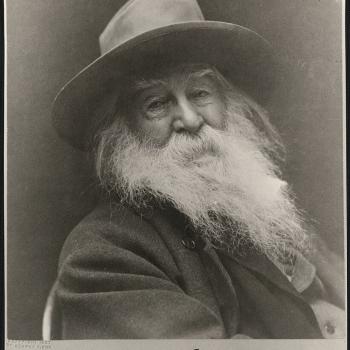
Walt Whitman as a Model Poet: "I Hear My School Singing"
Students first analyze Walt Whitman's "I Hear America Singing," then use Whitman's poem as a model as they create their own list poems.
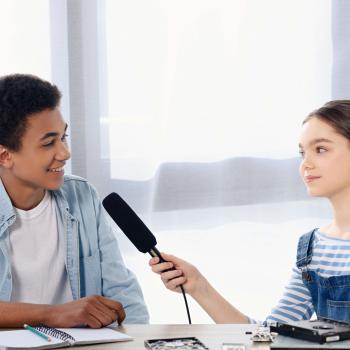
The Feature Story—Fifteen Minutes (and 500 Words) of Fame!
Students learn how to differentiate between a news story and a feature story by writing a profile of a classmate.
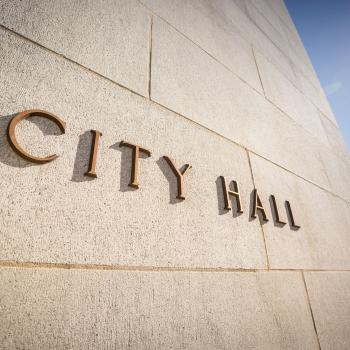
Communicating on Local Issues: Exploring Audience in Persuasive Letter Writing
Students will research a local issue, and then write letters to two different audiences, asking readers to take a related action or adopt a specific position on the issue.

Authentic Persuasive Writing to Promote Summer Reading
Turn summer reading lists from a teacher-centered requirement to a student-driven exploration by asking students to create brochures and flyers that suggest books to explore during the summer months.

Making Connections to Myth and Folktale: The Many Ways to Rainy Mountain
Following the model of N. Scott Momaday's The Way To Rainy Mountain, students write three-voice narratives based on Kiowa folktales, an interview with an Elder, and personal connections to theme.

Chasing the Dream: Researching the Meaning of the American Dream
By conducting interviews, sharing and assessing data, and writing papers based on their authentic research, students reach their own conclusions on the meaning of the American Dream.
Blending the Past with Today's Technology: Using Prezi to Prepare for Historical Fiction
To prepare for literature circles featuring historical novels, students research the decades of the 1930s to the 1990s and share their information using Prezi, a web application for creating multimedia presentations.

Vote for Me! Making Presidential Commercials Using Avatars
After researching political platforms of past presidents through primary sources and other resources, students create commercials for these presidents using Voki, an online web tool that produces speaking avatars.

Book Report Alternative: Getting Acquainted with Farcebook
In this alternative to the traditional book report, students report on their novel choices using Facebook-like pages.

Not Your Usual History Lesson: Writing Historical Markers
Students will develop their summarizing skills while learning about local history. They will learn to consider audience while selecting topics, conducting research and interviews, and writing historical markers for their town.

Professional Writing in Action! Publishing Student Reviews Online
Writing professional reviews teaches students to understand audience, content, and publication guidelines. In this lesson, students put these into practice as professional writers critiquing, designing, and publishing reviews on Amazon.com.

Exploring the Power of Language with Six-Word Memoirs
What do the words we write really have to say about us? In this lesson, students examine the power of word choice as they write six-word memoirs of their lives.

Sí, Se Puede: Making a Difference, One Letter at a Time
After reading the book ¡Si, Se Puede!/Yes, We Can!: Janitor Strike in L.A., students learn about labor unions, strikes, and organizing for change. Students interview staff members in their school to learn about their daily work life, and write persuasive advocacy letters.

Boars and Baseball: Making Connections
In this lesson, students will make text-to-self, text-to-text, and text-to-world connections after reading In the Year of the Boar and Jackie Robinson. After sharing and discussing connections, students choose and plan a project that makes a personal connection to the text.

Style-Shifting: Examining and Using Formal and Informal Language Styles
Students observe how language features vary when shifting from an informal to a formal style or vice versa. By engaging in style shifting in both speech and writing, students become aware of how we all change language styles depending on the contexts in which we are speaking or writing.

Introducing Each Other: Interviews, Memoirs, Photos, and Internet Research
Students use their communication and writing skills as they interview a partner, write an article about them, and create a multimodal presentation to introduce their partner to the class.
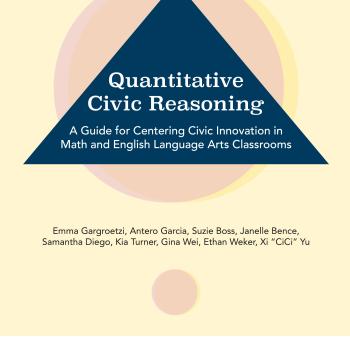
Quantitative Civic Reasoning: A Guide for Centering Civic Innovation in Math and English Language Arts Classrooms
This guide explores quantitative civic reasoning in English and math classrooms.