Students analyze characterization by creating their own superheroes or super-villains,
complete with related gadgets and settings.

Fantastic Characters: Analyzing and Creating Superheroes and Villains
Cut up, Cover up, and Come Away with Ideas for Writing!
Students rework their forgotten/abandoned drafts by cutting and covering up selected words. By creatively manipulating text, they explore portal writing, a strategy for envisioning a new story or story direction.

The Mysteries of Harris Burdick: Using Illustrations to Guide Writing
Students use illustrations from The Mysteries of Harris Burdick as a guide to write mysteries
and then present their stories to the class for students to discuss to which illustration each
story corresponds.

Color My World: Expanding Meaning Potential through Media
Using different writing/drawing materials (e.g., markers, color pencils, pastels, etc.), students learn how to communicate different moods and/or feelings to support their written ideas and how authors do the same through their work.
American Folklore: A Jigsaw Character Study
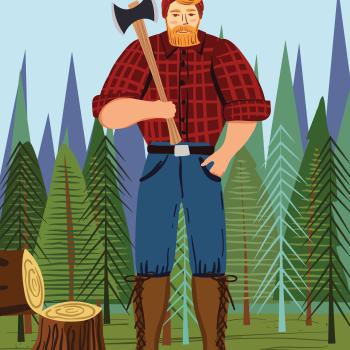
Groups of students read and discuss American folklore stories, each group reading a different story. Using a jigsaw strategy, the groups compare character traits and main plot points of the stories. A diverse selection of American folk tales is used for this lesson, which is adaptable to any text set.

Texting a Response to Lord of the Flies
Students use Lord of the Flies to explore communication styles and techniques by writing text messages from one of the novel's characters to an imagined audience off the island.
Building Vocabulary: Making Multigenre Glossaries Based on Student Inquiry
Students choose unfamiliar words from their reading and create a multigenre, multimodal glossary of terms.
Entering History: Nikki Giovanni and Martin Luther King, Jr.
Nikki Giovanni's poem "The Funeral of Martin Luther King, Jr." is paired with Dr. King's "I Have a Dream" speech, taking students on a quest through time to the Civil Rights movement.
Plot Structure: A Literary Elements Mini-Lesson
Students learn that the plot structure described by Freytag's Pyramid is actually quite familiar as they diagram the plots of a familiar story, a television show, and a narrative poem.

On a Musical Note: Exploring Reading Strategies by Creating a Soundtrack
Students create a soundtrack for a novel that they have read, as they engage in such traditional reading strategies as predicting, visualizing, and questioning.

Reading and Analyzing Multigenre Texts
Students develop a definition of multigenre texts by exploring multigenre picture books. They brainstorm what it takes to read these texts successfully and discuss strategies needed to comprehend the texts.

Book Report Alternative: Comic Strips and Cartoon Squares
Students must think critically to create comic strips highlighting six important scenes from a book they have read.

Doodle Splash: Using Graphics to Discuss Literature
Students keep a doodle journal while reading short stories by a common author. In small groups, students then combine their doodles into a graphic representation of the text.

Talking Poetry with Blabberize
Students will be motivated to share their poetry through an online tool the features recording and animation.

Book Report Alternative: Rewind the Plot!
In this alternative to the traditional book report, students report on their novel choices by rewinding the plot.
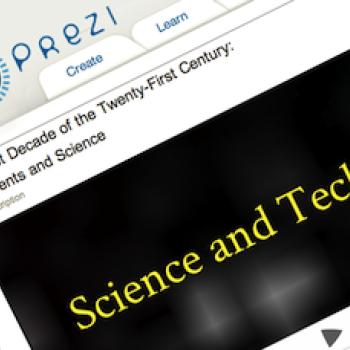
Blending the Past with Today's Technology: Using Prezi to Prepare for Historical Fiction
To prepare for literature circles featuring historical novels, students research the decades of the 1930s to the 1990s and share their information using Prezi, a web application for creating multimedia presentations.

Vote for Me! Making Presidential Commercials Using Avatars
After researching political platforms of past presidents through primary sources and other resources, students create commercials for these presidents using Voki, an online web tool that produces speaking avatars.
Animate that Haiku!
Following the traditional form of the haiku, students publish their own haikus using Animoto, an online web tool to produce slideshows that blend text and music.
What Did George Post Today? Learning About People of the American Revolution Through Facebook
After researching famous people of the American Revolution, students create Facebook-like PowerPoint presentations to share their knowledge with classmates.
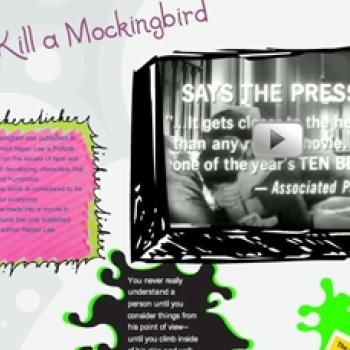
Book Report Alternative: Glog That Book!
In this alternative book report, students identify the elements of fiction in books they have read by creating glogs, interactive multimedia posters, and then share their glogs.