ReadWriteThink - Powered by NCTE
  • About
  • Classroom Resources
    • Lesson Plans
    • Teaching Comics
    • Teaching With Primary Resources
    • Calendar
    • Printouts
    • Student Interactives
  • Collections
    • Assessment
    • Authors
    • Booklists
    • Media Literacy
    • Poetry
    • Primary Sources
    • Writing
  • Professional Development
    • Strategy Guides
    • Professional Library
    • Meetings & Events
  • Join NCTE
  • Contact Us
  • About
  • Classroom Resources
    • Lesson Plans
    • Teaching Comics
    • Teaching With Primary Resources
    • Calendar
    • Printouts
    • Student Interactives
  • Collections
    • Assessment
    • Authors
    • Booklists
    • Media Literacy
    • Poetry
    • Primary Sources
    • Writing
  • Professional Development
    • Strategy Guides
    • Professional Library
    • Meetings & Events
  • Join NCTE
  • Contact Us
  • Facebook
  • Twitter
  • Instagram
  • Pinterest
  • YouTube

Breadcrumb

  1. Home

Type

  • (-) Standard Lesson

Grades

  • 1 (33)
  • 2 (34)
  • 3 (28)
  • 4 (29)
  • 5 (28)
  • 6 (28)
  • 9 (14)
  • 10 (14)
  • 11 (13)
  • 12 (13)
  • K (29)
  • (-) 7 (30)

Learning Objectives

  • (-) Vocabulary (30)
  • collaboration (67)
  • Comprehension (73)
  • critical thinking (77)
  • digital literacy (35)
  • Grammar (7)
  • inquiry / research (54)
  • listening (12)
  • literary analysis (59)
  • Media literacy (31)
  • metacognition (33)
  • multicultural awareness (15)
  • multimodal literacy (46)
  • oral communication (37)
  • print awareness (8)
  • reading fluency (5)
  • reading genres (25)
  • Spelling (5)
  • text structure / story structure (23)
  • writing genres (63)
  • writing process (66)

Topics

  • arts
  • community
  • drama
  • ELL
  • fiction
  • Mathematics
  • Mobile Learning
  • nonfiction
  • poetry
  • science
  • seasons / holidays
  • social action
  • social studies / history
  • Sports
  • STEM
Fantastic Characters: Analyzing and Creating Superheroes and Villains
Grades
6 - 8
|
Lesson Plan
|
Standard Lesson
Fantastic Characters: Analyzing and Creating Superheroes and Villains
Students analyze characterization by creating their own superheroes or super-villains, complete with related gadgets and settings.

Cut up, Cover up, and Come Away with Ideas for Writing!
Grades
6 - 8
|
Lesson Plan
|
Standard Lesson
Cut up, Cover up, and Come Away with Ideas for Writing!
Students rework their forgotten/abandoned drafts by cutting and covering up selected words. By creatively manipulating text, they explore portal writing, a strategy for envisioning a new story or story direction.
Building Vocabulary: Making Multigenre Glossaries Based on Student Inquiry
Grades
6 - 8
|
Lesson Plan
|
Standard Lesson
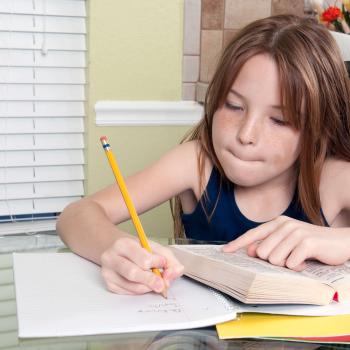
Building Vocabulary: Making Multigenre Glossaries Based on Student Inquiry
Students choose unfamiliar words from their reading and create a multigenre, multimodal glossary of terms.
Supporting Vocabulary Development with EASE
Grades
6 - 8
|
Lesson Plan
|
Standard Lesson
Supporting Vocabulary Development with EASE
This lesson allows teachers to enrich students' oral and written vocabulary using the EASE sequence of instruction: Enunciate, Associate, Synthesize, and Emphasize the words you want students to use.
Entering History: Nikki Giovanni and Martin Luther King, Jr.
Grades
6 - 8
|
Lesson Plan
|
Standard Lesson
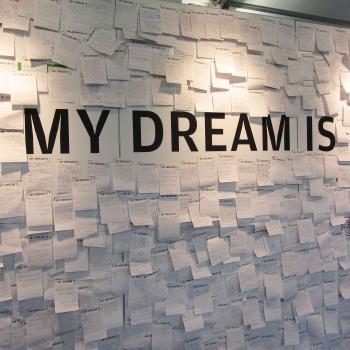
Entering History: Nikki Giovanni and Martin Luther King, Jr.
Nikki Giovanni's poem "The Funeral of Martin Luther King, Jr." is paired with Dr. King's "I Have a Dream" speech, taking students on a quest through time to the Civil Rights movement.
Finding the Science Behind Science Fiction through Paired Readings
Grades
6 - 8
|
Lesson Plan
|
Standard Lesson
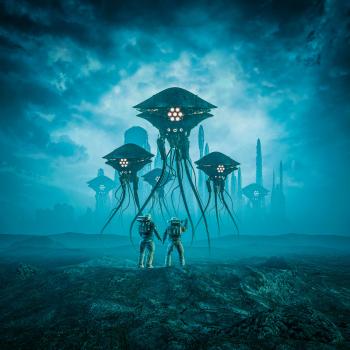
Finding the Science Behind Science Fiction through Paired Readings
Students read science fiction texts and then use nonfiction texts to extrapolate the scientific principles presented as they discuss the "what ifs" within the context of scientific principles.
Focusing Reader Response Through Vocabulary Analysis
Grades
6 - 8
|
Lesson Plan
|
Standard Lesson
Focusing Reader Response Through Vocabulary Analysis
Students suggest and categorize words that they associate with a novel they have recently read, ranging from details about the plot to feelings about a character.
Picture This: Student Created Online Vocabulary Flashcards
Grades
7 - 12
|
Lesson Plan
|
Standard Lesson
Picture This: Student Created Online Vocabulary Flashcards
Let the students be the vocabulary experts! Prior to whole class instruction, students create online flashcards and teach the class the new vocabulary.
Highlighting Out-of-School Language Expertise with Pop Culture Dictionaries
Grades
6 - 12
|
Lesson Plan
|
Standard Lesson
Highlighting Out-of-School Language Expertise with Pop Culture Dictionaries

Students compose dictionary entries for words and phrases from pop culture texts (e.g., television shows, movies, lyrics, YouTube videos), connecting their definitions to their personal use of the terms.

A-B-C:  It's Easy as 1-2-3 to Make Math Alphabet Books
Grades
4 - 8
|
Lesson Plan
|
Standard Lesson
A-B-C: It's Easy as 1-2-3 to Make Math Alphabet Books
Using the Alphabet Organizer app, students create alphabet books to review math terms.

Action Is Character: Exploring Character Traits with Adjectives
Grades
6 - 8
|
Lesson Plan
|
Standard Lesson
Action Is Character: Exploring Character Traits with Adjectives
Students must "become" a character in a novel in order to describe themselves and other characters using powerful adjectives.

6 - 8

Character Traits: Character Analysis through Comics: Digging Into Body Biography

Teaching Comics
Swish! Pow! Whack! Teaching Onomatopoeia Through Sports Poetry
Grades
6 - 8
|
Lesson Plan
|
Standard Lesson
Swish! Pow! Whack! Teaching Onomatopoeia Through Sports Poetry
Students explore poetry about sports, looking closely at the use of onomatopoeia. After viewing a segment of a sporting event, students create their own onomatopoeic sports poems.
Grades
6 - 8
|
Lesson Plan
|
Standard Lesson
More than One Way to Create Vivid Verbs
This lesson teaches students how to use old verbs in a new way, thus creating new and fresh descriptive phrases.

Textmasters: Shaking Up Textbook Reading in Science Classrooms
Grades
6 - 8
|
Lesson Plan
|
Standard Lesson
Textmasters: Shaking Up Textbook Reading in Science Classrooms
Engage students in content area reading with the Textmasters strategy, which allows students to collaborate with their peers in different roles that enable better understanding of the content.

Grades
6 - 8
|
Lesson Plan
|
Standard Lesson
Persuading the Principal: Writing Persuasive Letters About School Issues
Students learn that you don't have to raise your voice to raise a point. Writing a persuasive letter to your principal is a great way to get your opinions heard.
Grades
6 - 8
|
Lesson Plan
|
Standard Lesson
Describe That Face: An Interactive Writing Game
Students write descriptions of characters, incorporate new vocabulary words, practice using simile and metaphor, engage in peer editing, and post their revised descriptions on the walls for a matching game.
Grades
4 - 8
|
Lesson Plan
|
Standard Lesson
Using Word Webs to Teach Synonyms for Commonly Used Words
Students use word webs to choose synonyms for generic adjectives and to learn to adjust their word usage for different contexts.
Grades
6 - 8
|
Lesson Plan
|
Standard Lesson
ABC Bookmaking Builds Vocabulary in the Content Areas
V is for vocabulary. A content area unit provides the theme for a specialized ABC book, as students select, research, define, and illustrate a word for each alphabet letter.
Grades
6 - 8
|
Lesson Plan
|
Standard Lesson
Using the Four-Square Strategy to Define and Identify Poetic Terms
How do poets play with language? Students will explore some answers to this question as they search through poems for examples of alliteration, assonance, simile, and rhyme.

Pagination

  • Page 1
  • Page 2
  • Next page ››
  • Last page Last »

Explore Resources by Grade

  • KindergartenK
  • 1-2
  • 3-4
  • 5-6
  • 7-8
  • 9-10
  • 11-12

RWT-logo

Powered By NCTE

Footer 1 Menu

  • About
  • Classroom Resources
  • Professional Development
  • Collections
  • Contact Us

Footer 2 Menu

  • National Council of Teachers of English
  • Contribute to RWT
  • FAQs
  • Join NCTE

Footer 3 Menu

  • Legal Notices
  • Privacy Policy
  • Promotional Materials
  • Site Demonstrations

Want to stay in touch with RWT and NCTE? Sign up here!

  • Facebook
  • Twitter
  • Instagram
  • Pinterest
  • YouTube

© NCTE 2026. All rights reserved