Students learn about the life and music of John Lennon, write a short story from their lives integrating lyrics from some of their favorite songs, and create a class book of stories.
Songs of Our Lives: Using Lyrics to Write Stories
Cut up, Cover up, and Come Away with Ideas for Writing!
Students rework their forgotten/abandoned drafts by cutting and covering up selected words. By creatively manipulating text, they explore portal writing, a strategy for envisioning a new story or story direction.
Entering History: Nikki Giovanni and Martin Luther King, Jr.
Nikki Giovanni's poem "The Funeral of Martin Luther King, Jr." is paired with Dr. King's "I Have a Dream" speech, taking students on a quest through time to the Civil Rights movement.

Plot Structure: A Literary Elements Mini-Lesson
Students learn that the plot structure described by Freytag's Pyramid is actually quite familiar as they diagram the plots of a familiar story, a television show, and a narrative poem.
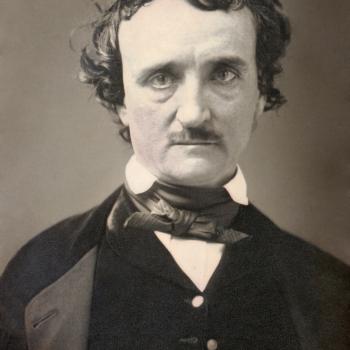
Modeling Reading and Analysis Processes with the Works of Edgar Allan Poe
Explore reading strategies using Edgar Allan Poe's "The Raven" and other works. Students read Poe's works in both large- and small-group readings then conclude with a variety of projects.

Making History Come Alive Through Poetry and Song
Students compare the sinking of the Edmund Fitzgerald with the song, "The Wreck of the Edmund Fitzgerald," then create their own poetry about a historical event.

Experiencing Haiku Through Mindfulness, Movement & Music
By being present and mindful on nature walks, students write haiku using vivid sensory language; and explore body movement, music and art as visual and kinesthetic representations of their poetry.
Active Reading through Self-Assessment: The Student-Made Quiz
This recurring lesson encourages students to comprehend their reading through inquiry and collaboration. They choose important quotations from the text and work in groups to formulate "quiz" questions that their peers will answer.

Exploring Perspectives on Desegregation Using Brown Girl Dreaming
Students read and discuss a selection of poems from Jacqueline Woodson's Brown Girl Dreaming to explore varying views on the process of desegregation in America.
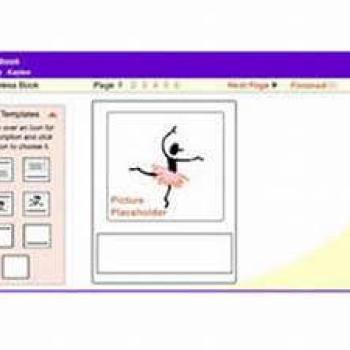
Stapleless Book
The Stapleless Book can be used for taking notes while reading, making picture books, collecting facts, or creating vocabulary booklets . . . the possibilities are endless!
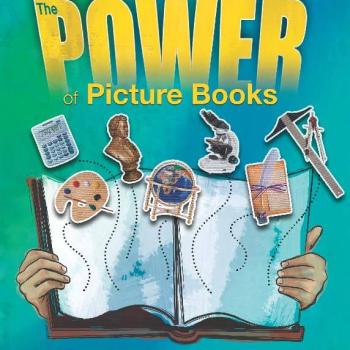
Power of Picture Books, The: Using Content Area Literature in Middle School
Featuring descriptions and activities for fifty exceptional titles, Mary Jo Fresch and Peggy Harkins offer a wealth of ideas for harnessing the power of picture books to improve reading and writing in the content areas.

RAFT Writing Template
Students can utilize this printout to organize their writing as they learn to use the RAFT strategy. This printout enables students to clearly define their role, audience, format, and topic for writing.

Socratic Seminars
This strategy guide explains Socratic seminars and offers practical methods for applying the approach in your classroom to help students investigate multiple perspectives in a text.
Teaching Reading with YA Literature: Complex Texts, Complex Lives
This book is designed to help teachers develop their own version of YA pedagogy and a vision for teaching YA lit in the middle and secondary classroom.

Close Reading of Literary Texts
This guide provides strategies for choosing text that is appropriate for close reading and to plan for instruction.

Reading on the Go
In this Strategy Guide, learn how to prepare yourself and your students for reading and note-taking in mobile environments.

Teaching with Zooming Slideshows through Prezi
Through Prezi, a web application, students create "zooming" presentations for various purposes, such as presenting research, defending an opinion, or sharing a digital story.

Bringing Lessons to Life with Animoto
Using Animoto, a free Web 2.0 tool, students can develop short digital videos that include music, photos, video clips, and text as well as share their creations electronically.

Swish! Pow! Whack! Teaching Onomatopoeia Through Sports Poetry
Students explore poetry about sports, looking closely at the use of onomatopoeia. After viewing a segment of a sporting event, students create their own onomatopoeic sports poems.

What is Poetry? Contrasting Poetry and Prose
Students often find poetry frustrating and meaningless. By helping students think critically about the differences between poetry and prose, this introduction sets the stage for different strategies for comprehending poetic texts.