Students read texts by Dybek, Dickens, Poe, and Morrison to explore how authors use language to create setting and, in turn, how setting constructs other elements in a literary work.

Exploring Setting: Constructing Character, Point of View, Atmosphere, and Theme

Analyzing Grammar Pet Peeves
By analyzing Dear Abby's "rant" about bad grammar usage, students become aware that attitudes about race, social class, moral and ethical character, and "proper" language use are intertwined.

Developing Characterization in Raymond Carver's "A Small, Good Thing"
Students read Raymond Carver's story "A Small, Good Thing," focusing on characterization in order to develop one of the static charactersthe hit-and-run driver who causes Scotty's deathmore fully.

Many Years Later: Responding to Gwendolyn Brooks' "We Real Cool"
Students analyze the Gwendolyn Brooks' poem "We Real Cool" and then write about how the character's pool hall days might influence who the character becomes fifty years in the future.
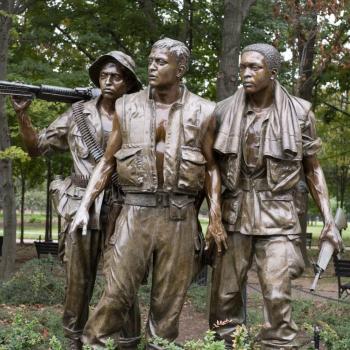
Love of War in Tim O'Brien's "How to Tell a True War Story"
Students explore the theme of love of war through texts on camaraderie among soldiers. They then compose a visual collage depicting their beliefs about the relationship between love and war.

Analyzing and Podcasting About Images of Oscar Wilde
Students analyze images of Oscar Wilde used to publicize his 1882 American lecture tour. They then compare a caricature to another researched image, sharing this analysis in a podcast.

Reaching Across Time: Scaffolded Engagements With a 19th-Century Text
Students in the 21st century need to build background knowledge and fill in textual gaps to enter the unfamiliar world of "Bartleby the Scrivener: A Story of Wall Street."

Making It Visual for ELL Students: Teaching History Using Maus
Spark the engagement of English-language learners or reluctant readers with the graphic novel Maus. The visual information provided by the genre serves as a support for reading and critical engagement.

Creating a Persuasive Podcast
Students learn how to get their voice out on the web when they research issues important to them and compose a persuasive podcast to post online.

Creating Character Blogs
Students view examples of blogs, learn the basic elements of blog creation, and then create a blog from the perspective of a fictional character.

Thoughtful Threads: Sparking Rich Online Discussions
Today's students love chatting online with friends. This lesson combines that love with literature. Students form literature circles and have meaningful online discussions about a literary work.

Latino Poetry Blog: Blogging as a Forum for Open Discussion
In this lesson, students use blogs to hold discussions about the effect of the factors of culture, history, and environment on Latino poetry.

I Remember That Book: Rereading as a Critical Investigation
Curl up with a good book againor not. In this lesson, students brainstorm why they reread some books, while passing up others, and write their reflections in an essay.

Hoax or No Hoax? Strategies for Online Comprehension and Evaluation
Are your students easily fooled? You'll find out in this lesson in which students carefully and critically examine hoax websites to determine their validity.

Semicolons and Swift: Analyzing Punctuation and Meaning
This lesson will help punctuation make a mark on students as they read Jonathan Swift's work and analyze his use of punctuation.

Exploring Consumerism Where Ads and Art Intersect
Students add up the effect of images and persuasive language to analyze the art and words in advertisements.

In the Style of Ernie Pyle: Reporting on World War II
Students will think this lesson should make the headlines when they finish researching Ernie Pyle's work in preparation for writing their own news articles.
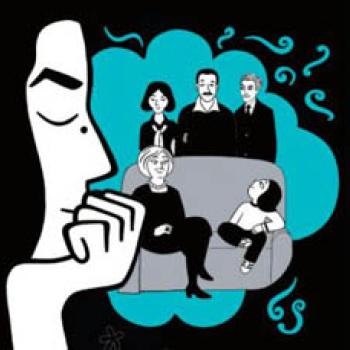
Pictures Tell the Story: Improving Comprehension With Persepolis
Students get the big picture of the Middle East when they read and analyze Marjane Satrapi's graphic novel Persepolis.
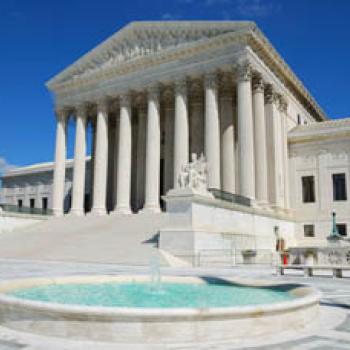
That's Not Fair! Examining Civil Liberties With the U.S. Supreme Court
Students have the right to have fun in this lesson in which they create a PowerPoint presentation about civil rights and the Supreme Court.

Seuss and Silverstein: Posing Questions, Presenting Points
Students will enjoy this blast from the past as they read the works of Dr. Seuss and Shel Silverstein to analyze the way social issues are addressed in selected works.