ReadWriteThink - Powered by NCTE
  • About
  • Classroom Resources
    • Lesson Plans
    • Teaching Comics
    • Teaching With Primary Resources
    • Calendar
    • Printouts
    • Student Interactives
  • Collections
    • Assessment
    • Authors
    • Booklists
    • Media Literacy
    • Poetry
    • Primary Sources
    • Writing
  • Professional Development
    • Strategy Guides
    • Professional Library
    • Meetings & Events
  • Join NCTE
  • Contact Us
  • About
  • Classroom Resources
    • Lesson Plans
    • Teaching Comics
    • Teaching With Primary Resources
    • Calendar
    • Printouts
    • Student Interactives
  • Collections
    • Assessment
    • Authors
    • Booklists
    • Media Literacy
    • Poetry
    • Primary Sources
    • Writing
  • Professional Development
    • Strategy Guides
    • Professional Library
    • Meetings & Events
  • Join NCTE
  • Contact Us
  • Facebook
  • Twitter
  • Instagram
  • Pinterest
  • YouTube

Breadcrumb

  1. Home

Type

  • (-) Standard Lesson

Grades

  • 1 (3)
  • 2 (5)
  • 3 (11)
  • 4 (14)
  • 5 (20)
  • 6 (33)
  • 7 (35)
  • 8 (37)
  • 10 (30)
  • 11 (29)
  • 12 (29)
  • K (3)
  • (-) 9 (32)

Learning Objectives

  • (-) digital literacy (32)
  • collaboration (87)
  • Comprehension (70)
  • critical thinking (113)
  • Grammar (7)
  • inquiry / research (41)
  • listening (20)
  • literary analysis (101)
  • Media literacy (49)
  • metacognition (34)
  • multicultural awareness (13)
  • multimodal literacy (52)
  • oral communication (40)
  • print awareness (8)
  • reading fluency (2)
  • reading genres (45)
  • Spelling (1)
  • text structure / story structure (30)
  • Vocabulary (14)
  • writing genres (74)
  • writing process (77)

Topics

  • arts
  • careers
  • community
  • drama
  • fiction
  • Mobile Learning
  • nonfiction
  • poetry
  • science
  • social action
  • social studies / history
  • STEM
Exploring The Prologue to <em>The Canterbury Tales</em> using Wikis
Grades
9 - 12
|
Lesson Plan
|
Standard Lesson
Exploring The Prologue to The Canterbury Tales using Wikis
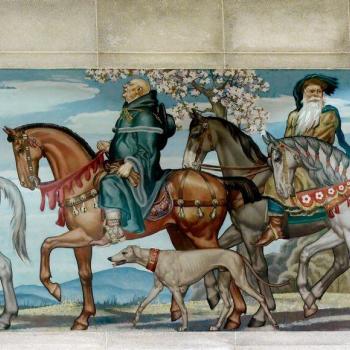
Students study Chaucer's Canterbury Tales not just for its rich language, but also for the insights it provides into the Middle Ages. Using wikis, students collaborate to study both literature and history on their own terms. They create meaning and build information networks using tools Chaucer himself would have loved.
Using Microblogging and Social Networking to Explore Characterization and Style
Grades
9 - 12
|
Lesson Plan
|
Standard Lesson
Using Microblogging and Social Networking to Explore Characterization and Style
Students use social networking sites to trace the development of characters by assuming the persona of a character on the class Ning and sending a set number of tweets, or status updates.
There Are No Small Parts: Minor Characters in <em>David Copperfield</em>
Grades
9 - 12
|
Lesson Plan
|
Standard Lesson
There Are No Small Parts: Minor Characters in David Copperfield
This lesson capitalizes on students' interest in social networking by asking students to build an online profile for a minor character in Charles Dickens' David Copperfield.

Blogtopia: Blogging about Your Own Utopia
Grades
9 - 12
|
Lesson Plan
|
Standard Lesson
Blogtopia: Blogging about Your Own Utopia
Students work together to create their own utopias, using blogs as the primary source of publication.

Defining Literacy in a Digital World
Grades
9 - 12
|
Lesson Plan
|
Standard Lesson
Defining Literacy in a Digital World
Through listing and observation, students identify the many texts that they read and compose—including books and magazines, television shows, movies, audio broadcasts, hypertexts, and animations.
Star-Crossed Lovers Online: <em>Romeo and Juliet</em> for a Digital Age
Grades
9 - 12
|
Lesson Plan
|
Standard Lesson
Star-Crossed Lovers Online: Romeo and Juliet for a Digital Age
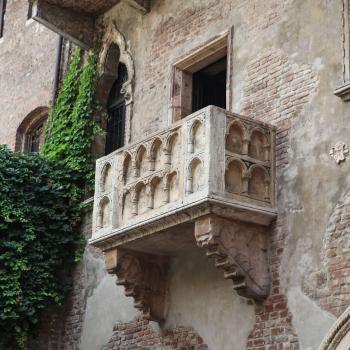
Explore the modern significance of an older text, such as Shakespeare's Romeo and Juliet, by asking students to create their own modern interpretation of specific events from the drama.

Naming in a Digital World: Creating a Safe Persona on the Internet
Grades
9 - 12
|
Lesson Plan
|
Standard Lesson
Naming in a Digital World: Creating a Safe Persona on the Internet
Students explore naming conventions in digital and non-digital settings then choose and explain specific names and profiles to represent themselves online.
Grades
9 - 12
|
Lesson Plan
|
Standard Lesson
Building Vietnam War Scavenger Hunts through Web-Based Inquiry
Students research the effects of the Vietnam war on a specific group of people who were involved. They then create Internet scavenger hunts to share with the class.
Paying Attention to Technology: Writing Technology Autobiographies
Grades
9 - 12
|
Lesson Plan
|
Standard Lesson
Paying Attention to Technology: Writing Technology Autobiographies
This lesson plan asks students to pay attention to the technologies they use. They graphically map their interactions with technology and compose narratives of their most significant interactions with technology.

Picture This: Student Created Online Vocabulary Flashcards
Grades
7 - 12
|
Lesson Plan
|
Standard Lesson
Picture This: Student Created Online Vocabulary Flashcards
Let the students be the vocabulary experts! Prior to whole class instruction, students create online flashcards and teach the class the new vocabulary.
Grades
6 - 10
|
Lesson Plan
|
Standard Lesson
Blending the Past with Today's Technology: Using Prezi to Prepare for Historical Fiction
To prepare for literature circles featuring historical novels, students research the decades of the 1930s to the 1990s and share their information using Prezi, a web application for creating multimedia presentations.
Vote for Me!  Making Presidential Commercials Using Avatars
Grades
6 - 12
|
Lesson Plan
|
Standard Lesson
Vote for Me! Making Presidential Commercials Using Avatars
After researching political platforms of past presidents through primary sources and other resources, students create commercials for these presidents using Voki, an online web tool that produces speaking avatars.

Book Report Alternative: Getting Acquainted with Farcebook
Grades
7 - 12
|
Lesson Plan
|
Standard Lesson
Book Report Alternative: Getting Acquainted with Farcebook
In this alternative to the traditional book report, students report on their novel choices using Facebook-like pages.
A Tale of a Few Text Messages: A Character Study of <i>A Tale of Two Cities</i>
Grades
9 - 12
|
Lesson Plan
|
Standard Lesson
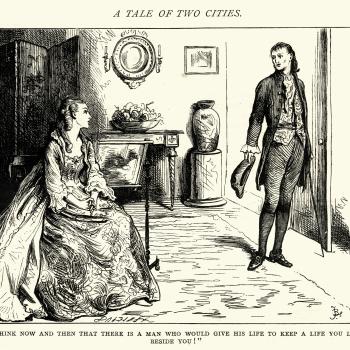
A Tale of a Few Text Messages: A Character Study of A Tale of Two Cities
Students use A Tale of Two Cities to explore relationships, plot points, character traits, and background by writing text messages between characters within the novel.
Sharing Information about Careers with Infographics
Grades
6 - 9
|
Lesson Plan
|
Standard Lesson
Sharing Information about Careers with Infographics
Students research careers of their own choosing. Then using Piktochart, students create their own infographics to illustrate their research.
Highlighting Out-of-School Language Expertise with Pop Culture Dictionaries
Grades
6 - 12
|
Lesson Plan
|
Standard Lesson
Highlighting Out-of-School Language Expertise with Pop Culture Dictionaries

Students compose dictionary entries for words and phrases from pop culture texts (e.g., television shows, movies, lyrics, YouTube videos), connecting their definitions to their personal use of the terms.
Summarizing with Haikus
Grades
6 - 12
|
Lesson Plan
|
Standard Lesson
Summarizing with Haikus
Using the Haiku Poem App or the Haiku Poem Interactive, students summarize papers they have written using the traditional format of a haiku.

Getting Graphic with Alternative Energy Sources
Grades
7 - 12
|
Lesson Plan
|
Standard Lesson
Getting Graphic with Alternative Energy Sources
After researching alternative sources of energy, students create online comic books to present their information.

Poppin' Fun with Physical and Chemical Changes
Grades
6 - 9
|
Lesson Plan
|
Standard Lesson
Poppin' Fun with Physical and Chemical Changes
Students will enjoy learning about physical and chemical changes as they turn their own photos into a narrated video using the iPad app SonicPics to illustrate (and eat) their results from a popcorn lab.
6 - 12

The Value that Immigrants Bring to Our Community: A Socratic Seminar

Teaching Comics

Pagination

  • Page 1
  • Page 2
  • Next page ››
  • Last page Last »

Explore Resources by Grade

  • KindergartenK
  • 1-2
  • 3-4
  • 5-6
  • 7-8
  • 9-10
  • 11-12

RWT-logo

Powered By NCTE

Footer 1 Menu

  • About
  • Classroom Resources
  • Professional Development
  • Collections
  • Contact Us

Footer 2 Menu

  • National Council of Teachers of English
  • Contribute to RWT
  • FAQs
  • Join NCTE

Footer 3 Menu

  • Legal Notices
  • Privacy Policy
  • Promotional Materials
  • Site Demonstrations

Want to stay in touch with RWT and NCTE? Sign up here!

  • Facebook
  • Twitter
  • Instagram
  • Pinterest
  • YouTube

© NCTE 2026. All rights reserved