ReadWriteThink - Powered by NCTE
  • About
  • Classroom Resources
    • Lesson Plans
    • Teaching Comics
    • Teaching With Primary Resources
    • Calendar
    • Printouts
    • Student Interactives
  • Collections
    • Assessment
    • Authors
    • Booklists
    • Media Literacy
    • Poetry
    • Primary Sources
    • Writing
  • Professional Development
    • Strategy Guides
    • Professional Library
    • Meetings & Events
  • Join NCTE
  • Contact Us
  • About
  • Classroom Resources
    • Lesson Plans
    • Teaching Comics
    • Teaching With Primary Resources
    • Calendar
    • Printouts
    • Student Interactives
  • Collections
    • Assessment
    • Authors
    • Booklists
    • Media Literacy
    • Poetry
    • Primary Sources
    • Writing
  • Professional Development
    • Strategy Guides
    • Professional Library
    • Meetings & Events
  • Join NCTE
  • Contact Us
  • Facebook
  • Twitter
  • Instagram
  • Pinterest
  • YouTube

Breadcrumb

  1. Home

Type

  • (-) Unit

Grades

  • 1 (18)
  • 2 (20)
  • 3 (24)
  • 4 (22)
  • 5 (22)
  • 6 (40)
  • 7 (43)
  • 8 (44)
  • 12 (44)
  • K (18)
  • (-) 9 (45)

Learning Objectives

  • collaboration (20)
  • Comprehension (12)
  • critical thinking (18)
  • digital literacy (10)
  • Grammar (1)
  • inquiry / research (17)
  • listening (4)
  • literary analysis (24)
  • Media literacy (12)
  • metacognition (6)
  • multicultural awareness (4)
  • multimodal literacy (19)
  • oral communication (11)
  • print awareness (2)
  • reading fluency (1)
  • reading genres (6)
  • text structure / story structure (7)
  • Vocabulary (2)
  • writing genres (15)
  • writing process (21)

Topics

  • arts
  • careers
  • community
  • drama
  • ELL
  • Family
  • fiction
  • Mathematics
  • nonfiction
  • poetry
  • science
  • social action
  • social studies / history
  • STEM
An Exploration of Romanticism Through Art and Poetry
Grades
9 - 12
|
Lesson Plan
|
Unit
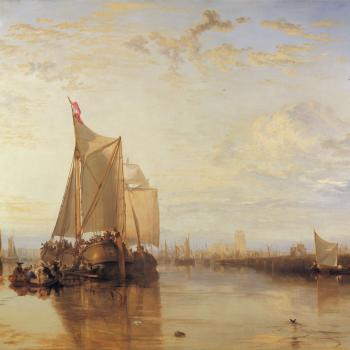
An Exploration of Romanticism Through Art and Poetry

Students use art and poetry to explore and understand major characteristics of the Romantic period.
Modeling Academic Writing Through Scholarly Article Presentations
Grades
9 - 12
|
Lesson Plan
|
Unit
Modeling Academic Writing Through Scholarly Article Presentations

Students prepare an already published scholarly article for presentation, with an emphasis on identification of the author's thesis and argument structure.

Brochures: Writing for Audience and Purpose
Grades
9 - 12
|
Lesson Plan
|
Unit
Brochures: Writing for Audience and Purpose
Students create brochures on the same topic as another piece of writing they have done, highlighting how shifting purposes and audiences creates changes in their strategies as writers.

Family Memoir: Getting Acquainted With Generations Before Us
Grades
9 - 12
|
Lesson Plan
|
Unit
Family Memoir: Getting Acquainted With Generations Before Us
Creating a memoir of an older family member allows students both to learn more about their own backgrounds and to learn the power of storytellers.
Audio Broadcasts and Podcasts: Oral Storytelling and Dramatization
Grades
9 - 12
|
Lesson Plan
|
Unit
Audio Broadcasts and Podcasts: Oral Storytelling and Dramatization

After exploring Orson Welles' 1938 broadcast of H. G. Wells' War of the Worlds, students create their own audio dramatization of a text they have read.
Designing Museum Exhibits for <em>The Grapes of Wrath</em>: A Multigenre Project
Grades
9 - 12
|
Lesson Plan
|
Unit
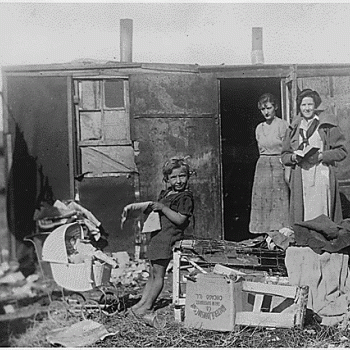
Designing Museum Exhibits for The Grapes of Wrath: A Multigenre Project

Using The Grapes of Wrath as a backdrop, students conduct research on issues that the novel addresses, publishing their findings in a multigenre museum exhibit.

Using Student-Centered Comprehension Strategies with Elie Wiesel's <em>Night</em>
Grades
9 - 12
|
Lesson Plan
|
Unit
Using Student-Centered Comprehension Strategies with Elie Wiesel's Night
Working in small groups, students read and discuss Elie Wiesel's memoir Night and then take turns assuming the "teacher" role, as the class works with four different comprehension strategies.

Copyright Infringement or Not? The Debate over Downloading Music
Grades
9 - 12
|
Lesson Plan
|
Unit
Copyright Infringement or Not? The Debate over Downloading Music
This lesson takes advantage of students' interest in music and audio sharing. Students investigate multiple perspectives in the music downloading debate and develop a persuasive argument for a classroom debate.
Grades
9 - 12
|
Lesson Plan
|
Unit
Connotation, Character, and Color Imagery in The Great Gatsby
Students explore the connotations of the colors associated with the characters in F. Scott Fitzgerald's The Great Gatsby.
Grades
9 - 12
|
Lesson Plan
|
Unit
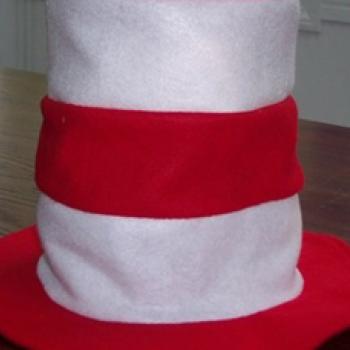
Id, Ego, and Superego in Dr. Seuss's The Cat in the Hat
Dr. Seuss's The Cat in the Hat is used as a primer to teach students how to analyze a literary work using plot, theme, characterization, and psychoanalytical criticism.
Literary Scrapbooks Online: An Electronic Reader-Response Project
Grades
9 - 12
|
Lesson Plan
|
Unit
Literary Scrapbooks Online: An Electronic Reader-Response Project
Students capture scraps of information from a variety of Web resources and use them to create an electronic scrapbook. Emphasis is placed on evaluating and citing resources.
Grades
9 - 12
|
Lesson Plan
|
Unit
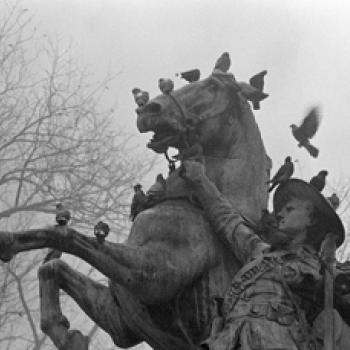
Heroes Are Made of This: Studying the Character of Heroes
Designed to explore the hero and the heroic in literature, this unit asks students to discuss their ideas of heroism and analyze heroes in literature.

Grades
9 - 12
|
Lesson Plan
|
Unit
Short Story Fair: Responding to Short Stories in Multiple Media and Genres

In this activity, students read short stories and create presentations in multiple media to share in a Short Story Fair. At the fair, students explore and respond to the displays.

Grades
9 - 12
|
Lesson Plan
|
Unit
Examining Transcendentalism through Popular Culture
Using excerpts from the works of Ralph Waldo Emerson and Henry David Thoreau, comics, and songs from different musical genres, students examine the characteristics of transcendentalism.
Grades
9 - 12
|
Lesson Plan
|
Unit
Weaving the Multigenre Web
Students analyze the elements of a novel in many different genres and then hyperlink these pieces together on student-constructed Websites.

The Passion of Punctuation
Grades
9 - 12
|
Lesson Plan
|
Unit
The Passion of Punctuation
Using published writers' texts and students' own writing, this unit explores emotions that are associated with the artful and deliberate use of commas, semicolons, colons, and exclamation points (end-stop marks of punctuation).
Comparing William Carlos Williams's Poetry with Cubist Paintings
Grades
9 - 12
|
Lesson Plan
|
Unit
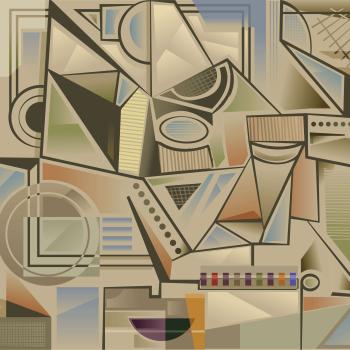
Comparing William Carlos Williams's Poetry with Cubist Paintings

Through discussion, drawing, and writing, students compare how William Carlos Williams's poetry and Cubist and Precisionist painting employ similar artistic strategies, enhancing their understanding of both kinds of text.

Reading Shakespeare's <i>The Tempest</i> through a Postcolonial Lens
Grades
9 - 12
|
Lesson Plan
|
Unit
Reading Shakespeare's The Tempest through a Postcolonial Lens
Students take a postcolonial perspective on the portrayal of Caliban from Shakespeare's The Tempest by comparing it to a modern adaptation of the play.

8 - 11

Connecting to the Past through Interviews: A Comics Project

Teaching Comics
9 - 12

Understanding Immigrants Through Comics: Great Immigrants, Great Americans Unit

Teaching Comics

Pagination

  • Page 1
  • Page 2
  • Page 3
  • Next page ››
  • Last page Last »

Explore Resources by Grade

  • KindergartenK
  • 1-2
  • 3-4
  • 5-6
  • 7-8
  • 9-10
  • 11-12

RWT-logo

Powered By NCTE

Footer 1 Menu

  • About
  • Classroom Resources
  • Professional Development
  • Collections
  • Contact Us

Footer 2 Menu

  • National Council of Teachers of English
  • Contribute to RWT
  • FAQs
  • Join NCTE

Footer 3 Menu

  • Legal Notices
  • Privacy Policy
  • Promotional Materials
  • Site Demonstrations

Want to stay in touch with RWT and NCTE? Sign up here!

  • Facebook
  • Twitter
  • Instagram
  • Pinterest
  • YouTube

© NCTE 2026. All rights reserved