ReadWriteThink - Powered by NCTE
  • About
  • Classroom Resources
    • Lesson Plans
    • Teaching Comics
    • Teaching With Primary Resources
    • Calendar
    • Printouts
    • Student Interactives
  • Collections
    • Assessment
    • Authors
    • Booklists
    • Media Literacy
    • Poetry
    • Primary Sources
    • Writing
  • Professional Development
    • Strategy Guides
    • Professional Library
    • Meetings & Events
  • Join NCTE
  • Contact Us
  • About
  • Classroom Resources
    • Lesson Plans
    • Teaching Comics
    • Teaching With Primary Resources
    • Calendar
    • Printouts
    • Student Interactives
  • Collections
    • Assessment
    • Authors
    • Booklists
    • Media Literacy
    • Poetry
    • Primary Sources
    • Writing
  • Professional Development
    • Strategy Guides
    • Professional Library
    • Meetings & Events
  • Join NCTE
  • Contact Us
  • Facebook
  • Twitter
  • Instagram
  • Pinterest
  • YouTube

Breadcrumb

  1. Home

Type

  • Classroom Resources
  • Professional Development

Grades

  • 1 (45)
  • 2 (49)
  • 3 (84)
  • 4 (86)
  • 5 (102)
  • 6 (112)
  • 7 (124)
  • 8 (134)
  • 9 (144)
  • 10 (139)
  • K (30)
  • (-) 11 (136)

Learning Objectives

  • collaboration (41)
  • Comprehension (51)
  • critical thinking (65)
  • digital literacy (17)
  • Grammar (1)
  • inquiry / research (26)
  • listening (26)
  • literary analysis (63)
  • Media literacy (23)
  • metacognition (44)
  • multicultural awareness (17)
  • multimodal literacy (29)
  • oral communication (25)
  • print awareness (8)
  • reading fluency (5)
  • reading genres (25)
  • Spelling (1)
  • text structure / story structure (29)
  • Vocabulary (14)
  • writing genres (52)
  • writing process (35)

Topics

  • (-) drama
  • (-) poetry
  • arts
  • careers
  • community
  • ELL
  • Family
  • fiction
  • Mathematics
  • Mobile Learning
  • nonfiction
  • science
  • seasons / holidays
  • social action
  • social studies / history
  • Sports
  • STEM
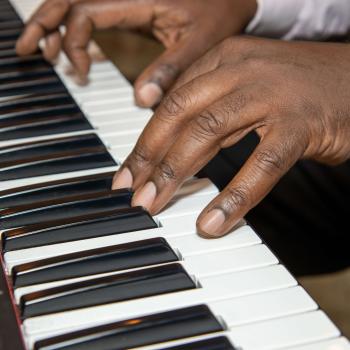
Facilitating Student-Led Seminar Discussions with <em>The Piano Lesson</em>
Grades
9 - 12
|
Lesson Plan
|
Standard Lesson
Facilitating Student-Led Seminar Discussions with The Piano Lesson
August Wilson's play The Piano Lesson invites students to ask a number of questions—big and small. Students learn how to create effective discussion questions and then put them to use in student-led discussions.
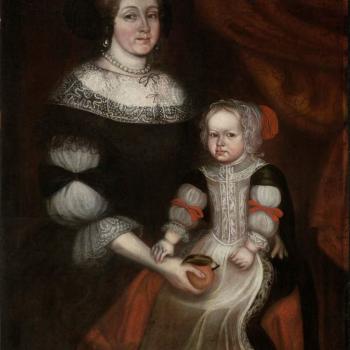
An Exploration of <em>The Crucible</em> through Seventeenth-Century Portraits
Grades
9 - 12
|
Lesson Plan
|
Standard Lesson
An Exploration of The Crucible through Seventeenth-Century Portraits
In this lesson, students incorporate analyses of characters from The Crucible with examinations of original seventeenth-century portraits of Puritans to create a visual portrait of the character. The project culminates in a "Portrait Gallery Walk" where students present and defend their artwork.
Choose, Select, Opt, or Settle: Exploring Word Choice in Poetry
Grades
9 - 12
|
Lesson Plan
Choose, Select, Opt, or Settle: Exploring Word Choice in Poetry
Students investigate the effects of word choice in Robert Frost's "Choose Something Like a Star" to construct a more sophisticated understanding of speaker, subject, and tone.

Tragic Love: Introducing Shakespeare's <em>Romeo and Juliet</em>
Grades
9 - 12
|
Lesson Plan
|
Standard Lesson
Tragic Love: Introducing Shakespeare's Romeo and Juliet

This lesson introduces students to William Shakespeare's Romeo and Juliet by having them examine the ideas of tragedy and tragic love by connecting the story to their own lives.
Speaking Poetry: Exploring Sonic Patterns Through Performance
Grades
9 - 12
|
Lesson Plan
|
Standard Lesson
Speaking Poetry: Exploring Sonic Patterns Through Performance

Using their voices as interpretive instruments, students gain a deeper appreciation of the art of poetry as they prepare a recitation of the frequently anthologized poem "Those Winter Sundays."
Sonic Patterns: Exploring Poetic Techniques Through Close Reading
Grades
9 - 12
|
Lesson Plan
|
Standard Lesson
Sonic Patterns: Exploring Poetic Techniques Through Close Reading

Students develop close reading skills connecting sound with sense in the poem "Those Winter Sundays," and write an original text that reflects their new learning.
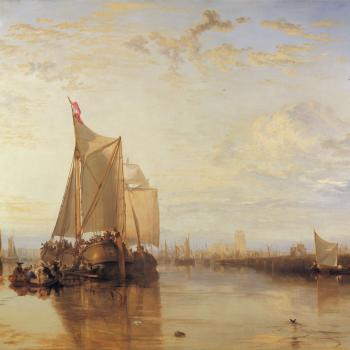
An Exploration of Romanticism Through Art and Poetry
Grades
9 - 12
|
Lesson Plan
|
Unit
An Exploration of Romanticism Through Art and Poetry

Students use art and poetry to explore and understand major characteristics of the Romantic period.
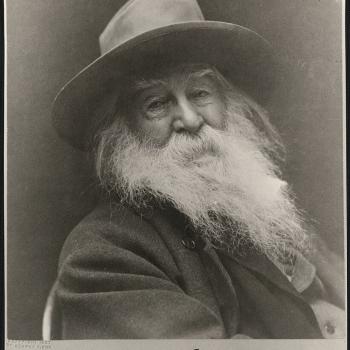
Walt Whitman as a Model Poet: "I Hear My School Singing"
Grades
9 - 12
|
Lesson Plan
|
Standard Lesson
Walt Whitman as a Model Poet: "I Hear My School Singing"
Students first analyze Walt Whitman's "I Hear America Singing," then use Whitman's poem as a model as they create their own list poems.

The ABCs of Poetry
Grades
9 - 12
|
Lesson Plan
|
Minilesson
The ABCs of Poetry
Students examine a letter of the alphabet from all angles, creating image pools of original metaphors that they then turn into poems.
Analyzing Character in <em>Hamlet</em> through Epitaphs
Grades
9 - 12
|
Lesson Plan
|
Standard Lesson
Analyzing Character in Hamlet through Epitaphs

Students create epitaphs for characters from a tragedy, such as Hamlet.

A Poem of Possibilities: Thinking about the Future
Grades
11 - 12
|
Lesson Plan
|
Standard Lesson
A Poem of Possibilities: Thinking about the Future
After reading John Updike's "Ex-Basketball Player," students write poems describing themselves five years in the future. The teacher takes the poems and mails them to students in five years.
Onomatopoeia: A Figurative Language Minilesson
Grades
9 - 12
|
Lesson Plan
|
Minilesson
Onomatopoeia: A Figurative Language Minilesson
Clang, clash, or tinkle? Students explore the use of onomatopoeia in Edgar Allan Poe's "The Bells" before choosing their own sound words in response to specific sounds.
Writing about Writing: An Extended Metaphor Assignment
Grades
9 - 12
|
Lesson Plan
|
Standard Lesson
Writing about Writing: An Extended Metaphor Assignment
After discussing the poem "The Writer" by Richard Wilbur, students analyze their own writing habits and create an extended metaphor describing themselves as writers.
Audio Broadcasts and Podcasts: Oral Storytelling and Dramatization
Grades
9 - 12
|
Lesson Plan
|
Unit
Audio Broadcasts and Podcasts: Oral Storytelling and Dramatization

After exploring Orson Welles' 1938 broadcast of H. G. Wells' War of the Worlds, students create their own audio dramatization of a text they have read.
Grades
9 - 12
|
Lesson Plan
|
Minilesson
You're the Top! Pop Culture Then and Now
Students analyze the lyrics to Cole Porter's "You're the Top!" and then update them to include current "tops" in pop culture.
Put That on the List: Independently Writing a Catalog Poem
Grades
9 - 12
|
Lesson Plan
|
Standard Lesson
Put That on the List: Independently Writing a Catalog Poem
In this follow-up to writing collaborative catalog poems, students write individual catalog poems about what really matters in their lives, based on Carver's poem "The Car."
Put That on the List: Collaboratively Writing a Catalog Poem
Grades
9 - 12
|
Lesson Plan
|
Standard Lesson
Put That on the List: Collaboratively Writing a Catalog Poem
Using the structure of a list poem, students combine creative expression with poetic techniques and language exploration in order to write group poems about what really matters in their lives.
Star-Crossed Lovers Online: <em>Romeo and Juliet</em> for a Digital Age
Grades
9 - 12
|
Lesson Plan
|
Standard Lesson
Star-Crossed Lovers Online: Romeo and Juliet for a Digital Age
Explore the modern significance of an older text, such as Shakespeare's Romeo and Juliet, by asking students to create their own modern interpretation of specific events from the drama.

Literary Parodies: Exploring a Writer's Style through Imitation
Grades
9 - 12
|
Lesson Plan
|
Standard Lesson
Literary Parodies: Exploring a Writer's Style through Imitation
This lesson asks students to analyze the features of a poet's work then create their own poems based on the original model.
Grades
9 - 12
|
Lesson Plan
|
Standard Lesson
Discovering Traditional Sonnet Forms

Students read sonnets, charting the poems' characteristics and using their observations to deduce traditional sonnet forms. They then write original sonnets, using a poem they have analyzed as a model.

Pagination

  • Page 1
  • Page 2
  • Page 3
  • Page 4
  • Page 5
  • Page 6
  • Page 7
  • Next page ››
  • Last page Last »

Explore Resources by Grade

  • KindergartenK
  • 1-2
  • 3-4
  • 5-6
  • 7-8
  • 9-10
  • 11-12

RWT-logo

Powered By NCTE

Footer 1 Menu

  • About
  • Classroom Resources
  • Professional Development
  • Collections
  • Contact Us

Footer 2 Menu

  • National Council of Teachers of English
  • Contribute to RWT
  • FAQs
  • Join NCTE

Footer 3 Menu

  • Legal Notices
  • Privacy Policy
  • Promotional Materials
  • Site Demonstrations

Want to stay in touch with RWT and NCTE? Sign up here!

  • Facebook
  • Twitter
  • Instagram
  • Pinterest
  • YouTube

© NCTE 2026. All rights reserved