ReadWriteThink - Powered by NCTE
  • About
  • Classroom Resources
    • Lesson Plans
    • Teaching Comics
    • Teaching With Primary Resources
    • Calendar
    • Printouts
    • Student Interactives
  • Collections
    • Assessment
    • Authors
    • Booklists
    • Media Literacy
    • Poetry
    • Primary Sources
    • Writing
  • Professional Development
    • Strategy Guides
    • Professional Library
    • Meetings & Events
  • Join NCTE
  • Contact Us
  • About
  • Classroom Resources
    • Lesson Plans
    • Teaching Comics
    • Teaching With Primary Resources
    • Calendar
    • Printouts
    • Student Interactives
  • Collections
    • Assessment
    • Authors
    • Booklists
    • Media Literacy
    • Poetry
    • Primary Sources
    • Writing
  • Professional Development
    • Strategy Guides
    • Professional Library
    • Meetings & Events
  • Join NCTE
  • Contact Us
  • Facebook
  • Twitter
  • Instagram
  • Pinterest
  • YouTube

Breadcrumb

  1. Home

Type

  • Classroom Resources
  • Professional Development

Grades

  • 1 (120)
  • 2 (128)
  • 3 (202)
  • 4 (207)
  • 5 (226)
  • 6 (266)
  • 7 (269)
  • 8 (269)
  • 9 (247)
  • 10 (245)
  • 11 (243)
  • 12 (242)
  • K (101)

Learning Objectives

  • (-) Comprehension (508)
  • (-) Vocabulary (191)
  • collaboration (458)
  • critical thinking (649)
  • digital literacy (154)
  • Grammar (57)
  • inquiry / research (350)
  • listening (182)
  • literary analysis (367)
  • Media literacy (205)
  • metacognition (302)
  • multicultural awareness (113)
  • multimodal literacy (260)
  • oral communication (224)
  • phonological awareness (61)
  • print awareness (89)
  • reading fluency (67)
  • reading genres (290)
  • Spelling (51)
  • text structure / story structure (242)
  • writing genres (382)
  • writing process (421)

Topics

  • arts
  • careers
  • community
  • drama
  • ELL
  • Family
  • fiction
  • Mathematics
  • Mobile Learning
  • nonfiction
  • poetry
  • science
  • seasons / holidays
  • social action
  • social studies / history
  • Sports
  • STEM
Traveling the Road to Freedom Through Research and Historical Fiction
Grades
6 - 8
|
Lesson Plan
|
Unit
Traveling the Road to Freedom Through Research and Historical Fiction
Students learn how to walk a mile in someone else's shoes by reading historical fiction about the Underground Railroad.
Dancing Minds and Shouting Smiles: Teaching Personification Through Poetry
Grades
3 - 5
|
Lesson Plan
|
Standard Lesson
Dancing Minds and Shouting Smiles: Teaching Personification Through Poetry
Students learn about personification by reading and discussing poems and then brainstorm nouns and verbs to create personification in their own poems.
Robert Frost Prompts the Poet in <em>You</em>
Grades
6 - 8
|
Lesson Plan
|
Standard Lesson
Robert Frost Prompts the Poet in You
Students will find their inner poet laureate in this lesson that involves writing a poem in the style of Robert Frost.
Inferring How and Why Characters Change
Grades
3 - 5
|
Lesson Plan
|
Standard Lesson
Inferring How and Why Characters Change
Students will really get into character when they read short stories and analyze the how's and why's of characters' behaviors.

A Directed Listening-Thinking Activity for "The Tell-Tale Heart"
Grades
6 - 8
|
Lesson Plan
|
Standard Lesson
A Directed Listening-Thinking Activity for "The Tell-Tale Heart"
What's that sound? Students participate in a Directed Listening–Thinking Activity (DLTA) using "The Tell-Tale Heart," make predictions, and respond in the form of an acrostic poem or comic strip.
alligator
Grades
3 - 5
|
Lesson Plan
|
Standard Lesson
Alliteration All Around

Students learn about alliteration, and then practice using alliteration in acrostic poems, tongue twisters, alphabet books, and number books.
Learning About Word Families with <em>Click, Clack, Moo</em>
Grades
K - 2
|
Lesson Plan
|
Standard Lesson
Learning About Word Families with Click, Clack, Moo

Using text from Doreen Cronin's Click, Clack, Moo: Cows That Type as shared readings, first-grade students learn word families and how to decode new words in a word family.
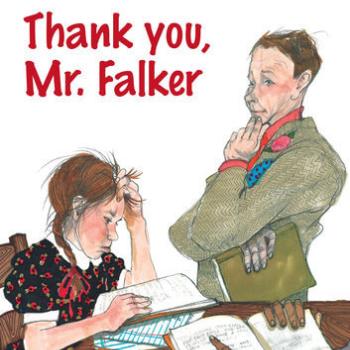
Digging Deeper: Developing Comprehension Using <em>Thank You, Mr. Falker</em>
Grades
K - 4
|
Lesson Plan
|
Standard Lesson
Digging Deeper: Developing Comprehension Using Thank You, Mr. Falker

A read-aloud of Patricia Polacco's Thank You, Mr. Falker helps promote deeper comprehension through questioning to achieve personal connections and discussions of character and theme.
All About Alliteration: Responding to Literature Through a Poetry Link
Grades
3 - 5
|
Lesson Plan
|
Standard Lesson
All About Alliteration: Responding to Literature Through a Poetry Link

Studied students stupefy! Students learn about alliteration by listening to an alliterative read-aloud and apply the knowledge they gain to the creation of their own poem and illustration.

The Pros and Cons of Discussion
Grades
9 - 12
|
Lesson Plan
|
Standard Lesson
The Pros and Cons of Discussion
Students use a Discussion Web to engage in meaningful discussion of the question, "Are people equal?"
Seeing Integration From Different Viewpoints
Grades
6 - 8
|
Lesson Plan
|
Standard Lesson
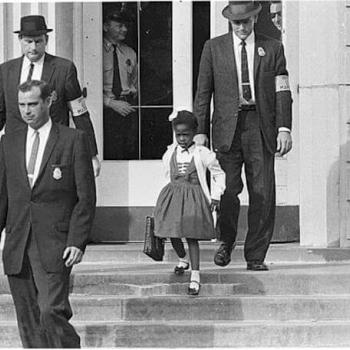
Seeing Integration From Different Viewpoints
What does the world look like through someone else's eyes? Guide students in using colorful paper glasses to examine a story of school desegregation from multiple perspectives.

Integrating Language Arts: <em>If You Give a Mouse a Cookie</em>
Grades
K - 2
|
Lesson Plan
Integrating Language Arts: If You Give a Mouse a Cookie
This lesson integrates reading, writing, listening, and speaking to boost students' comprehension skills. Students explore Laura Joffe Numeroff 's If You Give a Mouse a Cookie using a variety of techniques, beginning with a picture walk and ending with the creation and publication of their own versions of the text.

Building Classroom Community Through the Exploration of Acrostic Poetry
Grades
3 - 5
|
Lesson Plan
|
Standard Lesson
Building Classroom Community Through the Exploration of Acrostic Poetry

What do your students think about each other? Find out as you teach them the concepts of acrostic poems and challenge them to write an uplifting acrostic about a classmate.

Word Study with <em>Henry and Mudge</em>
Grades
K - 3
|
Lesson Plan
|
Standard Lesson
Word Study with Henry and Mudge

Henry and Mudge is used in this lesson to build students' word recognition through rereading, high-frequency word banks, word studies, and writing.
Grades
6 - 8
|
Lesson Plan
|
Unit
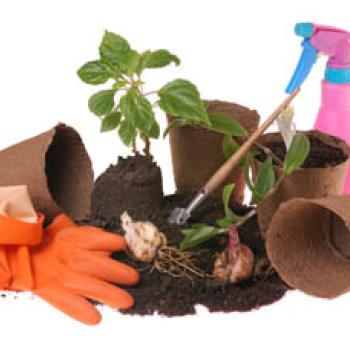
Let It Grow: An Inquiry-Based Organic Gardening Research Project
Students learn about organic gardening by developing their own research questions, conducting research, gardening at their school, creating signs about their plants, and presenting their research to the class.

Review Redux: Introducing Literary Criticism Through Reception Moments
Grades
9 - 12
|
Lesson Plan
|
Standard Lesson
Review Redux: Introducing Literary Criticism Through Reception Moments
Literature takes on a life of its own as students take a hands-on approach to exploring A Raisin in the Sun for cultural and historical context.

Theme Poems: Writing Extraordinary Poems About Ordinary Objects
Grades
3 - 5
|
Lesson Plan
|
Standard Lesson
Theme Poems: Writing Extraordinary Poems About Ordinary Objects

Students select a familiar object online, build a bank of words related to the object, and write theme poems that are printed and displayed in class.
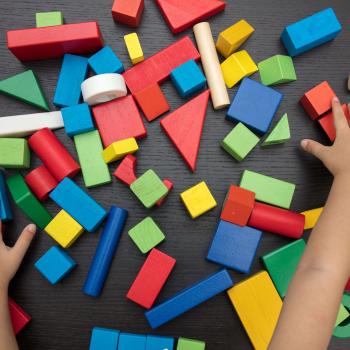
Teaching Shapes Using Read-Alouds, Visualization, and Sketch to Stretch
Grades
K - 2
|
Lesson Plan
|
Standard Lesson
Teaching Shapes Using Read-Alouds, Visualization, and Sketch to Stretch
Visual clues in winter-themed books used in this lesson encourage students to make real-world math connections.

Grades
6 - 8
|
Lesson Plan
|
Standard Lesson
Solving Word Meanings: Engaging Strategies for Vocabulary Development
Vocabulary gumshoes use context clues and semantics to determine the meaning of unfamiliar words.
Grades
6 - 8
|
Lesson Plan
|
Standard Lesson
Collaborating, Writing, Linking: Using Wikis to Tell Stories Online
Students become online authors in this lesson in which they write and post a short story using wiki technology.

Pagination

  • First page « First
  • Previous page ‹‹
  • …
  • Page 17
  • Page 18
  • Page 19
  • Page 20
  • Page 21
  • Page 22
  • Page 23
  • Page 24
  • Page 25
  • …
  • Next page ››
  • Last page Last »

Explore Resources by Grade

  • KindergartenK
  • 1-2
  • 3-4
  • 5-6
  • 7-8
  • 9-10
  • 11-12

RWT-logo

Powered By NCTE

Footer 1 Menu

  • About
  • Classroom Resources
  • Professional Development
  • Collections
  • Contact Us

Footer 2 Menu

  • National Council of Teachers of English
  • Contribute to RWT
  • FAQs
  • Join NCTE

Footer 3 Menu

  • Legal Notices
  • Privacy Policy
  • Promotional Materials
  • Site Demonstrations

Want to stay in touch with RWT and NCTE? Sign up here!

  • Facebook
  • Twitter
  • Instagram
  • Pinterest
  • YouTube

© NCTE 2026. All rights reserved