The rhyme and reason behind this lesson is that students will need to develop important reading skills to increase their reading fluency.

Shared Poetry Reading: Teaching Print Concepts, Rhyme, and Vocabulary

Nature Reflections: Interactive Language Practice for English-Language Learners
Students whose first language is not English reflect on nature through readings, a visit to a green area, and bookmaking using the writing process and peer feedback.
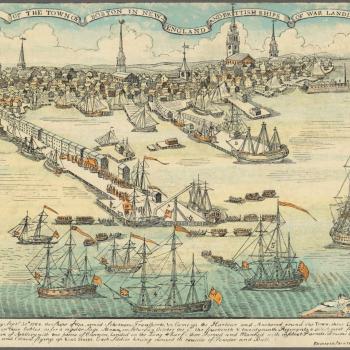
Learning About Research and Writing Using the American Revolution
Students across the board will get a kick out of researching a historical figure from the American Revolution to create an acrostic poem.

Delicious, Tasty, Yummy: Enriching Writing with Adjectives and Synonyms
Students thoroughly explore identifying synonyms and adjectives before using them to add variety and interest to their own writing.

Buzz! Whiz! Bang! Using Comic Books to Teach Onomatopoeia
This lesson is sure to sizzle, not fizzle, as students use comic strips to find onomatopoetic words, develop a vocabulary list from the words, and discuss why writers use onomatopoeia.

Traveling the Road to Freedom Through Research and Historical Fiction
Students learn how to walk a mile in someone else's shoes by reading historical fiction about the Underground Railroad.

Dancing Minds and Shouting Smiles: Teaching Personification Through Poetry
Students learn about personification by reading and discussing poems and then brainstorm nouns and verbs to create personification in their own poems.
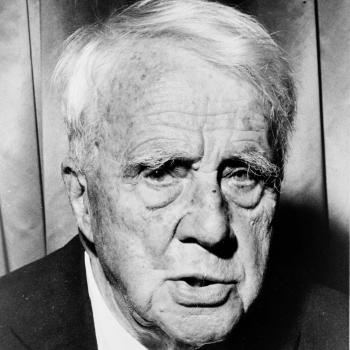
Robert Frost Prompts the Poet in You
Students will find their inner poet laureate in this lesson that involves writing a poem in the style of Robert Frost.

Inferring How and Why Characters Change
Students will really get into character when they read short stories and analyze the how's and why's of characters' behaviors.

A Directed Listening-Thinking Activity for "The Tell-Tale Heart"
What's that sound? Students participate in a Directed ListeningThinking Activity (DLTA) using "The Tell-Tale Heart," make predictions, and respond in the form of an acrostic poem or comic strip.
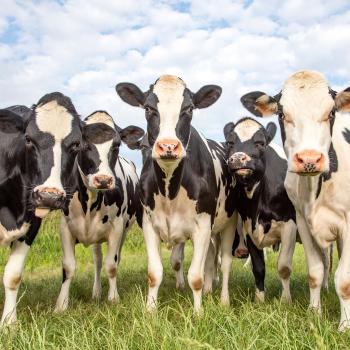
Learning About Word Families with Click, Clack, Moo
Using text from Doreen Cronin's Click, Clack, Moo: Cows That Type as shared readings, first-grade students learn word families and how to decode new words in a word family.
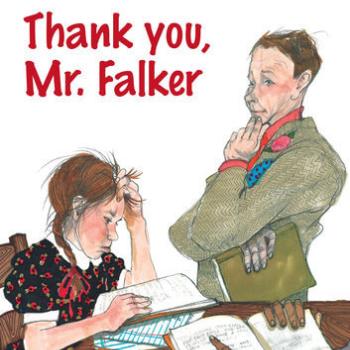
Digging Deeper: Developing Comprehension Using Thank You, Mr. Falker
A read-aloud of Patricia Polacco's Thank You, Mr. Falker helps promote deeper comprehension through questioning to achieve personal connections and discussions of character and theme.

The Pros and Cons of Discussion
Students use a Discussion Web to engage in meaningful discussion of the question, "Are people equal?"
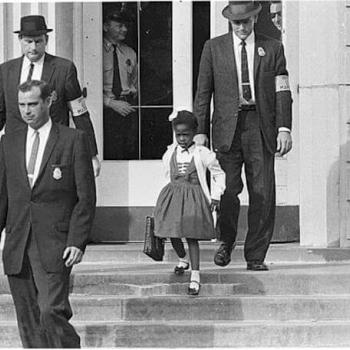
Seeing Integration From Different Viewpoints
What does the world look like through someone else's eyes? Guide students in using colorful paper glasses to examine a story of school desegregation from multiple perspectives.

Integrating Language Arts: If You Give a Mouse a Cookie
This lesson integrates reading, writing, listening, and speaking to boost students' comprehension skills. Students explore Laura Joffe Numeroff 's If You Give a Mouse a Cookie using a variety of techniques, beginning with a picture walk and ending with the creation and publication of their own versions of the text.

Word Study with Henry and Mudge
Henry and Mudge is used in this lesson to build students' word recognition through rereading, high-frequency word banks, word studies, and writing.
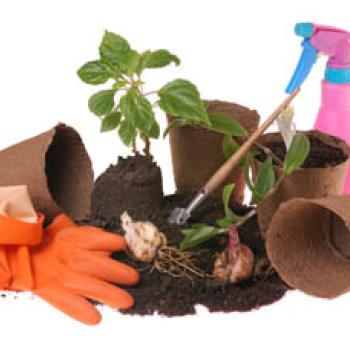
Let It Grow: An Inquiry-Based Organic Gardening Research Project
Students learn about organic gardening by developing their own research questions, conducting research, gardening at their school, creating signs about their plants, and presenting their research to the class.

Review Redux: Introducing Literary Criticism Through Reception Moments
Literature takes on a life of its own as students take a hands-on approach to exploring A Raisin in the Sun for cultural and historical context.

Teaching Shapes Using Read-Alouds, Visualization, and Sketch to Stretch
Visual clues in winter-themed books used in this lesson encourage students to make real-world math connections.

Solving Word Meanings: Engaging Strategies for Vocabulary Development
Vocabulary gumshoes use context clues and semantics to determine the meaning of unfamiliar words.