As part of their study of Richard Wright's Black Boy, students research and reflect on the current black-white racial divide in America. By examining the work of literature in the context of contemporary events, students will deepen their understanding of the work and of what it means to be an American today.

Examining the Legacy of the American Civil Rights Era
Songs of Our Lives: Using Lyrics to Write Stories
Students learn about the life and music of John Lennon, write a short story from their lives integrating lyrics from some of their favorite songs, and create a class book of stories.
Cut up, Cover up, and Come Away with Ideas for Writing!
Students rework their forgotten/abandoned drafts by cutting and covering up selected words. By creatively manipulating text, they explore portal writing, a strategy for envisioning a new story or story direction.

The Mysteries of Harris Burdick: Using Illustrations to Guide Writing
Students use illustrations from The Mysteries of Harris Burdick as a guide to write mysteries
and then present their stories to the class for students to discuss to which illustration each
story corresponds.
Color My World: Expanding Meaning Potential through Media
Using different writing/drawing materials (e.g., markers, color pencils, pastels, etc.), students learn how to communicate different moods and/or feelings to support their written ideas and how authors do the same through their work.
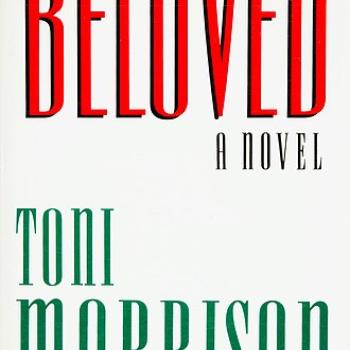
Narrative Structure and Perspectives in Toni Morrison's Beloved
Using Beloved as a model of a work with multiple narrative perspectives, students use a visualizing activity and close reading to consider ways in which subjective values shape contradictory representations.

"America the Beautiful": Using Music and Art to Develop Vocabulary
Students engage in a rich study of vocabulary words from the song "America the Beautiful," using music and art.

Moving Toward Acceptance Through Picture Books and Two-Voice Texts
Students read and discuss literature about intolerance and diversity. They work with a partner to write two-voice poems that illustrate situations of intolerance at their school and suggest a step toward acceptance.
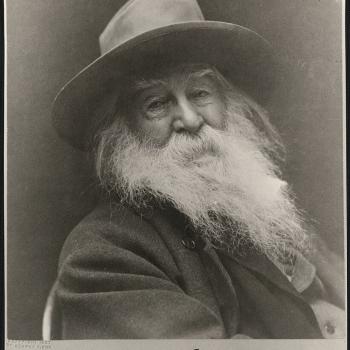
Walt Whitman as a Model Poet: "I Hear My School Singing"
Students first analyze Walt Whitman's "I Hear America Singing," then use Whitman's poem as a model as they create their own list poems.
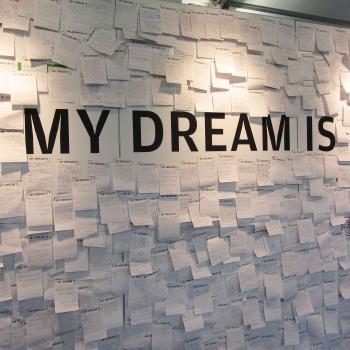
Entering History: Nikki Giovanni and Martin Luther King, Jr.
Nikki Giovanni's poem "The Funeral of Martin Luther King, Jr." is paired with Dr. King's "I Have a Dream" speech, taking students on a quest through time to the Civil Rights movement.

Exploring Language and Identity: Amy Tan's "Mother Tongue" and Beyond
Students explore the idea of "different Englishes" by reading Amy Tan's "Mother Tongue" and writing literacy narratives about their own use of different language for different audiences and purposes.

Comparing Fiction and Nonfiction with "Little Red Riding Hood Text" Sets
Students discuss and compare differing versions of "Little Red Riding Hood" and other tales about wolves in cumulative read-aloud sessions and text set explorations.

Investigating Names to Explore Personal History and Cultural Traditions
Students investigate the meanings and origins of their names in order to establish their own personal histories and to explore the cultural significance of naming traditions.
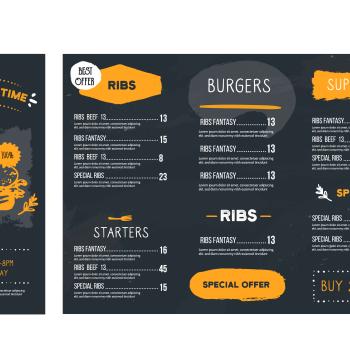
Cooking Up Descriptive Language: Designing Restaurant Menus
Students explore the menu genre by analyzing existing menus from local restaurants. They review adjectives and descriptive writing and then work in groups to create their own custom menus.
Heroes Are Made of This: Studying the Character of Heroes
Designed to explore the hero and the heroic in literature, this unit asks students to discuss their ideas of heroism and analyze heroes in literature.

Note Writing in the Primary Classroom
This lesson provides a wealth of ideas for using notes in the classroom to promote authentic writing among children.

Choosing the Best Verb: An Active and Passive Voice Minilesson
Students explore how active and passive voices are appropriate to different audiences. They examine online resources, and then draw conclusions about verb use, which they apply to their own writing.

Genre Study: A Collaborative Approach
Students explore multiple genres through genre studies. They record evidence of genre characteristics on bookmarks as they read, and finish by giving a book review for their classmates.
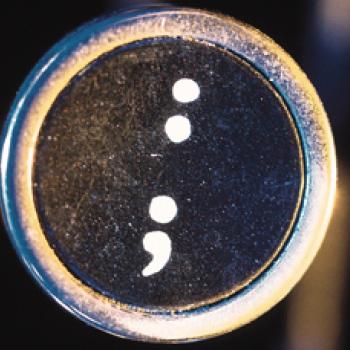
Every Punctuation Mark Matters: A Minilesson on Semicolons
Students analyze stylistic choices and grammar use in authentic writing, focusing on the use of the semicolon in Martin Luther King Jr.'s "Letter from Birmingham Jail."
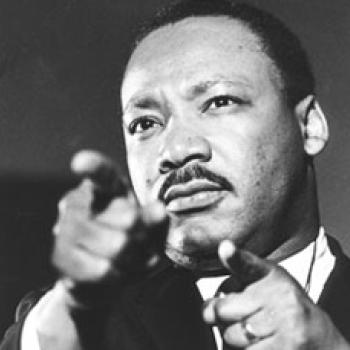
Living the Dream: 100 Acts of Kindness
This lesson provides the "action piece" for any study of Dr. Martin Luther King, Jr. In this project, students participate in Dr. King's dream by doing 100 acts of kindness.