ReadWriteThink - Powered by NCTE
  • About
  • Classroom Resources
    • Lesson Plans
    • Teaching Comics
    • Teaching With Primary Resources
    • Calendar
    • Printouts
    • Student Interactives
  • Collections
    • Assessment
    • Authors
    • Booklists
    • Media Literacy
    • Poetry
    • Primary Sources
    • Writing
  • Professional Development
    • Strategy Guides
    • Professional Library
    • Meetings & Events
  • Join NCTE
  • Contact Us
  • About
  • Classroom Resources
    • Lesson Plans
    • Teaching Comics
    • Teaching With Primary Resources
    • Calendar
    • Printouts
    • Student Interactives
  • Collections
    • Assessment
    • Authors
    • Booklists
    • Media Literacy
    • Poetry
    • Primary Sources
    • Writing
  • Professional Development
    • Strategy Guides
    • Professional Library
    • Meetings & Events
  • Join NCTE
  • Contact Us
  • Facebook
  • Twitter
  • Instagram
  • Pinterest
  • YouTube

Breadcrumb

  1. Home

Type

  • Classroom Resources
  • Professional Development

Grades

  • 1 (28)
  • 2 (34)
  • 3 (54)
  • 4 (57)
  • 5 (69)
  • 6 (98)
  • 7 (105)
  • 8 (109)
  • 9 (98)
  • 10 (95)
  • 11 (93)
  • 12 (93)
  • K (27)

Learning Objectives

  • (-) digital literacy (154)
  • (-) Grammar (57)
  • collaboration (458)
  • Comprehension (508)
  • critical thinking (649)
  • inquiry / research (350)
  • listening (182)
  • literary analysis (367)
  • Media literacy (205)
  • metacognition (302)
  • multicultural awareness (113)
  • multimodal literacy (260)
  • oral communication (224)
  • phonological awareness (61)
  • print awareness (89)
  • reading fluency (67)
  • reading genres (290)
  • Spelling (51)
  • text structure / story structure (242)
  • Vocabulary (191)
  • writing genres (382)
  • writing process (421)

Topics

  • arts
  • careers
  • community
  • drama
  • ELL
  • Family
  • fiction
  • Mathematics
  • Mobile Learning
  • nonfiction
  • poetry
  • science
  • seasons / holidays
  • social action
  • social studies / history
  • Sports
  • STEM
To Grammar or Not to Grammar: That Is Not the Question!
Grades
5 - 9
|
Professional Library
|
Journal
To Grammar or Not to Grammar: That Is Not the Question!
Argues that, taught in the context of writing, grammar can enhance and improve students' writing. Offers classroom examples showing how: good preparation for writing fosters good grammar and detail; students can use grammatical and syntactic constructions used by professional authors as models for their own writing; and how to help students learn revision strategies at the sentence and paragraph level.
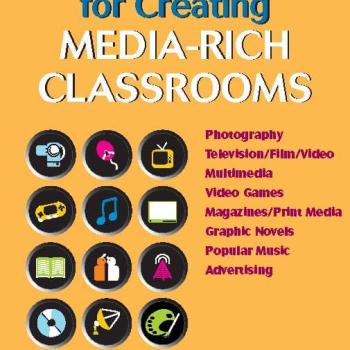
Lesson Plans for Creating Media-Rich Classrooms
Grades
7 - 12
|
Professional Library
|
Book
Lesson Plans for Creating Media-Rich Classrooms
This volume offers a collection of media literacy lessons for the secondary English classroom, including a CD of student handouts, teacher resources, and sample media files.
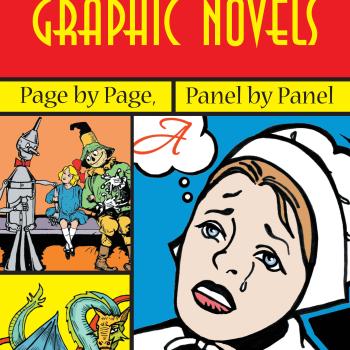
Building Literacy Connections with Graphic Novels: Page by Page, Panel by Panel
Grades
7 - 12
|
Professional Library
|
Book
Building Literacy Connections with Graphic Novels: Page by Page, Panel by Panel
This collection of essays by classroom teachers demonstrates how to pair graphic novels with classic literature (including both canonical and YA lit).
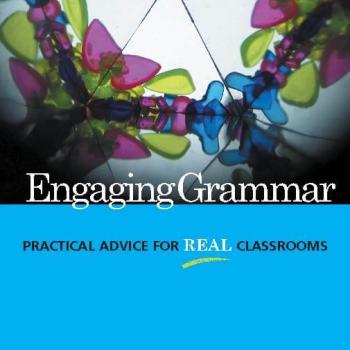
Engaging Grammar: Practical Advice for Real Classrooms
Grades
7 - 12
|
Professional Library
|
Book
Engaging Grammar: Practical Advice for Real Classrooms
Amy Benjamin challenges the idea of "skill and drill" grammar instruction, and Tom Oliva provides a teacher's journal chronicling how the concepts in this book can work in a real classroom.
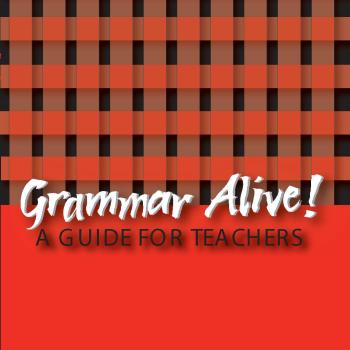
Grammar Alive!: A Guide for Teachers
Grades
K - 12
|
Professional Library
|
Book
Grammar Alive!: A Guide for Teachers
NCTE's Assembly for the Teaching of English Grammar provides this much-needed resource for teachers who wonder what to do about grammar—how to teach it, how to apply it, how to learn what they themselves were never taught.
6 - 12

Questions All Around: A Collection of Questions for Graphic Novel Stories from Great Immigrants, Great Americans

Teaching Comics
6 - 12

The Value that Immigrants Bring to Our Community: A Socratic Seminar

Teaching Comics
And I Quote: A Punctuation Proofreading Minilesson
Grades
9 - 12
|
Lesson Plan
|
Minilesson
And I Quote: A Punctuation Proofreading Minilesson
Students review the basic conventions for using quotations from literature or references from a research project, focusing on accurate punctuation and page layout, then apply the conventions to their texts.

Weekly Writer's Blogs: Building a Reflective Community of Support
Grades
9 - 12
|
Lesson Plan
|
Recurring Lesson
Weekly Writer's Blogs: Building a Reflective Community of Support
Students explore the conventions of blog writing while using it to self-reflect on their writing and communicate with classmates about each other's reflections.

Grades
6 - 8
|
Lesson Plan
|
Standard Lesson
Polishing Preposition Skills through Poetry and Publication

Students deepen and refine their understanding of prepositions by reading Ruth Heller's Behind the Mask. They write preposition poetry and create a study guide using an online tool.

Grades
9 - 12
|
Lesson Plan
|
Standard Lesson
Analyzing Grammar Pet Peeves

By analyzing Dear Abby's "rant" about bad grammar usage, students become aware that attitudes about race, social class, moral and ethical character, and "proper" language use are intertwined.
Students as Creators: Exploring Multimedia
Grades
6 - 8
|
Lesson Plan
|
Unit
Students as Creators: Exploring Multimedia
Students are introduced to the genre of multimedia presentations through a review and analysis of online presentations. They then apply what they have learned to create their own multimedia presentations.
Students as Creators: Exploring Copyright
Grades
6 - 8
|
Lesson Plan
|
Standard Lesson
Students as Creators: Exploring Copyright
This lesson gives students the tools they need to consider the ethical issues surrounding use and ownership of copyrighted materials.

Technology and Copyright Law: A "Futurespective"
Grades
6 - 8
|
Lesson Plan
|
Standard Lesson
Technology and Copyright Law: A "Futurespective"
Students research and report on instances of how copyright laws have adapted to encompass new technologies. They write articles predicting copyright issues that may arise with new and future technologies.

Copyright Law: From Digital Reprints to Downloads
Grades
6 - 8
|
Lesson Plan
|
Standard Lesson
Copyright Law: From Digital Reprints to Downloads
Students investigate how and why copyright law has changed over time, and apply this information to recent copyright issues, creating persuasive arguments based on the perspective of a particular group.
Gaining Background for the Graphic Novel <em>Persepolis</em>: A WebQuest on Iran
Grades
9 - 12
|
Lesson Plan
|
Standard Lesson
Gaining Background for the Graphic Novel Persepolis: A WebQuest on Iran

To prepare students for reading the graphic novel Persepolis, this lesson uses a WebQuest to focus students' research on finding reliable information about Iran before and during the Islamic Revolution.
Twenty-First Century Informational Literacy: Integrating Research Techniques and Technology
Grades
6 - 12
|
Lesson Plan
|
Unit
Twenty-First Century Informational Literacy: Integrating Research Techniques and Technology

Students develop their reading, writing, research, and technology skills using graphic novels. As a final activity, students create their own graphic novels using comic software.

Grades
8 - 12
|
Lesson Plan
|
Standard Lesson
Analyzing and Podcasting About Images of Oscar Wilde
Students analyze images of Oscar Wilde used to publicize his 1882 American lecture tour. They then compare a caricature to another researched image, sharing this analysis in a podcast.

Website Planning in a Bilingual Classroom
Grades
3 - 5
|
Lesson Plan
|
Standard Lesson
Website Planning in a Bilingual Classroom
Students complete a family survey and plan a website to share the responses, increasing their understanding and appreciation of their own families and cultures, and their classmates as well.

Using the Internet to Facilitate Improved Reading Comprehension
Grades
3 - 5
|
Lesson Plan
|
Minilesson
Using the Internet to Facilitate Improved Reading Comprehension
Could some common online activities actually improve reading comprehension? Understanding RSS feeds requires inferential thinking, as students use the summary to draw conclusions about the full content.

Pagination

  • First page « First
  • Previous page ‹‹
  • Page 1
  • Page 2
  • Page 3
  • Page 4
  • Page 5
  • Page 6
  • Page 7
  • Page 8
  • Page 9
  • …
  • Next page ››
  • Last page Last »

Explore Resources by Grade

  • KindergartenK
  • 1-2
  • 3-4
  • 5-6
  • 7-8
  • 9-10
  • 11-12

RWT-logo

Powered By NCTE

Footer 1 Menu

  • About
  • Classroom Resources
  • Professional Development
  • Collections
  • Contact Us

Footer 2 Menu

  • National Council of Teachers of English
  • Contribute to RWT
  • FAQs
  • Join NCTE

Footer 3 Menu

  • Legal Notices
  • Privacy Policy
  • Promotional Materials
  • Site Demonstrations

Want to stay in touch with RWT and NCTE? Sign up here!

  • Facebook
  • Twitter
  • Instagram
  • Pinterest
  • YouTube

© NCTE 2026. All rights reserved