ReadWriteThink - Powered by NCTE
  • About
  • Classroom Resources
    • Lesson Plans
    • Teaching Comics
    • Teaching With Primary Resources
    • Calendar
    • Printouts
    • Student Interactives
  • Collections
    • Assessment
    • Authors
    • Booklists
    • Media Literacy
    • Poetry
    • Primary Sources
    • Writing
  • Professional Development
    • Strategy Guides
    • Professional Library
    • Meetings & Events
  • Join NCTE
  • Contact Us
  • About
  • Classroom Resources
    • Lesson Plans
    • Teaching Comics
    • Teaching With Primary Resources
    • Calendar
    • Printouts
    • Student Interactives
  • Collections
    • Assessment
    • Authors
    • Booklists
    • Media Literacy
    • Poetry
    • Primary Sources
    • Writing
  • Professional Development
    • Strategy Guides
    • Professional Library
    • Meetings & Events
  • Join NCTE
  • Contact Us
  • Facebook
  • Twitter
  • Instagram
  • Pinterest
  • YouTube

Breadcrumb

  1. Home

Type

  • Classroom Resources
  • Professional Development

Grades

  • 1 (123)
  • 2 (131)
  • 3 (174)
  • 4 (175)
  • 5 (192)
  • 6 (208)
  • 7 (210)
  • 8 (214)
  • 9 (216)
  • 10 (213)
  • 11 (206)
  • 12 (206)
  • K (114)

Learning Objectives

  • (-) Vocabulary (191)
  • (-) writing process (421)
  • collaboration (458)
  • Comprehension (508)
  • critical thinking (649)
  • digital literacy (154)
  • Grammar (57)
  • inquiry / research (350)
  • listening (182)
  • literary analysis (367)
  • Media literacy (205)
  • metacognition (302)
  • multicultural awareness (113)
  • multimodal literacy (260)
  • oral communication (224)
  • phonological awareness (61)
  • print awareness (89)
  • reading fluency (67)
  • reading genres (290)
  • Spelling (51)
  • text structure / story structure (242)
  • writing genres (382)

Topics

  • arts
  • careers
  • community
  • drama
  • ELL
  • Family
  • fiction
  • Mathematics
  • Mobile Learning
  • nonfiction
  • poetry
  • science
  • seasons / holidays
  • social action
  • social studies / history
  • Sports
  • STEM
Phonics Through Literature: Learning About the Letter <em>M</em>
Grades
K - 1
|
Lesson Plan
|
Standard Lesson
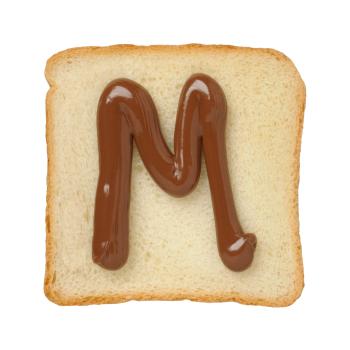
Phonics Through Literature: Learning About the Letter M

Students learn about phonics by focusing on the letter m and participating in an integrated array of activities, including reading, writing, mathematics, music, art, and technology.
E-pals Around the World
Grades
6 - 8
|
Lesson Plan
|
Standard Lesson
E-pals Around the World
With e-pals, students develop real-life writing and social experiences, learn the format of a friendly letter and parts of an e-mail message, and discover other cultures, languages, and geographic areas.

Heroes Around Us
Grades
6 - 8
|
Lesson Plan
|
Standard Lesson
Heroes Around Us
Students select, read about, and report on a hero and then identify how their hero matches certain criteria and characteristics. Hero reports are then compiled into a class book.
Acquiring New Vocabulary Through Book Discussion Groups
Grades
3 - 5
|
Lesson Plan
|
Recurring Lesson
Acquiring New Vocabulary Through Book Discussion Groups

This lesson employs direct instruction and small-group discussion to help students learn new vocabulary skills while reading Patricia Polacco's Pink and Say.
Poetry Portfolios: Using Poetry to Teach Reading
Grades
K - 2
|
Lesson Plan
|
Standard Lesson
Poetry Portfolios: Using Poetry to Teach Reading
Teach your students about sentence structure, rhyming words, sight words, vocabulary, and print concepts using a weekly poem.
Grades
K - 2
|
Lesson Plan
|
Minilesson
Word Wizards: Students Making Words
The Word Wizard activities in this lesson transform phonics from drudgery into delight! Students manipulate letters to make different words.
Using a Predictable Text to Teach High-Frequency Words
Grades
K - 2
|
Lesson Plan
|
Standard Lesson
Using a Predictable Text to Teach High-Frequency Words
After reading an engaging yet predictable text about a child looking for his cat, students use a similar format and high-frequency words to craft tales about their own lost pets.

Creative Writing Through Wordless Picture Books
Grades
6 - 8
|
Lesson Plan
|
Standard Lesson
Creative Writing Through Wordless Picture Books

Students are exposed to wordless picture books and begin developing story lines, both orally and in writing, using an online, interactive story map.
Multimedia Responses to Content Area Topics Using Fact-"Faction"-Fiction
Grades
3 - 5
|
Lesson Plan
|
Standard Lesson
Multimedia Responses to Content Area Topics Using Fact-"Faction"-Fiction

Students climb into the mind of a spider in this lesson that asks them to compose a spider diary using spider facts, fiction, and "faction"—fiction that sounds like fact.

Gingerbread Phonics
Grades
K - 2
|
Lesson Plan
|
Standard Lesson
Gingerbread Phonics
"Run, run, as fast as you can." Students use this refrain from The Gingerbread Man to learn letter-sound correspondence. Students use their new skills to write an online story.

Grades
6 - 8
|
Lesson Plan
|
Unit
The Big, Bad Wolf...Is This a Fact?
Reading is revamped in this lesson in which students use a multimedia approach to study the books by Seymour Simon.
Traveling Terrain: Comprehending Nonfiction Text on the Web
Grades
3 - 5
|
Lesson Plan
|
Standard Lesson
Traveling Terrain: Comprehending Nonfiction Text on the Web
Students locate specific information, identify text features of nonfiction text, and write to generalize information on related topics.
The Two Voices of the <em>ow</em> Spelling Pattern
Grades
3 - 5
|
Lesson Plan
|
Standard Lesson
The Two Voices of the ow Spelling Pattern
Variable vowels are the focus of this lesson; students use nursery rhymes and ow to study how vowels can change their sounds according to different spelling patterns.
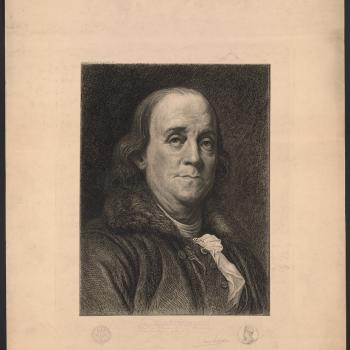
History Comes Alive: Developing Fluency and Comprehension Using Social Studies
Grades
2 - 5
|
Lesson Plan
|
Unit
History Comes Alive: Developing Fluency and Comprehension Using Social Studies
Let the power of imagination and inference serve as a "time machine" to bring Benjamin Franklin into the classroom! History and science come to life in a dialogue with Franklin the inventor, developed through lesson activities that incorporate research, imagination, writing, visual arts, and drama.
Protecting Our Precious Planet: Sharing the Message of Earth Day
Grades
K - 2
|
Lesson Plan
|
Standard Lesson
Protecting Our Precious Planet: Sharing the Message of Earth Day
Students discover that they can make a world of difference when they participate in the online Earth Day bag program.
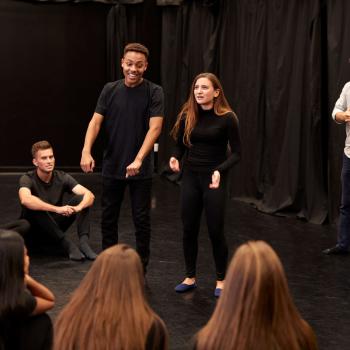
Pairing Fiction With Poetry and Performance
Grades
9 - 12
|
Lesson Plan
|
Unit
Pairing Fiction With Poetry and Performance
Make connections across genres and across cultures to engage students in the study of literary voice and themes. Comprehension skills and vocabulary also come into play, especially for English language learners, as students read a novel and related poems, then write and perform original poems related to the novel.

A Schema-Building Study With Patricia Polacco
Grades
2 - 5
|
Lesson Plan
|
Standard Lesson
A Schema-Building Study With Patricia Polacco

Students use the Semantic Impressions and Possible Sentences strategies to write about Patricia Polacco's books Chicken Sunday and Rechenka's Egg, complete a character study, and write using a WebQuest.

Once They're Hooked, Reel Them In: Writing Good Endings
Grades
3 - 5
|
Lesson Plan
|
Standard Lesson
Once They're Hooked, Reel Them In: Writing Good Endings
It's important to "hook" readers at a story's beginning, but it's equally important to keep them interested. In this lesson, students learn to write effective conclusions to their own stories.
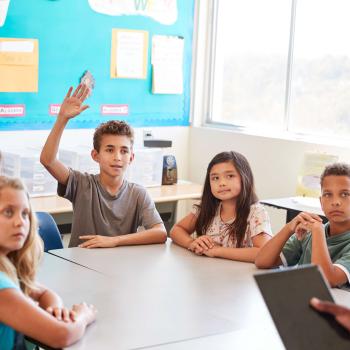
Building a Learning Community: Crafting Rules for the Classroom
Grades
3 - 5
|
Lesson Plan
|
Standard Lesson
Building a Learning Community: Crafting Rules for the Classroom
Students will learn to mind their ps and qs in this lesson on etiquette and appropriate behavior in the classroom.

Digital Reflections: Expressing Understanding of Content Through Photography
Grades
6 - 8
|
Lesson Plan
|
Unit
Digital Reflections: Expressing Understanding of Content Through Photography
Striking images can leave lasting impressions on viewers. In this lesson, students make text–self–world connections to a nature- or science-related topic as they collaboratively design a multimedia presentation.

Pagination

  • First page « First
  • Previous page ‹‹
  • …
  • Page 20
  • Page 21
  • Page 22
  • Page 23
  • Page 24
  • Page 25
  • Page 26
  • Page 27
  • Page 28
  • Next page ››
  • Last page Last »

Explore Resources by Grade

  • KindergartenK
  • 1-2
  • 3-4
  • 5-6
  • 7-8
  • 9-10
  • 11-12

RWT-logo

Powered By NCTE

Footer 1 Menu

  • About
  • Classroom Resources
  • Professional Development
  • Collections
  • Contact Us

Footer 2 Menu

  • National Council of Teachers of English
  • Contribute to RWT
  • FAQs
  • Join NCTE

Footer 3 Menu

  • Legal Notices
  • Privacy Policy
  • Promotional Materials
  • Site Demonstrations

Want to stay in touch with RWT and NCTE? Sign up here!

  • Facebook
  • Twitter
  • Instagram
  • Pinterest
  • YouTube

© NCTE 2026. All rights reserved