Students analyze characterization by creating their own superheroes or super-villains,
complete with related gadgets and settings.

Fantastic Characters: Analyzing and Creating Superheroes and Villains

Cut up, Cover up, and Come Away with Ideas for Writing!
Students rework their forgotten/abandoned drafts by cutting and covering up selected words. By creatively manipulating text, they explore portal writing, a strategy for envisioning a new story or story direction.

"America the Beautiful": Using Music and Art to Develop Vocabulary
Students engage in a rich study of vocabulary words from the song "America the Beautiful," using music and art.

Supporting Vocabulary Development with EASE
This lesson allows teachers to enrich students' oral and written vocabulary using the EASE sequence of instruction: Enunciate, Associate, Synthesize, and Emphasize the words you want students to use.
The Comic Book Show and Tell
Students craft comic scripts using clear, descriptive, and detailed writing that shows (illustrates) and tells (directs). After peers create an artistic interpretation of the script, students revise their original scripts.

Writing Acrostic Poems with Thematically Related Texts in the Content Areas
Students read thematically related texts, scaffolded from simple to complex, to help them gather necessary concept vocabulary and background knowledge in a content area. They then write acrostic poems to organize and present their learning in a creative way.

Persuasive Writing: What Can Writing in Family Message Journals Do for Students?
This lesson engages children in using writing to their families as a persuasive tool to get what they want and need.

Family Message Journals Teach Many Purposes for Writing
This lesson encourages children to explore authentic reasons for writing by writing messages to their family in a family message journal.
Read Across America Day: Celebrate a Nation of Diverse Readers
Bring the celebration of reading and literacy into your classroom, library, school, and home all year long.

RAFT Writing Template
Students can utilize this printout to organize their writing as they learn to use the RAFT strategy. This printout enables students to clearly define their role, audience, format, and topic for writing.

Brainstorming and Reviewing Using the Carousel Strategy
This strategy guide introduces Carousel Brainstorming, also known as Rotating Review, and offers suggestions to implement this technique in your classroom for brainstorming about new topics or reviewing learned information.

Preparing Students for Success with Reading in the Content Areas
In this strategy guide, you'll learn how to determine the level and type of support you need to provide students based on careful preparation as a content area expert.

Supporting Comprehension Strategies for English Language Learners
This Strategy Guide is for developing comprehension that incorporates the gradual release of responsibility model.

Supporting Vocabulary Acquisition for English Language Learners
This Strategy Guide introduces strategies teachers can use for ELL vocabulary instruction in their English and content area classrooms.
Developing Academic Vocabulary
In this Strategy Guide Series, you'll find creative and compatible ways to build, maintain, and extend students' vocabulary across academic disciplines.

Using Word Walls to Develop and Maintain Academic Vocabulary
In this guide, you will learn how to use Word Walls to support vocabulary development and retention.

Using Disciplinary Facets to Deepen Academic Vocabulary Knowledge
In this guide, you will learn how to use the disciplinary facets strategy to support vocabulary development across contexts and academic disciplines.

Using Generative Sentences to Apply Academic Vocabulary
In this guide, you will learn how to use generative sentences to give students opportunities to apply their knowledge of new words in writing.
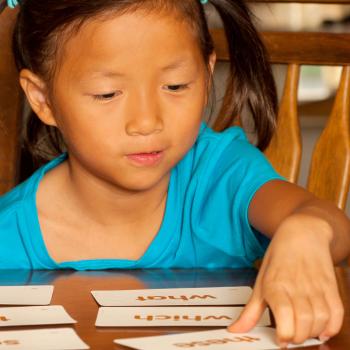
Introducing Ideas and Vocabulary with the Concept Sort
A Concept Sort is a vocabulary and comprehension strategy used with students to introduce new topics and/or familiarize students with new vocabulary.

Using Paired Reading to Increase Fluency and Peer Cooperation
In this strategy, students read aloud to each other, pairing more fluent readers with less fluent readers. This strategy can also be used to pair older students with younger students to create "reading buddies."