Students analyze characterization by creating their own superheroes or super-villains,
complete with related gadgets and settings.
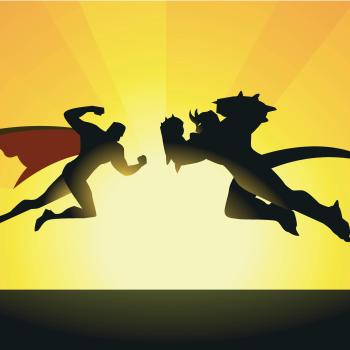
Fantastic Characters: Analyzing and Creating Superheroes and Villains
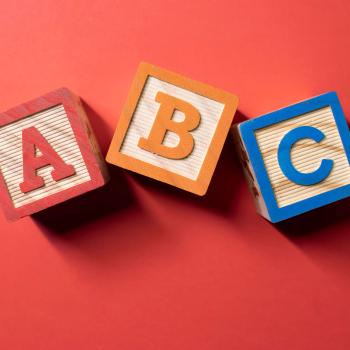
Our Community: Creating ABC Books as Assessment
Students create alphabet books, which are used as an integrated assessment with science, health, social studies, and any other content area. This lesson plans looks at the theme of community.

Exploring the Power of Language with Six-Word Memoirs
What do the words we write really have to say about us? In this lesson, students examine the power of word choice as they write six-word memoirs of their lives.

RAFT Writing Template
Students can utilize this printout to organize their writing as they learn to use the RAFT strategy. This printout enables students to clearly define their role, audience, format, and topic for writing.

Making Connections
In this strategy guide, you'll learn to model how students can make three different kinds of connections (text-to-text, text-to-self, text-to-world). Students then use this knowledge to find their own personal connections to a text.

Using Paired Reading to Increase Fluency and Peer Cooperation
In this strategy, students read aloud to each other, pairing more fluent readers with less fluent readers. This strategy can also be used to pair older students with younger students to create "reading buddies."

Persuading the Principal: Writing Persuasive Letters About School Issues
Students learn that you don't have to raise your voice to raise a point. Writing a persuasive letter to your principal is a great way to get your opinions heard.
Promoting Cultural Values Through Alphabet Books
C is for Culture in this lesson in which students research a culture different from their own and compile an alphabet book that showcases cultural symbols for each letter of the alphabet.
To, Too, or Two: Developing an Understanding of Homophones
The classroom becomes a stage in this interactive lesson in which students sing, act, and design comic strips to learn the meanings and spellings of common homophones.
Using Word Webs to Teach Synonyms for Commonly Used Words
Students use word webs to choose synonyms for generic adjectives and to learn to adjust their word usage for different contexts.
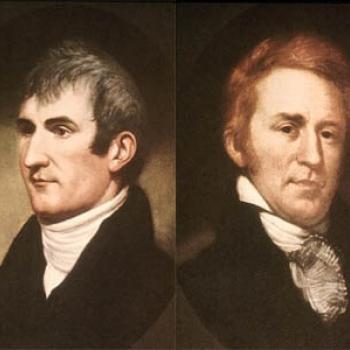
Exploring Cross-Age Tutoring Activities With Lewis and Clark
Interaction and adventure draws high school and elementary school students together as they analyze stories about the Lewis and Clark expedition.

Using Personal Connections to Build an Understanding of Emotions
What makes you happy? What makes you sad? Connecting words to feelings enriches vocabulary and helps with concept development.
Choosing, Chatting, and Collecting: Vocabulary Self-Collection Strategy
Students identify interesting words from Shakespeare's plays and add them to a classroom vocabulary collection.

A Portrait of Our World: Making Connections and Developing Comprehension
Students engage in carousel walks, character analyses, global explorations, and genre studies while using valuable language arts strategies to build higher-level comprehension skills.

3-2-1 Vocabulary: Learning Filmmaking Vocabulary by Making Films
Bring the vocabulary of film to life through the processes of filmmaking. Students learn terminology and techniques simultaneously as they plan, film, and edit a short video.

Using Word Storms to Explore Vocabulary and Encourage Critical Thinking
Students learn that dogs are more than just pets in this lesson, which teaches them to use research and vocabulary-acquisition strategies to learn and write about working dogs.
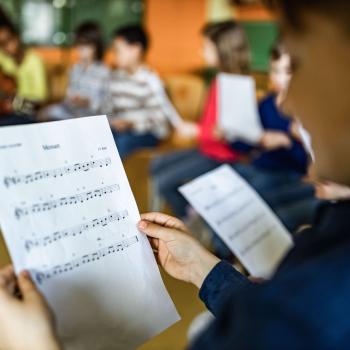
Read a Song: Using Song Lyrics for Reading and Writing
This lesson will be music to the students' ears when they hear that they get to read song lyrics and compose original lyrics for a familiar song.

Protecting Our Precious Planet: Sharing the Message of Earth Day
Students discover that they can make a world of difference when they participate in the online Earth Day bag program.
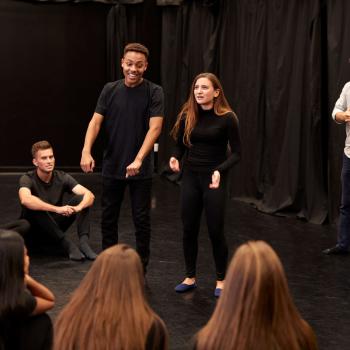
Pairing Fiction With Poetry and Performance
Make connections across genres and across cultures to engage students in the study of literary voice and themes. Comprehension skills and vocabulary also come into play, especially for English language learners, as students read a novel and related poems, then write and perform original poems related to the novel.
Student of the Day: Create Sound/Letter Understanding With Names
Name games make learning letters fun and interactive in this lesson where students get to know more about each other as they spell out their classmates' names.