After exploring Orson Welles' 1938 broadcast of H. G. Wells' War of the Worlds, students create their own audio dramatization of a text they have read.
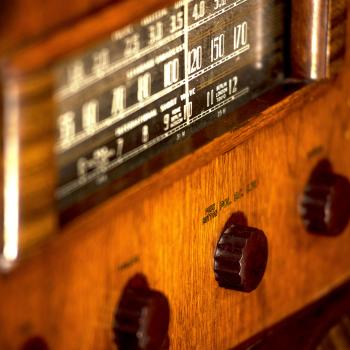
Audio Broadcasts and Podcasts: Oral Storytelling and Dramatization
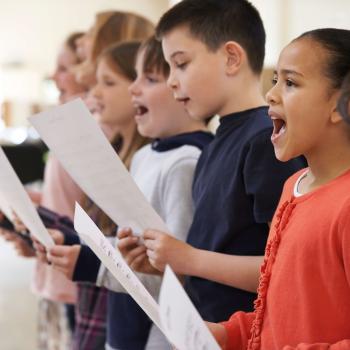
Improving Fluency through Group Literary Performance
Students participate in shared reading, choral reading, and readers theater, using books by Bill Martin, Jr. Repeated readings and literary performances help students with their reading accuracy, expression, and rate.

Blending the Past with Today's Technology: Using Prezi to Prepare for Historical Fiction
To prepare for literature circles featuring historical novels, students research the decades of the 1930s to the 1990s and share their information using Prezi, a web application for creating multimedia presentations.
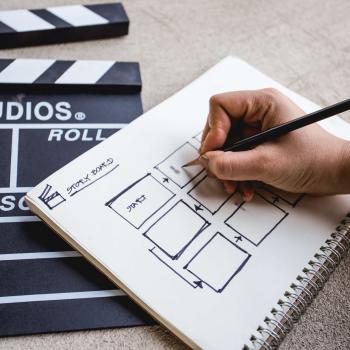
From Text to Film: Exploring Classic Literature Adaptations
Students create storyboards to compare and contrast a book and its film adaptation.

Audience & Purpose: Evaluating Disney's Changes to the Hercules Myth
What drives changes to classic myths and fables? In this lesson students evaluate the changes Disney made to the myth of "Hercules" in order to achieve their audience and purpose.
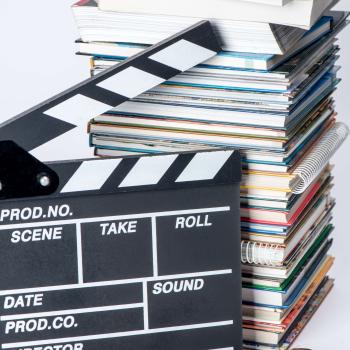
Get the Reel Scoop: Comparing Books to Movies
Students compare a book to its film adaptation, and then perform readers theater of a scene from the book that they feel was not well represented in the movie version.

Choral Reading
During choral reading, students read together orally. Repeated, supported reading helps students read with greater expression and read unfamiliar words with greater ease.
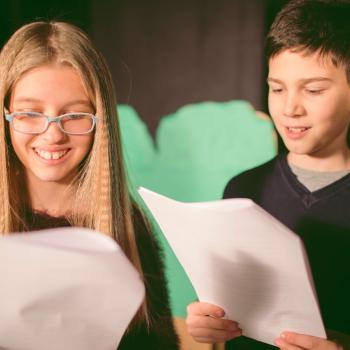
Readers Theatre
Readers Theatre integrates oral reading, literature, and the performing arts. This strategy can entice the most reluctant and disinterested reader to become engaged in reading.
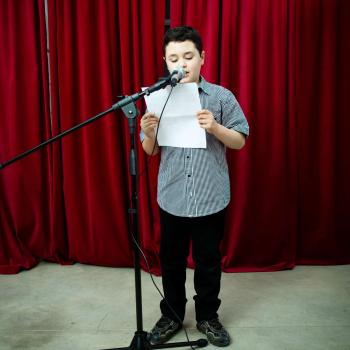
Performing Poetry
Performing poetry incorporates oral reading, literature, and the performing arts. This strategy can benefit content area readers, English language learners, or learners with special needs.
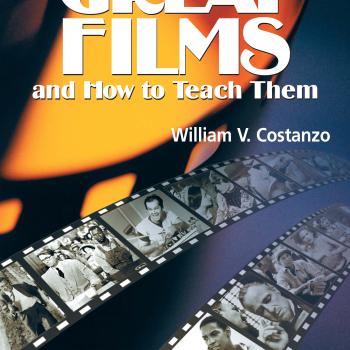
Great Films and How to Teach Them
Costanzo offers high school and college teachers an updated, expanded edition that contains 80% new material on teaching film, including study guides of 14 new film with relevant ways to engage their students through a medium that students know and love.
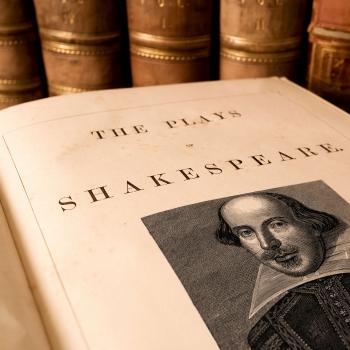
Constructing New Understanding Through Choral Readings of Shakespeare
After reading The Tempest or any other play by William Shakespeare, students work in small groups to plan, compose, and perform a choral reading based on a character or theme.
Cover to Cover: Comparing Books to Movies
Students compare and analyze novels and the movies adapted from them. They design new DVD covers and a related insert for the movies, reflecting their response to the movie version.

Readers Theatre With Jan Brett
Students in grades 1-2 use Jan Brett's Hedgie's Surprise for a Readers Theatre experience.

A High-Interest Novel Helps Struggling Readers Confront Bullying in Schools
Students read a work of realistic fiction about bullying and gain understanding through writing, Readers Theatre, and discussion.

Reading Movies and TV: Learning the "Language" of Moving-Image Texts
Introduce students to the idea that movies and TV have their own language and grammar, which gives them special ways of telling their stories.
3-2-1 Vocabulary: Learning Filmmaking Vocabulary by Making Films
Bring the vocabulary of film to life through the processes of filmmaking. Students learn terminology and techniques simultaneously as they plan, film, and edit a short video.
Writing a Movie: Summarizing and Rereading a Film Script
Lights! Camera! Action! In this lesson, students view a scene with no dialogue from E.T., write a script for that scene, and perform a dramatic reading while the scene plays.
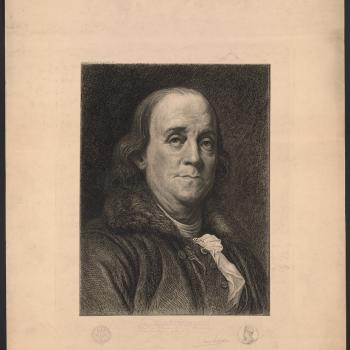
History Comes Alive: Developing Fluency and Comprehension Using Social Studies
Let the power of imagination and inference serve as a "time machine" to bring Benjamin Franklin into the classroom! History and science come to life in a dialogue with Franklin the inventor, developed through lesson activities that incorporate research, imagination, writing, visual arts, and drama.

Media Literacy: Examining the World of Television Teens
Pop culture and the classroom collide in this lesson when students go behind the scenes to analyze a television series for characterization to use in an original television show proposal.
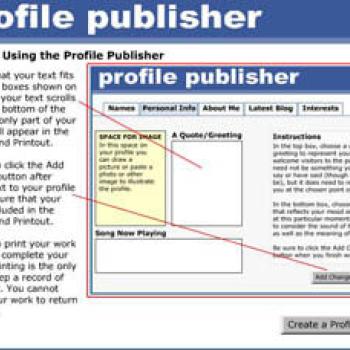
Profile Publisher
Students use the Profile Publisher to draft online social networking profiles, yearbook profiles, and newspaper or magazine profiles for themselves, other real or fictional characters.