Students analyze a photograph, brainstorm words to describe the characters' senses and feelings, work in pairs to describe a character's experience, and create a poem using their ideas and similes.

Wartime Poetry: Working With Similes
Guided Comprehension: Evaluating Using the Meeting of the Minds Technique
Based on the Guided Comprehension Model developed by Maureen McLaughlin and Mary Beth Allen, this lesson introduces students to the strategy of evaluating, using the Meeting of the Minds technique.

Guided Comprehension: Knowing How Words Work Using Semantic Feature Analysis
Based on the Guided Comprehension Model developed by Maureen McLaughlin and Mary Beth Allen, this lesson introduces students to the comprehension strategy of knowing how words work.

Let's Build a Snowman
In this lesson, students use both fiction and nonfiction texts, the Internet, and a K-W-L chart to learn about how animals survive the winter.

Spelling Cheerleading: Integrating Movement and Spelling Generalizations
"2-4-6-8, students will be spelling great" in this lesson that teaches the y rule for adding suffixes through cheering the spelling of words aloud, word sorts, and writing stories.

Using Writing and Role-Play to Engage the Reluctant Writer
What does the world look like through a javelina's eyes? Students become javelinas in this lesson when they analyze a character and write from his or her perspective.
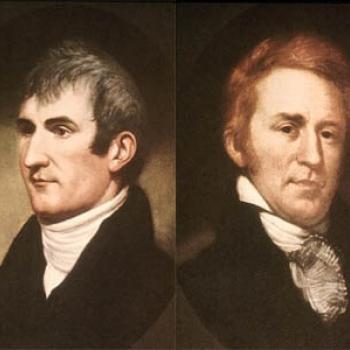
Exploring Cross-Age Tutoring Activities With Lewis and Clark
Interaction and adventure draws high school and elementary school students together as they analyze stories about the Lewis and Clark expedition.

Critical Reading: Two Stories, Two Authors, Same Plot?
Students make predictions about the stories and analyze story elements, compare and contrast the different stories, distinguish between fact and opinion, and draw conclusions supported by evidence from their readings.

What Did They Say? Dialect in The Color Purple
Y'all set down a spell and learn ‘bout dialects!" In other words, your students will use The Color Purple to explore dialect and how it reveals information about the characters.
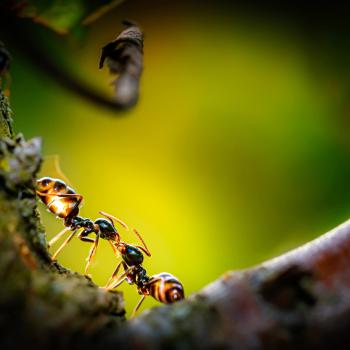
Teaching Point of View With Two Bad Ants
Students will be crawling all over this assignment when they use illustrations and text to learn about life from a bug's point of view.

Peer Edit With Perfection: Effective Strategies
Students take a fresh look at the revision process and help one another polish their written work through a peer-editing strategy that is simple, systematic, and constructive.

Diagram It! Identifying, Comparing, and Writing About Nonfiction Texts
Students compare the traits fact and fiction by using a Venn diagram to compare fiction and nonfiction books about Native Americans.
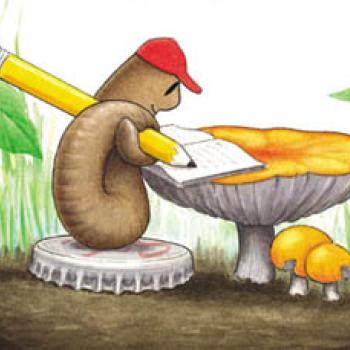
Fact or Fiction: Learning About Worms Using Diary of a Worm
Students often believe that fiction writers make everything up, seldom realizing how research worms its way into entertaining writing. In this lesson, students read Diary of a Worm to find out how fact merges with fiction.
Word Maps: Developing Critical and Analytical Thinking About Literary Characters
Students read "After Twenty Years" by O. Henry, use a word map to identify characters' qualities or traits, discuss the characters' feelings and actions, and reflect upon these in journals.

Telling a Story About Me: Young Children Write Autobiographies
Students tell their life stories in this lesson about autobiographies based on family photographs.

Astronomy Poetry: Combining Poetry With the Content Areas
Students' responses to this lesson will be out of this world after they've researched astronomy to write poetry and compile a poetry book.
Q is for Duck: Using Alphabet Books With Struggling Writers
A is for zoo? Q is for duck? The alphabet as students know it is transformed when students create a class book that contains clever associations for each letter of the alphabet.

Thrills! Chills! Using Scary Stories to Motivate Students to Read
Students examine story elements through teacher read-alouds and independent reading and then use reader-response journals and graphic organizers to prepare for the creation of their own scary stories.

Reciprocal Revision: Making Peer Feedback Meaningful
Interpreting art is a subjective process. In this lesson, students write written responses analyzing a work of art and use feedback from their peers to revise or confirm their initial responses.
Junie B. Jones Introduces Literacy Mystery Boxes
Like Junie B. Jones, students will be saying "Wait till you hear this" after listening to a Junie B. story and creating mystery boxes to help retell the story.