ReadWriteThink - Powered by NCTE
  • About
  • Classroom Resources
    • Lesson Plans
    • Teaching Comics
    • Teaching With Primary Resources
    • Calendar
    • Printouts
    • Student Interactives
  • Collections
    • Assessment
    • Authors
    • Booklists
    • Media Literacy
    • Poetry
    • Primary Sources
    • Writing
  • Professional Development
    • Strategy Guides
    • Professional Library
    • Meetings & Events
  • Join NCTE
  • Contact Us
  • About
  • Classroom Resources
    • Lesson Plans
    • Teaching Comics
    • Teaching With Primary Resources
    • Calendar
    • Printouts
    • Student Interactives
  • Collections
    • Assessment
    • Authors
    • Booklists
    • Media Literacy
    • Poetry
    • Primary Sources
    • Writing
  • Professional Development
    • Strategy Guides
    • Professional Library
    • Meetings & Events
  • Join NCTE
  • Contact Us
  • Facebook
  • Twitter
  • Instagram
  • Pinterest
  • YouTube

Breadcrumb

  1. Home

Type

  • Classroom Resources
  • Professional Development

Grades

  • 1 (108)
  • 2 (114)
  • 3 (185)
  • 4 (188)
  • 5 (213)
  • 6 (251)
  • 7 (256)
  • 8 (261)
  • 9 (275)
  • 10 (269)
  • 11 (260)
  • 12 (259)
  • K (98)

Learning Objectives

  • (-) multimodal literacy (260)
  • (-) writing process (421)
  • collaboration (458)
  • Comprehension (508)
  • critical thinking (649)
  • digital literacy (154)
  • Grammar (57)
  • inquiry / research (350)
  • listening (182)
  • literary analysis (367)
  • Media literacy (205)
  • metacognition (302)
  • multicultural awareness (113)
  • oral communication (224)
  • phonological awareness (61)
  • print awareness (89)
  • reading fluency (67)
  • reading genres (290)
  • Spelling (51)
  • text structure / story structure (242)
  • Vocabulary (191)
  • writing genres (382)

Topics

  • arts
  • careers
  • community
  • drama
  • ELL
  • Family
  • fiction
  • Mathematics
  • Mobile Learning
  • nonfiction
  • poetry
  • science
  • seasons / holidays
  • social action
  • social studies / history
  • Sports
  • STEM
Designing Museum Exhibits for <em>The Grapes of Wrath</em>: A Multigenre Project
Grades
9 - 12
|
Lesson Plan
|
Unit
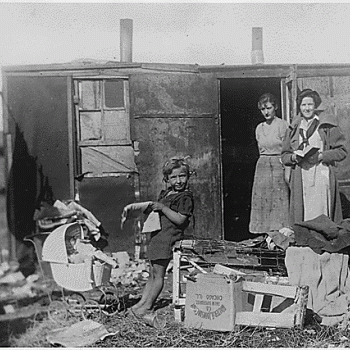
Designing Museum Exhibits for The Grapes of Wrath: A Multigenre Project

Using The Grapes of Wrath as a backdrop, students conduct research on issues that the novel addresses, publishing their findings in a multigenre museum exhibit.
Comparing Fiction and Nonfiction with "Little Red Riding Hood Text" Sets
Grades
K - 2
|
Lesson Plan
|
Unit
Comparing Fiction and Nonfiction with "Little Red Riding Hood Text" Sets
Students discuss and compare differing versions of "Little Red Riding Hood" and other tales about wolves in cumulative read-aloud sessions and text set explorations.

Engaging Students in a Collaborative Exploration of the Gettysburg Address
Grades
3 - 5
|
Lesson Plan
|
Standard Lesson
Engaging Students in a Collaborative Exploration of the Gettysburg Address
In small groups, students closely examine one sentence from the Gettysburg Address and create a multigenre project communicating what they have discovered about the meaning and significance of the text.
Investigating Names to Explore Personal History and Cultural Traditions
Grades
6 - 8
|
Lesson Plan
|
Standard Lesson
Investigating Names to Explore Personal History and Cultural Traditions
Students investigate the meanings and origins of their names in order to establish their own personal histories and to explore the cultural significance of naming traditions.

So What Do You Think? Writing a Review
Grades
9 - 12
|
Lesson Plan
|
Standard Lesson
So What Do You Think? Writing a Review
Writing a review of an author's work challenges students to develop their critical thinking skills. It provides an opportunity for students to speak their minds—and to enjoy being heard.
Dear Librarian: Writing a Persuasive Letter
Grades
3 - 5
|
Lesson Plan
|
Standard Lesson
Dear Librarian: Writing a Persuasive Letter
Students write persuasive letters to their librarian requesting that specific texts be added to the school library. As they work, students plan their arguments and outline their reasons and examples.

Audio Listening Practices: Exploring Personal Experiences with Audio Texts
Grades
9 - 12
|
Lesson Plan
|
Standard Lesson
Audio Listening Practices: Exploring Personal Experiences with Audio Texts

Students keep a daily diary that records how and when they listen to audio texts, then analyze the details and compare their results to published reports on American radio listeners.

Creating Family Timelines: Graphing Family Memories and Significant Events
Grades
3 - 5
|
Lesson Plan
|
Standard Lesson
Creating Family Timelines: Graphing Family Memories and Significant Events
Students interview family members, and then create graphic family timelines based on important and memorable family events.
Grades
3 - 5
|
Lesson Plan
|
Standard Lesson
Our Classroom: Writing an Owner's Manual
Students write an owner's manual that helps them get to know their classroom, provides them with a sense of ownership, and lets others know about their classroom.
On a Musical Note: Exploring Reading Strategies by Creating a Soundtrack
Grades
6 - 8
|
Lesson Plan
|
Standard Lesson
On a Musical Note: Exploring Reading Strategies by Creating a Soundtrack
Students create a soundtrack for a novel that they have read, as they engage in such traditional reading strategies as predicting, visualizing, and questioning.
Star-Crossed Lovers Online: <em>Romeo and Juliet</em> for a Digital Age
Grades
9 - 12
|
Lesson Plan
|
Standard Lesson
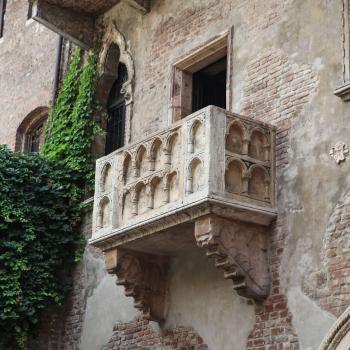
Star-Crossed Lovers Online: Romeo and Juliet for a Digital Age
Explore the modern significance of an older text, such as Shakespeare's Romeo and Juliet, by asking students to create their own modern interpretation of specific events from the drama.
Once Upon a Time Rethought: Writing Fractured Fairy Tales
Grades
3 - 5
|
Lesson Plan
|
Standard Lesson
Once Upon a Time Rethought: Writing Fractured Fairy Tales
Students read and analyze fairy tales, identifying their common elements. They then write their own "fractured" fairy tales by changing one of the literary elements found in the original.
How Does My Garden Grow? Writing in Science Field Journals
Grades
K - 2
|
Lesson Plan
|
Standard Lesson
How Does My Garden Grow? Writing in Science Field Journals
Students plant a garden and study its growth using the inquiry process of questioning and exploring. As they research and study, students record their observations in a field journal.
Literature as a Jumping Off Point for Nonfiction Inquiry
Grades
3 - 5
|
Lesson Plan
|
Unit
Literature as a Jumping Off Point for Nonfiction Inquiry
Students use text sets to research a topic inspired by a fiction book they have read. A text set is a collection of multiple text genres with a single focus.

Our Community: Creating ABC Books as Assessment
Grades
K - 2
|
Lesson Plan
|
Standard Lesson
Our Community: Creating ABC Books as Assessment
Students create alphabet books, which are used as an integrated assessment with science, health, social studies, and any other content area. This lesson plans looks at the theme of community.

Naming in a Digital World: Creating a Safe Persona on the Internet
Grades
9 - 12
|
Lesson Plan
|
Standard Lesson
Naming in a Digital World: Creating a Safe Persona on the Internet
Students explore naming conventions in digital and non-digital settings then choose and explain specific names and profiles to represent themselves online.
Cooking Up Descriptive Language: Designing Restaurant Menus
Grades
6 - 8
|
Lesson Plan
|
Standard Lesson
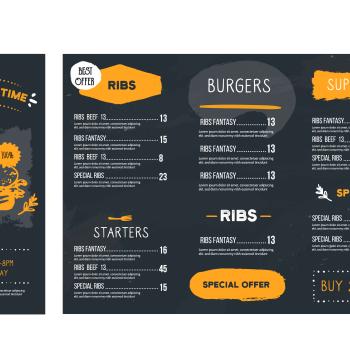
Cooking Up Descriptive Language: Designing Restaurant Menus
Students explore the menu genre by analyzing existing menus from local restaurants. They review adjectives and descriptive writing and then work in groups to create their own custom menus.

Looking at Landmarks: Using a Picture Book to Guide Research
Grades
3 - 5
|
Lesson Plan
|
Standard Lesson
Looking at Landmarks: Using a Picture Book to Guide Research
This lesson uses Ben's Dream by Chris Van Allsburg to highlight ten major landmarks of the world. Students research the landmarks and present their findings to the class.

Literary Parodies: Exploring a Writer's Style through Imitation
Grades
9 - 12
|
Lesson Plan
|
Standard Lesson
Literary Parodies: Exploring a Writer's Style through Imitation
This lesson asks students to analyze the features of a poet's work then create their own poems based on the original model.
Paying Attention to Technology: Reviewing a Technology
Grades
9 - 12
|
Lesson Plan
|
Standard Lesson
Paying Attention to Technology: Reviewing a Technology
Students read and analyze technology reviews to establish the characteristics of the genre. They then compose their own reviews on a technology of their choice.

Pagination

  • First page « First
  • Previous page ‹‹
  • Page 1
  • Page 2
  • Page 3
  • Page 4
  • Page 5
  • Page 6
  • Page 7
  • Page 8
  • Page 9
  • …
  • Next page ››
  • Last page Last »

Explore Resources by Grade

  • KindergartenK
  • 1-2
  • 3-4
  • 5-6
  • 7-8
  • 9-10
  • 11-12

RWT-logo

Powered By NCTE

Footer 1 Menu

  • About
  • Classroom Resources
  • Professional Development
  • Collections
  • Contact Us

Footer 2 Menu

  • National Council of Teachers of English
  • Contribute to RWT
  • FAQs
  • Join NCTE

Footer 3 Menu

  • Legal Notices
  • Privacy Policy
  • Promotional Materials
  • Site Demonstrations

Want to stay in touch with RWT and NCTE? Sign up here!

  • Facebook
  • Twitter
  • Instagram
  • Pinterest
  • YouTube

© NCTE 2026. All rights reserved