ReadWriteThink - Powered by NCTE
  • About
  • Classroom Resources
    • Lesson Plans
    • Teaching Comics
    • Teaching With Primary Resources
    • Calendar
    • Printouts
    • Student Interactives
  • Collections
    • Assessment
    • Authors
    • Booklists
    • Media Literacy
    • Poetry
    • Primary Sources
    • Writing
  • Professional Development
    • Strategy Guides
    • Professional Library
    • Meetings & Events
  • Join NCTE
  • Contact Us
  • About
  • Classroom Resources
    • Lesson Plans
    • Teaching Comics
    • Teaching With Primary Resources
    • Calendar
    • Printouts
    • Student Interactives
  • Collections
    • Assessment
    • Authors
    • Booklists
    • Media Literacy
    • Poetry
    • Primary Sources
    • Writing
  • Professional Development
    • Strategy Guides
    • Professional Library
    • Meetings & Events
  • Join NCTE
  • Contact Us
  • Facebook
  • Twitter
  • Instagram
  • Pinterest
  • YouTube

Breadcrumb

  1. Home

Type

  • Classroom Resources
  • Professional Development

Grades

  • 1 (23)
  • 2 (26)
  • 3 (49)
  • 4 (49)
  • 5 (59)
  • 6 (58)
  • 7 (59)
  • 8 (62)
  • 9 (70)
  • 10 (68)
  • 11 (63)
  • 12 (63)
  • K (21)

Learning Objectives

  • (-) writing process (153)
  • collaboration (146)
  • Comprehension (179)
  • critical thinking (215)
  • digital literacy (49)
  • Grammar (19)
  • inquiry / research (150)
  • listening (61)
  • literary analysis (113)
  • Media literacy (51)
  • metacognition (114)
  • multicultural awareness (47)
  • multimodal literacy (75)
  • oral communication (76)
  • phonological awareness (13)
  • print awareness (37)
  • reading fluency (18)
  • reading genres (118)
  • Spelling (16)
  • text structure / story structure (82)
  • Vocabulary (70)
  • writing genres (168)

Topics

  • (-) nonfiction
  • (-) poetry
  • arts
  • careers
  • community
  • drama
  • ELL
  • Family
  • fiction
  • Mathematics
  • Mobile Learning
  • science
  • seasons / holidays
  • social action
  • social studies / history
  • Sports
  • STEM
Songs of Our Lives: Using Lyrics to Write Stories
Grades
5 - 10
|
Lesson Plan
|
Standard Lesson
Songs of Our Lives: Using Lyrics to Write Stories
Students learn about the life and music of John Lennon, write a short story from their lives integrating lyrics from some of their favorite songs, and create a class book of stories.

Cut up, Cover up, and Come Away with Ideas for Writing!
Grades
6 - 8
|
Lesson Plan
|
Standard Lesson
Cut up, Cover up, and Come Away with Ideas for Writing!
Students rework their forgotten/abandoned drafts by cutting and covering up selected words. By creatively manipulating text, they explore portal writing, a strategy for envisioning a new story or story direction.
Prompting Revision through Modeling and Written Conversations
Grades
3 - 5
|
Lesson Plan
|
Standard Lesson
Prompting Revision through Modeling and Written Conversations
Students create a checklist outlining what effective writers do, revise his or her own writing, and engage in a written conversation to help peers with the revision process.
Blurring Genre: Exploring Fiction and Nonfiction with <em>Diary of a Worm</em>
Grades
6 - 8
|
Lesson Plan
|
Standard Lesson
Blurring Genre: Exploring Fiction and Nonfiction with Diary of a Worm
After reading several examples of how a published author incorporates facts in fiction writing, students research a topic of their choice and write fictional diary entries that incorporate factual information.
An Exploration of Romanticism Through Art and Poetry
Grades
9 - 12
|
Lesson Plan
|
Unit
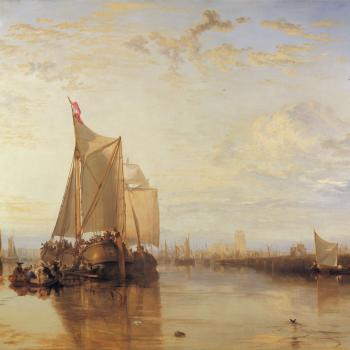
An Exploration of Romanticism Through Art and Poetry

Students use art and poetry to explore and understand major characteristics of the Romantic period.

Moving Toward Acceptance Through Picture Books and Two-Voice Texts
Grades
3 - 5
|
Lesson Plan
|
Unit
Moving Toward Acceptance Through Picture Books and Two-Voice Texts
Students read and discuss literature about intolerance and diversity. They work with a partner to write two-voice poems that illustrate situations of intolerance at their school and suggest a step toward acceptance.
Brochures: Writing for Audience and Purpose
Grades
9 - 12
|
Lesson Plan
|
Unit
Brochures: Writing for Audience and Purpose
Students create brochures on the same topic as another piece of writing they have done, highlighting how shifting purposes and audiences creates changes in their strategies as writers.

Family Memoir: Getting Acquainted With Generations Before Us
Grades
9 - 12
|
Lesson Plan
|
Unit
Family Memoir: Getting Acquainted With Generations Before Us
Creating a memoir of an older family member allows students both to learn more about their own backgrounds and to learn the power of storytellers.
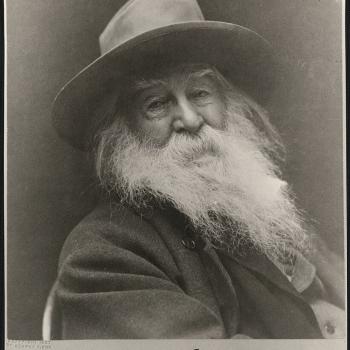
Walt Whitman as a Model Poet: "I Hear My School Singing"
Grades
9 - 12
|
Lesson Plan
|
Standard Lesson
Walt Whitman as a Model Poet: "I Hear My School Singing"
Students first analyze Walt Whitman's "I Hear America Singing," then use Whitman's poem as a model as they create their own list poems.
The ABCs of Poetry
Grades
9 - 12
|
Lesson Plan
|
Minilesson
The ABCs of Poetry
Students examine a letter of the alphabet from all angles, creating image pools of original metaphors that they then turn into poems.
The Feature Story&#151;Fifteen Minutes (and 500 Words) of Fame!
Grades
9 - 12
|
Lesson Plan
|
Standard Lesson
The Feature Story—Fifteen Minutes (and 500 Words) of Fame!
Students learn how to differentiate between a news story and a feature story by writing a profile of a classmate.
Entering History: Nikki Giovanni and Martin Luther King, Jr.
Grades
6 - 8
|
Lesson Plan
|
Standard Lesson
Entering History: Nikki Giovanni and Martin Luther King, Jr.
Nikki Giovanni's poem "The Funeral of Martin Luther King, Jr." is paired with Dr. King's "I Have a Dream" speech, taking students on a quest through time to the Civil Rights movement.

A Poem of Possibilities: Thinking about the Future
Grades
11 - 12
|
Lesson Plan
|
Standard Lesson
A Poem of Possibilities: Thinking about the Future
After reading John Updike's "Ex-Basketball Player," students write poems describing themselves five years in the future. The teacher takes the poems and mails them to students in five years.
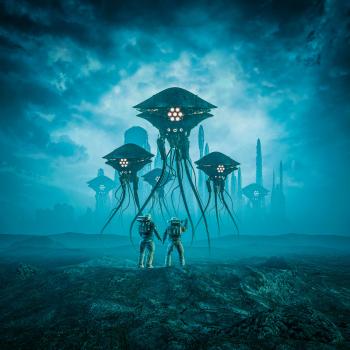
Finding the Science Behind Science Fiction through Paired Readings
Grades
6 - 8
|
Lesson Plan
|
Standard Lesson
Finding the Science Behind Science Fiction through Paired Readings
Students read science fiction texts and then use nonfiction texts to extrapolate the scientific principles presented as they discuss the "what ifs" within the context of scientific principles.
Exploring Language and Identity: Amy Tan's "Mother Tongue" and Beyond
Grades
9 - 12
|
Lesson Plan
|
Standard Lesson
Exploring Language and Identity: Amy Tan's "Mother Tongue" and Beyond
Students explore the idea of "different Englishes" by reading Amy Tan's "Mother Tongue" and writing literacy narratives about their own use of different language for different audiences and purposes.
Writing about Writing: An Extended Metaphor Assignment
Grades
9 - 12
|
Lesson Plan
|
Standard Lesson
Writing about Writing: An Extended Metaphor Assignment
After discussing the poem "The Writer" by Richard Wilbur, students analyze their own writing habits and create an extended metaphor describing themselves as writers.
Grades
9 - 12
|
Lesson Plan
|
Minilesson
You're the Top! Pop Culture Then and Now
Students analyze the lyrics to Cole Porter's "You're the Top!" and then update them to include current "tops" in pop culture.
Put That on the List: Independently Writing a Catalog Poem
Grades
9 - 12
|
Lesson Plan
|
Standard Lesson
Put That on the List: Independently Writing a Catalog Poem
In this follow-up to writing collaborative catalog poems, students write individual catalog poems about what really matters in their lives, based on Carver's poem "The Car."
Put That on the List: Collaboratively Writing a Catalog Poem
Grades
9 - 12
|
Lesson Plan
|
Standard Lesson
Put That on the List: Collaboratively Writing a Catalog Poem
Using the structure of a list poem, students combine creative expression with poetic techniques and language exploration in order to write group poems about what really matters in their lives.
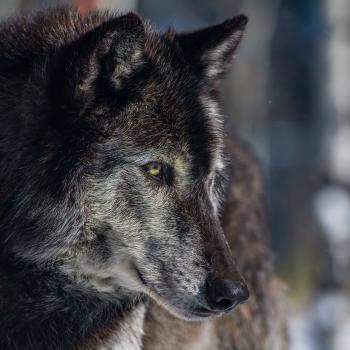
Comparing Fiction and Nonfiction with "Little Red Riding Hood Text" Sets
Grades
K - 2
|
Lesson Plan
|
Unit
Comparing Fiction and Nonfiction with "Little Red Riding Hood Text" Sets
Students discuss and compare differing versions of "Little Red Riding Hood" and other tales about wolves in cumulative read-aloud sessions and text set explorations.

Pagination

  • Page 1
  • Page 2
  • Page 3
  • Page 4
  • Page 5
  • Page 6
  • Page 7
  • Page 8
  • Next page ››
  • Last page Last »

Explore Resources by Grade

  • KindergartenK
  • 1-2
  • 3-4
  • 5-6
  • 7-8
  • 9-10
  • 11-12

RWT-logo

Powered By NCTE

Footer 1 Menu

  • About
  • Classroom Resources
  • Professional Development
  • Collections
  • Contact Us

Footer 2 Menu

  • National Council of Teachers of English
  • Contribute to RWT
  • FAQs
  • Join NCTE

Footer 3 Menu

  • Legal Notices
  • Privacy Policy
  • Promotional Materials
  • Site Demonstrations

Want to stay in touch with RWT and NCTE? Sign up here!

  • Facebook
  • Twitter
  • Instagram
  • Pinterest
  • YouTube

© NCTE 2026. All rights reserved