In this strategy guide, you'll learn about Partner Talk—a way to provide students with another learning opportunity to make learning their own through collaboration and discussion.

Using Partner Talk to Strengthen Student Collaboration and Understanding

Using Paired Reading to Increase Fluency and Peer Cooperation
In this strategy, students read aloud to each other, pairing more fluent readers with less fluent readers. This strategy can also be used to pair older students with younger students to create "reading buddies."

Teaching with Zooming Slideshows through Prezi
Through Prezi, a web application, students create "zooming" presentations for various purposes, such as presenting research, defending an opinion, or sharing a digital story.
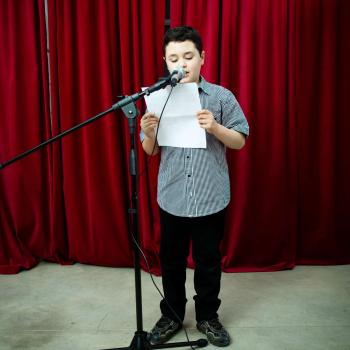
Performing Poetry
Performing poetry incorporates oral reading, literature, and the performing arts. This strategy can benefit content area readers, English language learners, or learners with special needs.
Go Public!: Encouraging Student Writers to Publish
Intended for middle and high school teachers, Go Public! offers specific writing ideas and classroom activities to help students develop the confidence and ability to publish in a wide market.
Designing Writing Assignments
Traci Gardner offers practical tips, starting points, and a companion website to help secondary and college teachers design effective writing assignments.
Wondrous Words: Writers and Writing in the Elementary Classroom
Katie Wood Ray explains in practical terms the theoretical underpinnings of how elementary and middle school students learn to write from their reading.

Tracking the Ways Writers Develop Heroes and Villains
Everyone knows that Star Wars character Darth Vader is a villain. This lesson asks students to explore how they know such things about heroes and villains they encounter in texts.
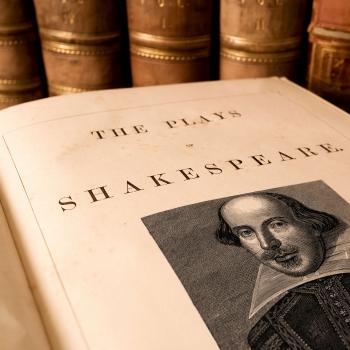
Constructing New Understanding Through Choral Readings of Shakespeare
After reading The Tempest or any other play by William Shakespeare, students work in small groups to plan, compose, and perform a choral reading based on a character or theme.

All's Well that Sells Well: A Creative Introduction to Shakespeare
Students compare attending a performance at The Globe Theater with attending a modern theater production or movie. They then create a commercial for an Elizabethan audience promoting a modern product.

The Ten-Minute Play: Encouraging Original Response to Challenging Texts
Students use both analytical and creative skills to adapt passages from a novel with significant internal dialogue and conflict, such as Toni Morrison's Beloved, into a ten-minute play.

Persuading Readers with Endorsement Letters
Students explore the genre of commercial endorsements, establishing characteristics and requirements for the genre. Each student then composes an endorsement of a product, service, company, or industry.

Writing Technical Instructions
Students walk through the process of creating technical instructions by analyzing existing instructions, choosing an audience, writing their own instructions, receiving user feedback, and then revising and publishing their instructions.

Cover to Cover: Comparing Books to Movies
Students compare and analyze novels and the movies adapted from them. They design new DVD covers and a related insert for the movies, reflecting their response to the movie version.
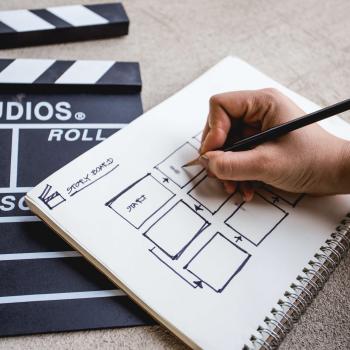
Students as Creators: Exploring Multimedia
Students are introduced to the genre of multimedia presentations through a review and analysis of online presentations. They then apply what they have learned to create their own multimedia presentations.

Students as Creators: Exploring Copyright
This lesson gives students the tools they need to consider the ethical issues surrounding use and ownership of copyrighted materials.