ReadWriteThink - Powered by NCTE
  • About
  • Classroom Resources
    • Lesson Plans
    • Teaching Comics
    • Teaching With Primary Resources
    • Calendar
    • Printouts
    • Student Interactives
  • Collections
    • Assessment
    • Authors
    • Booklists
    • Media Literacy
    • Poetry
    • Primary Sources
    • Writing
  • Professional Development
    • Strategy Guides
    • Professional Library
    • Meetings & Events
  • Join NCTE
  • Contact Us
  • About
  • Classroom Resources
    • Lesson Plans
    • Teaching Comics
    • Teaching With Primary Resources
    • Calendar
    • Printouts
    • Student Interactives
  • Collections
    • Assessment
    • Authors
    • Booklists
    • Media Literacy
    • Poetry
    • Primary Sources
    • Writing
  • Professional Development
    • Strategy Guides
    • Professional Library
    • Meetings & Events
  • Join NCTE
  • Contact Us
  • Facebook
  • Twitter
  • Instagram
  • Pinterest
  • YouTube

Breadcrumb

  1. Home

Type

  • Classroom Resources
  • Professional Development

Grades

  • 1 (24)
  • 2 (27)
  • 3 (35)
  • 4 (37)
  • 5 (36)
  • 6 (33)
  • 7 (34)
  • 8 (40)
  • 9 (43)
  • 10 (42)
  • 11 (44)
  • 12 (44)
  • K (22)

Learning Objectives

  • (-) listening (68)
  • (-) multicultural awareness (40)
  • collaboration (153)
  • Comprehension (211)
  • critical thinking (213)
  • digital literacy (41)
  • Grammar (10)
  • inquiry / research (70)
  • literary analysis (202)
  • Media literacy (52)
  • metacognition (87)
  • multimodal literacy (71)
  • oral communication (76)
  • phonological awareness (19)
  • print awareness (24)
  • reading fluency (22)
  • reading genres (158)
  • Spelling (14)
  • text structure / story structure (107)
  • Vocabulary (57)
  • writing genres (109)
  • writing process (126)

Topics

  • (-) fiction
  • arts
  • careers
  • community
  • drama
  • ELL
  • Family
  • Mathematics
  • Mobile Learning
  • nonfiction
  • poetry
  • science
  • seasons / holidays
  • social action
  • social studies / history
  • Sports
  • STEM
Examining the Legacy of the American Civil Rights Era
Grades
11 - 12
|
Lesson Plan
|
Standard Lesson
Examining the Legacy of the American Civil Rights Era

As part of their study of Richard Wright's Black Boy, students research and reflect on the current black-white racial divide in America. By examining the work of literature in the context of contemporary events, students will deepen their understanding of the work and of what it means to be an American today.

<em>The Mysteries of Harris Burdick</em>: Using Illustrations to Guide Writing
Grades
5 - 9
|
Lesson Plan
|
Standard Lesson
The Mysteries of Harris Burdick: Using Illustrations to Guide Writing
Students use illustrations from The Mysteries of Harris Burdick as a guide to write mysteries and then present their stories to the class for students to discuss to which illustration each story corresponds.

Tragic Love: Introducing Shakespeare's <em>Romeo and Juliet</em>
Grades
9 - 12
|
Lesson Plan
|
Standard Lesson
Tragic Love: Introducing Shakespeare's Romeo and Juliet

This lesson introduces students to William Shakespeare's Romeo and Juliet by having them examine the ideas of tragedy and tragic love by connecting the story to their own lives.
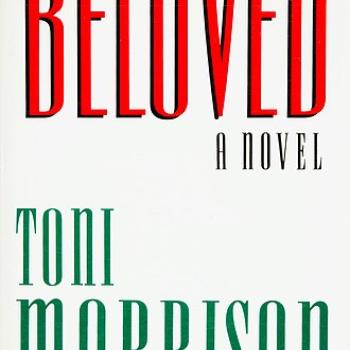
Narrative Structure and Perspectives in Toni Morrison's <em>Beloved</em>
Grades
11 - 12
|
Lesson Plan
|
Standard Lesson
Narrative Structure and Perspectives in Toni Morrison's Beloved
Using Beloved as a model of a work with multiple narrative perspectives, students use a visualizing activity and close reading to consider ways in which subjective values shape contradictory representations.

Comparing Fiction and Nonfiction with "Little Red Riding Hood Text" Sets
Grades
K - 2
|
Lesson Plan
|
Unit
Comparing Fiction and Nonfiction with "Little Red Riding Hood Text" Sets
Students discuss and compare differing versions of "Little Red Riding Hood" and other tales about wolves in cumulative read-aloud sessions and text set explorations.
Investigating Names to Explore Personal History and Cultural Traditions
Grades
6 - 8
|
Lesson Plan
|
Standard Lesson
Investigating Names to Explore Personal History and Cultural Traditions
Students investigate the meanings and origins of their names in order to establish their own personal histories and to explore the cultural significance of naming traditions.
Improving Fluency through Group Literary Performance
Grades
K - 2
|
Lesson Plan
|
Standard Lesson
Improving Fluency through Group Literary Performance
Students participate in shared reading, choral reading, and readers theater, using books by Bill Martin, Jr. Repeated readings and literary performances help students with their reading accuracy, expression, and rate.
Grades
9 - 12
|
Lesson Plan
|
Unit
Heroes Are Made of This: Studying the Character of Heroes
Designed to explore the hero and the heroic in literature, this unit asks students to discuss their ideas of heroism and analyze heroes in literature.
Grades
K - 2
|
Lesson Plan
|
Standard Lesson
Building a Matrix for Leo Lionni Books: An Author Study
In this author study, students listen to and discuss four books by Leo Lionni. They identify similarities and differences in the stories and then compare two stories of their choice.

Teaching the Epic through Ghost Stories
Grades
9 - 12
|
Lesson Plan
|
Standard Lesson
Teaching the Epic through Ghost Stories
In this lesson, students connect to the oral tradition of epic storytellers by sharing their own oral tales of ghosts and goblins and monsters.

Boars and Baseball: Making Connections
Grades
4 - 7
|
Lesson Plan
|
Standard Lesson
Boars and Baseball: Making Connections
In this lesson, students will make text-to-self, text-to-text, and text-to-world connections after reading In the Year of the Boar and Jackie Robinson. After sharing and discussing connections, students choose and plan a project that makes a personal connection to the text.

Who's Got Mail? Using Literature to Promote Authentic Letter Writing
Grades
3 - 5
|
Lesson Plan
|
Standard Lesson
Who's Got Mail? Using Literature to Promote Authentic Letter Writing
Students discuss and chart letter elements and write their own letters to adults at school, reinforcing letter-writing skills beyond the classroom lesson.
Fairy Tales from Life
Grades
3 - 5
|
Lesson Plan
|
Unit
Fairy Tales from Life
Picture books provide the basis for an analysis of fairy tale elements before students write their own original tales.

Grades
6 - 12
|
International Books for Teens

In this episode, you'll hear about books in a range of genres that give teens insight into the social and political conditions young people face around the globe. Together they offer a sustained look at war, poverty, and the struggle for human rights, but they also speak volumes about ordinary people and their capacity for hope and resilience.

Grades
6 - 12
|
Latino Literature for Teens

All readers want to see themselves reflected in the pages of books. Works of Latino literature for teens focus on the experiences of young people from Spanish-speaking countries and cultures. In honor of El Día de los Niños, tune in to hear about a variety of books that celebrate the Latino cultural experience in literature.

Grades
6 - 12
|
New Voices in Young Adult Literature

Tune in to this episode to hear about a range of titles by first-time YA authors, including mysteries, romances, humorous stories, and great contemporary realistic fiction.

Grades
6 - 12
|
Appreciating Audiobooks

In this episode, you'll hear about what goes on behind the scenes in audiobook production. You'll also hear samples from an array of distinguished audio titles including YA classics as well as newer works of contemporary realistic fiction, dystopian fiction, historical fiction, and novels written in verse.

Grades
6 - 12
|
#weneeddiversebooks

Even if they are few in number, diverse books do exist. Tune in to hear about recently-published YA titles that celebrate diversity in a range of genres. There's something for every reader here: comic book superheroes, Civil Rights history, love stories, humorous essays, poetry, artwork, and stories of suspense.

Using the RAFT Writing Strategy
Grades
Grades
5 - 12
|
Strategy Guide
Using the RAFT Writing Strategy
This strategy guide introduces the RAFT technique and offers practical ideas for using this technique to teach students to experiment with various perspectives in their writing.

Socratic Seminars
Grades
Grades
6 - 12
|
Strategy Guide
Socratic Seminars
This strategy guide explains Socratic seminars and offers practical methods for applying the approach in your classroom to help students investigate multiple perspectives in a text.

Pagination

  • Page 1
  • Page 2
  • Page 3
  • Page 4
  • Page 5
  • Next page ››
  • Last page Last »

Explore Resources by Grade

  • KindergartenK
  • 1-2
  • 3-4
  • 5-6
  • 7-8
  • 9-10
  • 11-12

RWT-logo

Powered By NCTE

Footer 1 Menu

  • About
  • Classroom Resources
  • Professional Development
  • Collections
  • Contact Us

Footer 2 Menu

  • National Council of Teachers of English
  • Contribute to RWT
  • FAQs
  • Join NCTE

Footer 3 Menu

  • Legal Notices
  • Privacy Policy
  • Promotional Materials
  • Site Demonstrations

Want to stay in touch with RWT and NCTE? Sign up here!

  • Facebook
  • Twitter
  • Instagram
  • Pinterest
  • YouTube

© NCTE 2026. All rights reserved