ReadWriteThink - Powered by NCTE
  • About
  • Classroom Resources
    • Lesson Plans
    • Teaching Comics
    • Teaching With Primary Resources
    • Calendar
    • Printouts
    • Student Interactives
  • Collections
    • Assessment
    • Authors
    • Booklists
    • Media Literacy
    • Poetry
    • Primary Sources
    • Writing
  • Professional Development
    • Strategy Guides
    • Professional Library
    • Meetings & Events
  • Join NCTE
  • Contact Us
  • About
  • Classroom Resources
    • Lesson Plans
    • Teaching Comics
    • Teaching With Primary Resources
    • Calendar
    • Printouts
    • Student Interactives
  • Collections
    • Assessment
    • Authors
    • Booklists
    • Media Literacy
    • Poetry
    • Primary Sources
    • Writing
  • Professional Development
    • Strategy Guides
    • Professional Library
    • Meetings & Events
  • Join NCTE
  • Contact Us
  • Facebook
  • Twitter
  • Instagram
  • Pinterest
  • YouTube

Breadcrumb

  1. Home

Type

  • Classroom Resources
  • Professional Development

Grades

  • 1 (80)
  • 2 (82)
  • 3 (150)
  • 4 (147)
  • 5 (159)
  • 6 (156)
  • 7 (159)
  • 8 (167)
  • 9 (173)
  • 10 (170)
  • 11 (167)
  • 12 (166)
  • K (69)

Learning Objectives

  • (-) listening (182)
  • (-) text structure / story structure (242)
  • collaboration (458)
  • Comprehension (508)
  • critical thinking (649)
  • digital literacy (154)
  • Grammar (57)
  • inquiry / research (350)
  • literary analysis (367)
  • Media literacy (205)
  • metacognition (302)
  • multicultural awareness (113)
  • multimodal literacy (260)
  • oral communication (224)
  • phonological awareness (61)
  • print awareness (89)
  • reading fluency (67)
  • reading genres (290)
  • Spelling (51)
  • Vocabulary (191)
  • writing genres (382)
  • writing process (421)

Topics

  • arts
  • careers
  • community
  • drama
  • ELL
  • Family
  • fiction
  • Mathematics
  • Mobile Learning
  • nonfiction
  • poetry
  • science
  • seasons / holidays
  • social action
  • social studies / history
  • Sports
  • STEM
Raymond Carver in the Classroom: "A Small, Good Thing"
Grades
9 - 12
|
Professional Library
|
Book
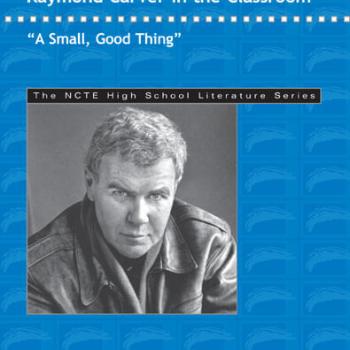
Raymond Carver in the Classroom: "A Small, Good Thing"
Rubenstein offers specific, classroom-tested strategies for teaching Raymond Carver's short stories and poems in the high school English classroom.
Go Public!: Encouraging Student Writers to Publish
Grades
6 - 12
|
Professional Library
|
Book
Go Public!: Encouraging Student Writers to Publish
Intended for middle and high school teachers, Go Public! offers specific writing ideas and classroom activities to help students develop the confidence and ability to publish in a wide market.
Language Learners in the English Classroom
Grades
7 - 12
|
Professional Library
|
Book
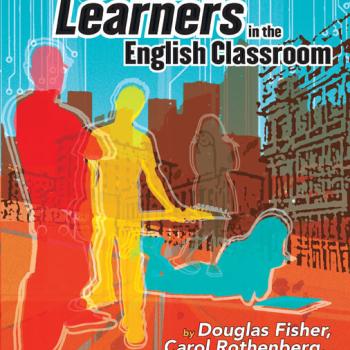
Language Learners in the English Classroom
This book provides practical, research-based strategies that can help secondary-level English language learners meet the challenges of both language and content learning.
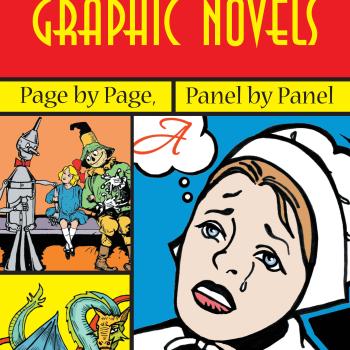
Building Literacy Connections with Graphic Novels: Page by Page, Panel by Panel
Grades
7 - 12
|
Professional Library
|
Book
Building Literacy Connections with Graphic Novels: Page by Page, Panel by Panel
This collection of essays by classroom teachers demonstrates how to pair graphic novels with classic literature (including both canonical and YA lit).
Engaging Grammar: Practical Advice for Real Classrooms
Grades
7 - 12
|
Professional Library
|
Book
Engaging Grammar: Practical Advice for Real Classrooms
Amy Benjamin challenges the idea of "skill and drill" grammar instruction, and Tom Oliva provides a teacher's journal chronicling how the concepts in this book can work in a real classroom.
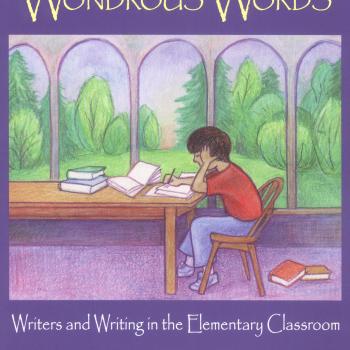
Wondrous Words: Writers and Writing in the Elementary Classroom
Grades
K - 6
|
Professional Library
|
Book
Wondrous Words: Writers and Writing in the Elementary Classroom
Katie Wood Ray explains in practical terms the theoretical underpinnings of how elementary and middle school students learn to write from their reading.
6 - 12

The Major Impact of Minor Characters in the Lives of Immigrant Heroes

Teaching Comics
9 - 12

Picture an American

Teaching Comics
Translating Poetry into Comics
9 - 12

From Verse to Visual: Translating Poetry into Comics

Teaching Comics
6 - 12

Write an Illustrated “I Am” Poem in Comic-Book Style

Teaching Comics
8 - 11

Connecting to the Past through Interviews: A Comics Project

Teaching Comics
6 - 8

Character Traits: Character Analysis through Comics: Digging Into Body Biography

Teaching Comics
6 - 12

Comics as a Gateway to Stronger Writing

Teaching Comics
9 - 12

Dear Great Immigrant, Dear Great American Comic Letter

Teaching Comics
Constructing New Understanding Through Choral Readings of Shakespeare
Grades
9 - 12
|
Lesson Plan
|
Standard Lesson
Constructing New Understanding Through Choral Readings of Shakespeare
After reading The Tempest or any other play by William Shakespeare, students work in small groups to plan, compose, and perform a choral reading based on a character or theme.
Analyzing and Comparing Medieval and Modern Ballads
Grades
9 - 12
|
Lesson Plan
|
Standard Lesson
Analyzing and Comparing Medieval and Modern Ballads
Students explore the ballads genre by reading medieval ballads to deduce their characteristics, acting out the ballads, comparing medieval and modern ballads using Venn diagrams, and composing their own ballads.
Worth Its Weight: Letter Writing with "The Things They Carried"
Grades
9 - 12
|
Lesson Plan
|
Standard Lesson
Worth Its Weight: Letter Writing with "The Things They Carried"
This lesson uses a letter-writing activity based on Tim O'Brien's story "The Things They Carried" to build empathy as students examine the weight they symbolically carry in their own lives.
Grades
K - 2
|
Lesson Plan
|
Standard Lesson
The Day Jimmy's Boa Taught Cause and Effect
This lesson introduces the concept of cause and effect with Trinka Hakes Noble's books about Jimmy and his boa constrictor.

The Children's Picture Book Project
Grades
9 - 12
|
Lesson Plan
|
Unit
The Children's Picture Book Project

In this lesson students evaluate published children's picture storybooks. Students then plan, write, illustrate, and publish their own children's picture books.

Scaffolding Methods for Research Paper Writing
Grades
6 - 8
|
Lesson Plan
|
Unit
Scaffolding Methods for Research Paper Writing
In this lesson, students use a scaffold to help them compile information to write a solid research paper.

Pagination

  • First page « First
  • Previous page ‹‹
  • …
  • Page 3
  • Page 4
  • Page 5
  • Page 6
  • Page 7
  • Page 8
  • Page 9
  • Page 10
  • Page 11
  • …
  • Next page ››
  • Last page Last »

Explore Resources by Grade

  • KindergartenK
  • 1-2
  • 3-4
  • 5-6
  • 7-8
  • 9-10
  • 11-12

RWT-logo

Powered By NCTE

Footer 1 Menu

  • About
  • Classroom Resources
  • Professional Development
  • Collections
  • Contact Us

Footer 2 Menu

  • National Council of Teachers of English
  • Contribute to RWT
  • FAQs
  • Join NCTE

Footer 3 Menu

  • Legal Notices
  • Privacy Policy
  • Promotional Materials
  • Site Demonstrations

Want to stay in touch with RWT and NCTE? Sign up here!

  • Facebook
  • Twitter
  • Instagram
  • Pinterest
  • YouTube

© NCTE 2026. All rights reserved