ReadWriteThink - Powered by NCTE
  • About
  • Classroom Resources
    • Lesson Plans
    • Teaching Comics
    • Teaching With Primary Resources
    • Calendar
    • Printouts
    • Student Interactives
  • Collections
    • Assessment
    • Authors
    • Booklists
    • Media Literacy
    • Poetry
    • Primary Sources
    • Writing
  • Professional Development
    • Strategy Guides
    • Professional Library
    • Meetings & Events
  • Join NCTE
  • Contact Us
  • About
  • Classroom Resources
    • Lesson Plans
    • Teaching Comics
    • Teaching With Primary Resources
    • Calendar
    • Printouts
    • Student Interactives
  • Collections
    • Assessment
    • Authors
    • Booklists
    • Media Literacy
    • Poetry
    • Primary Sources
    • Writing
  • Professional Development
    • Strategy Guides
    • Professional Library
    • Meetings & Events
  • Join NCTE
  • Contact Us
  • Facebook
  • Twitter
  • Instagram
  • Pinterest
  • YouTube

Breadcrumb

  1. Home

Type

  • Classroom Resources
  • Professional Development

Grades

  • 1 (109)
  • 2 (112)
  • 3 (201)
  • 4 (209)
  • 5 (240)
  • 6 (257)
  • 7 (264)
  • 8 (268)
  • 9 (289)
  • 10 (283)
  • 11 (276)
  • 12 (274)
  • K (93)

Learning Objectives

  • (-) collaboration (458)
  • (-) multimodal literacy (260)
  • Comprehension (508)
  • critical thinking (649)
  • digital literacy (154)
  • Grammar (57)
  • inquiry / research (350)
  • listening (182)
  • literary analysis (367)
  • Media literacy (205)
  • metacognition (302)
  • multicultural awareness (113)
  • oral communication (224)
  • phonological awareness (61)
  • print awareness (89)
  • reading fluency (67)
  • reading genres (290)
  • Spelling (51)
  • text structure / story structure (242)
  • Vocabulary (191)
  • writing genres (382)
  • writing process (421)

Topics

  • arts
  • careers
  • community
  • drama
  • ELL
  • Family
  • fiction
  • Mathematics
  • Mobile Learning
  • nonfiction
  • poetry
  • science
  • seasons / holidays
  • social action
  • social studies / history
  • Sports
  • STEM
"Three Stones Back": Using Informational Text to Enhance Understanding of <i>Ball Don't Lie</i>
Grades
8 - 11
|
Lesson Plan
|
Standard Lesson
"Three Stones Back": Using Informational Text to Enhance Understanding of Ball Don't Lie
Students engage in a close reading of a passage from Matt de la Pena's novel Ball Don't Lie before researching important background information to assess the accuracy of the claims made by a character.

A Picture IS Worth a Thousand Words: Using Infographics to Illustrate How-to Writing
Grades
7 - 10
|
Lesson Plan
|
Standard Lesson
A Picture IS Worth a Thousand Words: Using Infographics to Illustrate How-to Writing
Students write step-by-step instructions on topics of their own choosing. Then using Piktochart, students create their own infographics to illustrate their instructions.
Picture This: Combining Infographics and Argumentative Writing
Grades
7 - 10
|
Lesson Plan
|
Standard Lesson
Picture This: Combining Infographics and Argumentative Writing
After researching topics that the students have chosen, students write argumentative essays. Then, using Piktochart, students create their own infographics to illustrate their research.
Exploring Perspectives on Desegregation Using <i>Brown Girl Dreaming</i>
Grades
5 - 9
|
Lesson Plan
|
Standard Lesson
Exploring Perspectives on Desegregation Using Brown Girl Dreaming
Students read and discuss a selection of poems from Jacqueline Woodson's Brown Girl Dreaming to explore varying views on the process of desegregation in America.

Picture This: Using Instagram to Report
Grades
4 - 8
|
Lesson Plan
|
Standard Lesson
Picture This: Using Instagram to Report
After taking a field trip that students document using mobile app Instagram, students become new reporters as they use the interactive Printing Press to tell about their experiences.

Getting Graphic with Alternative Energy Sources
Grades
7 - 12
|
Lesson Plan
|
Standard Lesson
Getting Graphic with Alternative Energy Sources
After researching alternative sources of energy, students create online comic books to present their information.
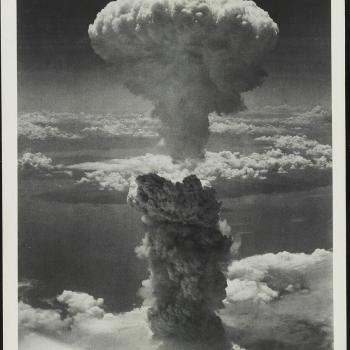
A Blast from the Past with Nuclear Chemistry
Grades
11 - 12
|
Lesson Plan
|
Standard Lesson
A Blast from the Past with Nuclear Chemistry
After researching the history and basic facts of a nuclear chemistry topic, students utilize the Web 2.0 tool Timetoast to create an electronic timeline that they use to present their research to the class.
Fashion Fun with Fossil Fuels
Grades
9 - 12
|
Lesson Plan
|
Standard Lesson
Fashion Fun with Fossil Fuels
After researching specific fossil fuel issues, students create their own clothing brands that express their opinions about the issues and then share their information and clothing line using either PowerPoint or Prezi.

Persuade Me in Five Slides!  Creating Persuasive Digital Stories
Grades
6 - 12
|
Lesson Plan
Persuade Me in Five Slides! Creating Persuasive Digital Stories
After students write persuasive essays, use this lesson to challenge them to summarize their essays concisely by creating five-slide presentations.

Making the Cut: Revising Memoirs by Detecting Clutter and Confusion
Grades
6 - 10
|
Lesson Plan
|
Standard Lesson
Making the Cut: Revising Memoirs by Detecting Clutter and Confusion
Students improve a slide show by removing pictures. Their reasons for cutting pictures are translated into revision guidelines for cutting unnecessary words and sections from their rough drafts.
Investigating Animals: Using Nonfiction for Inquiry-based Research
Grades
K - 2
|
Lesson Plan
|
Unit
Investigating Animals: Using Nonfiction for Inquiry-based Research
Inspired by their curiosity about animals, students work together to research an animal of their choice and present the information they gather to an authentic audience.
Adventures in Nonfiction: A Guided Inquiry Journey
Grades
K - 2
|
Lesson Plan
|
Standard Lesson
Adventures in Nonfiction: A Guided Inquiry Journey
Students are guided through an informal exploration of nonfiction texts and child-oriented Websites, learning browsing and skimming techniques for the purpose of gathering interesting information.
Charlotte is Wise, Patient, and Caring: Adjectives and Character Traits
Grades
3 - 5
|
Lesson Plan
|
Standard Lesson
Charlotte is Wise, Patient, and Caring: Adjectives and Character Traits
Students find examples of adjectives in a shared reading. Then students "become" major characters in a book and describe themselves and other characters, using powerful adjectives.

Action Is Character: Exploring Character Traits with Adjectives
Grades
6 - 8
|
Lesson Plan
|
Standard Lesson
Action Is Character: Exploring Character Traits with Adjectives
Students must "become" a character in a novel in order to describe themselves and other characters using powerful adjectives.
Grades
6 - 8
|
Lesson Plan
|
Standard Lesson
What Am I? Teaching Poetry through Riddles
Students explore figurative language in poetry by reading and writing riddle poems.
Grades
9 - 12
|
Lesson Plan
|
Standard Lesson
Become a Character: Adjectives, Character Traits, and Perspective
Students "become" one of the major characters in a book and describe themselves and other characters, using lists of accurate, powerful adjectives.
Book Buddy Biographies: Intermediate and Primary Students Working Together
Grades
K - 2
|
Lesson Plan
|
Standard Lesson
Book Buddy Biographies: Intermediate and Primary Students Working Together
Students create a personalized biography for their reading buddy, and each child is the author, illustrator, and editor.

Audience, Purpose, and Language Use in Electronic Messages
Grades
6 - 8
|
Lesson Plan
|
Minilesson
Audience, Purpose, and Language Use in Electronic Messages

Students explore using electronic messaging and Internet abbreviations for specific purposes and examine the importance of using a more formal style of writing based on their audience.

Myth and Truth: Independence Day
Grades
3 - 5
|
Lesson Plan
|
Standard Lesson
Myth and Truth: Independence Day
By exploring myths and truths surrounding Independence Day, students think critically about commonly believed stories regarding the beginning of the Revolutionary War and the Independence Day holiday.

Research Building Blocks: Notes, Quotes, and Fact Fragments
Grades
3 - 5
|
Lesson Plan
|
Minilesson
Research Building Blocks: Notes, Quotes, and Fact Fragments
Students are guided through the process of taking notes while reading factual information, then turning those notes into new sentences and paragraphs written in their own words.

Pagination

  • First page « First
  • Previous page ‹‹
  • …
  • Page 6
  • Page 7
  • Page 8
  • Page 9
  • Page 10
  • Page 11
  • Page 12
  • Page 13
  • Page 14
  • …
  • Next page ››
  • Last page Last »

Explore Resources by Grade

  • KindergartenK
  • 1-2
  • 3-4
  • 5-6
  • 7-8
  • 9-10
  • 11-12

RWT-logo

Powered By NCTE

Footer 1 Menu

  • About
  • Classroom Resources
  • Professional Development
  • Collections
  • Contact Us

Footer 2 Menu

  • National Council of Teachers of English
  • Contribute to RWT
  • FAQs
  • Join NCTE

Footer 3 Menu

  • Legal Notices
  • Privacy Policy
  • Promotional Materials
  • Site Demonstrations

Want to stay in touch with RWT and NCTE? Sign up here!

  • Facebook
  • Twitter
  • Instagram
  • Pinterest
  • YouTube

© NCTE 2026. All rights reserved