ReadWriteThink - Powered by NCTE
  • About
  • Classroom Resources
    • Lesson Plans
    • Teaching Comics
    • Teaching With Primary Resources
    • Calendar
    • Printouts
    • Student Interactives
  • Collections
    • Assessment
    • Authors
    • Booklists
    • Media Literacy
    • Poetry
    • Primary Sources
    • Writing
  • Professional Development
    • Strategy Guides
    • Professional Library
    • Meetings & Events
  • Join NCTE
  • Contact Us
  • About
  • Classroom Resources
    • Lesson Plans
    • Teaching Comics
    • Teaching With Primary Resources
    • Calendar
    • Printouts
    • Student Interactives
  • Collections
    • Assessment
    • Authors
    • Booklists
    • Media Literacy
    • Poetry
    • Primary Sources
    • Writing
  • Professional Development
    • Strategy Guides
    • Professional Library
    • Meetings & Events
  • Join NCTE
  • Contact Us
  • Facebook
  • Twitter
  • Instagram
  • Pinterest
  • YouTube

Breadcrumb

  1. Home

Type

  • Classroom Resources
  • Professional Development

Grades

  • 1 (14)
  • 2 (14)
  • 3 (10)
  • 4 (12)
  • 5 (14)
  • 6 (17)
  • 7 (18)
  • 8 (18)
  • 9 (17)
  • 10 (16)
  • 11 (16)
  • 12 (16)
  • K (13)

Learning Objectives

  • (-) oral communication (30)
  • (-) phonological awareness (11)
  • collaboration (54)
  • Comprehension (66)
  • critical thinking (70)
  • digital literacy (17)
  • Grammar (15)
  • inquiry / research (30)
  • listening (32)
  • literary analysis (67)
  • Media literacy (14)
  • metacognition (40)
  • multicultural awareness (19)
  • multimodal literacy (28)
  • print awareness (12)
  • reading fluency (11)
  • reading genres (37)
  • Spelling (11)
  • text structure / story structure (29)
  • Vocabulary (38)
  • writing genres (84)
  • writing process (71)

Topics

  • (-) poetry
  • arts
  • careers
  • community
  • drama
  • ELL
  • Family
  • fiction
  • Mathematics
  • Mobile Learning
  • nonfiction
  • science
  • seasons / holidays
  • social action
  • social studies / history
  • Sports
  • STEM
Facilitating Student-Led Seminar Discussions with <em>The Piano Lesson</em>
Grades
9 - 12
|
Lesson Plan
|
Standard Lesson
Facilitating Student-Led Seminar Discussions with The Piano Lesson
August Wilson's play The Piano Lesson invites students to ask a number of questions—big and small. Students learn how to create effective discussion questions and then put them to use in student-led discussions.
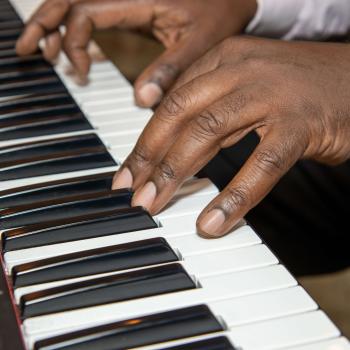
Speaking Poetry: Exploring Sonic Patterns Through Performance
Grades
9 - 12
|
Lesson Plan
|
Standard Lesson
Speaking Poetry: Exploring Sonic Patterns Through Performance

Using their voices as interpretive instruments, students gain a deeper appreciation of the art of poetry as they prepare a recitation of the frequently anthologized poem "Those Winter Sundays."

Literacy Centers: Getting Started
Grades
K - 2
|
Lesson Plan
|
Recurring Lesson
Literacy Centers: Getting Started
This lesson gives teachers resources and guidance to create reading, listening, computer, and poetry Literacy Centers in their own classrooms.
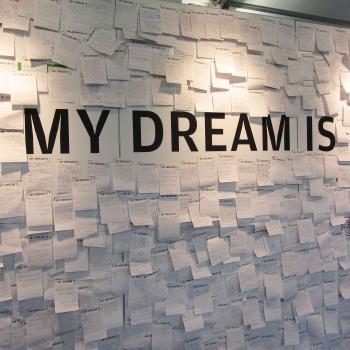
Entering History: Nikki Giovanni and Martin Luther King, Jr.
Grades
6 - 8
|
Lesson Plan
|
Standard Lesson
Entering History: Nikki Giovanni and Martin Luther King, Jr.
Nikki Giovanni's poem "The Funeral of Martin Luther King, Jr." is paired with Dr. King's "I Have a Dream" speech, taking students on a quest through time to the Civil Rights movement.

Grades
K - 2
|
Lesson Plan
|
Standard Lesson
A Bear of a Poem: Composing and Performing Found Poetry
Children find favorite words, phrases, and sentences from familiar stories. Working together, they combine their words and phrases to create a poem. The poem is then shared as performance poetry.
Grades
1 - 2
|
Lesson Plan
|
Standard Lesson
Acrostic Poems: All About Me and My Favorite Things

Students create acrostic poems using their names and the names of things that are important to them.
Grades
K - 2
|
Lesson Plan
|
Standard Lesson
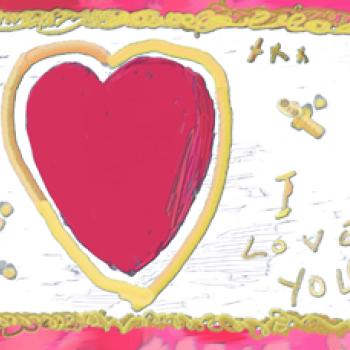
Writing Poetry with Rebus and Rhyme
This lesson encourages students to use rhyming words to write rebus poetry modeled on rebus books, which substitute pictures for the words that young students cannot yet identify or decode.
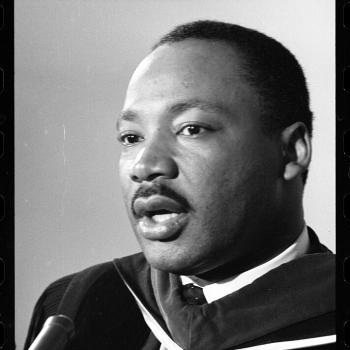
Exploring the Power of Martin Luther King, Jr.'s Words through Diamante Poetry
Grades
9 - 12
|
Lesson Plan
|
Standard Lesson
Exploring the Power of Martin Luther King, Jr.'s Words through Diamante Poetry

Students explore the ways that powerful and passionate words communicate the concepts of freedom, justice, discrimination, and the American Dream in Martin Luther King, Jr.'s "I Have a Dream" speech.

Talking Poetry with Blabberize
Grades
4 - 8
|
Lesson Plan
|
Standard Lesson
Talking Poetry with Blabberize

Students will be motivated to share their poetry through an online tool the features recording and animation.
Active Reading through Self-Assessment: The Student-Made Quiz
Grades
6 - 12
|
Lesson Plan
|
Recurring Lesson
Active Reading through Self-Assessment: The Student-Made Quiz

This recurring lesson encourages students to comprehend their reading through inquiry and collaboration. They choose important quotations from the text and work in groups to formulate "quiz" questions that their peers will answer.

Exploring Perspectives on Desegregation Using <i>Brown Girl Dreaming</i>
Grades
5 - 9
|
Lesson Plan
|
Standard Lesson
Exploring Perspectives on Desegregation Using Brown Girl Dreaming
Students read and discuss a selection of poems from Jacqueline Woodson's Brown Girl Dreaming to explore varying views on the process of desegregation in America.

Dr. Seuss's Sound Words: Playing with Phonics and Spelling
Grades
K - 2
|
Lesson Plan
|
Standard Lesson
Dr. Seuss's Sound Words: Playing with Phonics and Spelling
Boom! Br-r-ring! Cluck! Moo!—Everywhere you turn, you find exciting sounds. Students use these sounds to write their own poems based on Dr. Seuss's Mr. Brown Can MOO! Can You?
Growing Readers and Writers with Help from Mother Goose
Grades
K
|
Lesson Plan
|
Recurring Lesson
Growing Readers and Writers with Help from Mother Goose
Watch Mother Goose work her magic! This lesson uses nursery rhymes to help emergent readers remember the letters and their sounds and identify word chunks.
Using the Think-Pair-Share Technique
Grades
Grades
K - 12
|
Strategy Guide
Using the Think-Pair-Share Technique
In this strategy guide, you will learn how to organize students and classroom topics to encourage a high degree of classroom participation and assist students in developing a conceptual understanding of a topic through the use of the Think-Pair-Share technique.

Socratic Seminars
Grades
Grades
6 - 12
|
Strategy Guide
Socratic Seminars
This strategy guide explains Socratic seminars and offers practical methods for applying the approach in your classroom to help students investigate multiple perspectives in a text.

Shhh! Bear's Sleeping: Learning About Nonfiction and Fiction Using Read-Alouds
Grades
Grades
3 - 8
|
Strategy Guide
Using the Jigsaw Cooperative Learning Technique

In this strategy guide, you will learn how to organize students and texts to allow for learning that meets the diverse needs of students but keeps student groups flexible.

Teaching with Zooming Slideshows through Prezi
Grades
Grades
6 - 12
|
Strategy Guide
Teaching with Zooming Slideshows through Prezi
Through Prezi, a web application, students create "zooming" presentations for various purposes, such as presenting research, defending an opinion, or sharing a digital story.

Bringing Lessons to Life with Animoto
Grades
Grades
5 - 12
|
Strategy Guide
Bringing Lessons to Life with Animoto
Using Animoto, a free Web 2.0 tool, students can develop short digital videos that include music, photos, video clips, and text as well as share their creations electronically.

6 - 12

Write an Illustrated “I Am” Poem in Comic-Book Style

Teaching Comics
Swish! Pow! Whack! Teaching Onomatopoeia Through Sports Poetry
Grades
6 - 8
|
Lesson Plan
|
Standard Lesson
Swish! Pow! Whack! Teaching Onomatopoeia Through Sports Poetry
Students explore poetry about sports, looking closely at the use of onomatopoeia. After viewing a segment of a sporting event, students create their own onomatopoeic sports poems.

Pagination

  • Page 1
  • Page 2
  • Next page ››
  • Last page Last »

Explore Resources by Grade

  • KindergartenK
  • 1-2
  • 3-4
  • 5-6
  • 7-8
  • 9-10
  • 11-12

RWT-logo

Powered By NCTE

Footer 1 Menu

  • About
  • Classroom Resources
  • Professional Development
  • Collections
  • Contact Us

Footer 2 Menu

  • National Council of Teachers of English
  • Contribute to RWT
  • FAQs
  • Join NCTE

Footer 3 Menu

  • Legal Notices
  • Privacy Policy
  • Promotional Materials
  • Site Demonstrations

Want to stay in touch with RWT and NCTE? Sign up here!

  • Facebook
  • Twitter
  • Instagram
  • Pinterest
  • YouTube

© NCTE 2026. All rights reserved