Character Perspective Charting allows students to compare multiple characters and their points of view to better understand a story.

Charting Characters for a More Complete Understanding of the Story

I've Got the Literacy Blues
Students will be singing the blues in this lesson in which they identify themes from "The Gift of the Magi" and write and present blues poetry based on those themes.
Using the Four-Square Strategy to Define and Identify Poetic Terms
How do poets play with language? Students will explore some answers to this question as they search through poems for examples of alliteration, assonance, simile, and rhyme.
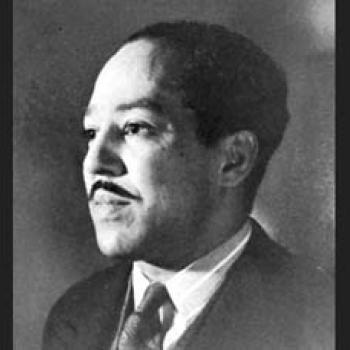
Discovering a Passion for Poetry With Langston Hughes
Through a study of Langston Hughes' poetry, students connect his writing to his place in history.
The Big Green Monster Teaches Phonics in Reading and Writing
A big green monster helps students build their reading fluency and word recognition skills through choral reading, literacy center activities, and writing stories.

Creating a Classroom Newspaper
Students write authentic newspaper stories, including learning about various aspects of newspapers, such as writing an article, online articles, newspaper reading habits, and layout and design techniques.
Guided Comprehension: Evaluating Using the Meeting of the Minds Technique
Based on the Guided Comprehension Model developed by Maureen McLaughlin and Mary Beth Allen, this lesson introduces students to the strategy of evaluating, using the Meeting of the Minds technique.
Teaching Audience Through Interactive Writing
Through interactive writing, students work together and then independently to create invitation letters for a group of their peers and their families.

Guided Comprehension: Knowing How Words Work Using Semantic Feature Analysis
Based on the Guided Comprehension Model developed by Maureen McLaughlin and Mary Beth Allen, this lesson introduces students to the comprehension strategy of knowing how words work.

Guided Comprehension: Previewing Using an Anticipation Guide
Based on the Guided Comprehension Model developed by Maureen McLaughlin and Mary Beth Allen, this lesson introduces students to the comprehension strategy of previewing.
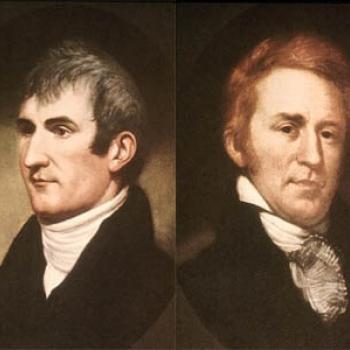
Exploring Cross-Age Tutoring Activities With Lewis and Clark
Interaction and adventure draws high school and elementary school students together as they analyze stories about the Lewis and Clark expedition.

Magazine Redux: An Exercise in Critical Literacy
Paper and pixels get compared in this lesson in which students compare both printed and online versions of a magazine.

Critical Reading: Two Stories, Two Authors, Same Plot?
Students make predictions about the stories and analyze story elements, compare and contrast the different stories, distinguish between fact and opinion, and draw conclusions supported by evidence from their readings.

What Did They Say? Dialect in The Color Purple
Y'all set down a spell and learn ‘bout dialects!" In other words, your students will use The Color Purple to explore dialect and how it reveals information about the characters.

Teaching Point of View With Two Bad Ants
Students will be crawling all over this assignment when they use illustrations and text to learn about life from a bug's point of view.

Diagram It! Identifying, Comparing, and Writing About Nonfiction Texts
Students compare the traits fact and fiction by using a Venn diagram to compare fiction and nonfiction books about Native Americans.
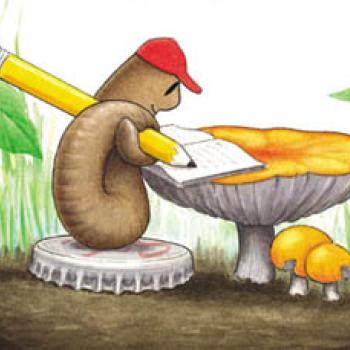
Fact or Fiction: Learning About Worms Using Diary of a Worm
Students often believe that fiction writers make everything up, seldom realizing how research worms its way into entertaining writing. In this lesson, students read Diary of a Worm to find out how fact merges with fiction.

Going on a Shape Hunt: Integrating Math and Literacy
Students participate in a scavenger hunt for shapes; reading, writing, and discussion of shapes encourage literacy and math skills.
Word Maps: Developing Critical and Analytical Thinking About Literary Characters
Students read "After Twenty Years" by O. Henry, use a word map to identify characters' qualities or traits, discuss the characters' feelings and actions, and reflect upon these in journals.
Q is for Duck: Using Alphabet Books With Struggling Writers
A is for zoo? Q is for duck? The alphabet as students know it is transformed when students create a class book that contains clever associations for each letter of the alphabet.