What wonderful ways words work! The parts of speech are the highlight of this lesson in which students identify parts of speech in a nonsensical poem and then create their own wild and wacky rhymes.
The Magnetism of Language: Parts of Speech, Poetry, and Word Play
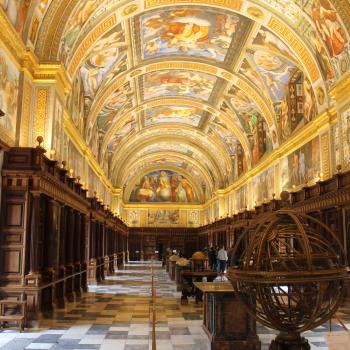
A World of Readers: Libraries Around the World
Bookworms will enjoy the bytes they find in this lesson as they research and share information about online library services in places around the world.
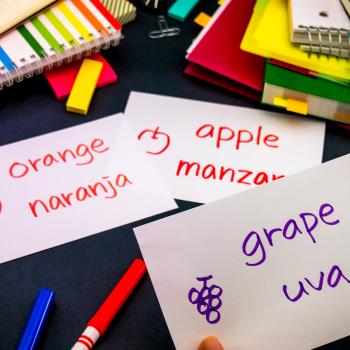
Let's Read It Again: Comprehension Strategies for English-Language Learners
Help Spanish-speaking English-language learners unlock the mysteries of their new language by using a bilingual book to recognize unfamiliar words and construct meaning from the text.

Guided Comprehension in Action: Teaching Summarizing With the Bio-Cube
Students learn the ins and outs of writing biographies by researching a contemporary or historical figure and writing a summary.

Casting Shadows Across Literacy and Science
Shadows, shadows, everywhere! In this lesson, students read fiction, informational text, and poetry about shadows to extend their knowledge of the concept before casting their own shadow poetry.
Zines for Kids: Multigenre Texts About Media Icons
Special edition! Students use ReadWriteThink tools to create magazines about prominent figures using a variety of writing genres and styles.
Poetry Portfolios: Using Poetry to Teach Reading
Teach your students about sentence structure, rhyming words, sight words, vocabulary, and print concepts using a weekly poem.
Lights, Camera, Action: Interviewing a Book Character
Students get the inside scoop on a story when they create interview questions and answers for characters in the books they read.

Alaska Native Stories: Using Narrative to Introduce Expository Text
Tradition and technology come together in this lesson in which students learn about Alaskan animals through Native American tales and their own online research.
Multimedia Responses to Content Area Topics Using Fact-"Faction"-Fiction
Students climb into the mind of a spider in this lesson that asks them to compose a spider diary using spider facts, fiction, and "faction"fiction that sounds like fact.
From Fact to Fiction: Drawing and Writing Stories
Students gather factual information about frogs and toads to create nonfiction and fiction stories. Drawing is used for prewriting.

Exploring World Cultures Through Folk Tales
Journey around the world with students as they read a Japanese, African, or Welsh folk tale, create a visual depiction of the tale, research the tale's culture, and present findings.

In the Poet's Shoes: Performing Poetry and Building Meaning
Students take poetic license when they interpret William Carlos William's poem "The Red Wheelbarrow" to help create a poem of their own.

Protecting Our Precious Planet: Sharing the Message of Earth Day
Students discover that they can make a world of difference when they participate in the online Earth Day bag program.
Building a Learning Community: Crafting Rules for the Classroom
Students will learn to mind their ps and qs in this lesson on etiquette and appropriate behavior in the classroom.

A-Z: Learning About the Alphabet Book Genre
Students increase their understanding of alphabet books by participating in a variety of reading and writing activities.
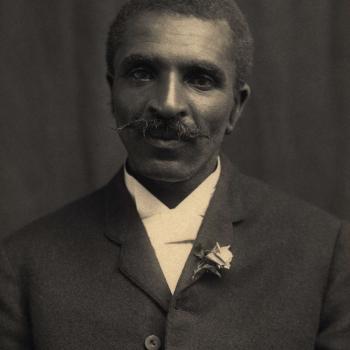
Great American Inventors: Using Nonfiction to Learn About Technology Inventions
Who are the people behind the world's greatest inventions? Students read biographies of a terrific trio of American inventors and create presentations that highlight how their inventions from the past impacted the future.

Using Picture Books to Explore Identity, Stereotyping, and Discrimination
Students analyze the concepts of identity, stereotyping, and discrimination by reading picture books; identify how these concepts are dealt with in each book; and discuss concrete actions to stop discrimination.

My Family Traditions: A Class Book and a Potluck Lunch
After analyzing Family Pictures/Cuadros de Familia by Carmen Lomas Garza, students create a class book with artwork and information about their ancestry, traditions, and recipes, followed by a potluck lunch.
Storytelling in the Social Studies Classroom
People make the past come alive as students research and then share stories about famous Americans who promoted democratic ideals.