ReadWriteThink - Powered by NCTE
  • About
  • Classroom Resources
    • Lesson Plans
    • Teaching Comics
    • Teaching With Primary Resources
    • Calendar
    • Printouts
    • Student Interactives
  • Collections
    • Assessment
    • Authors
    • Booklists
    • Media Literacy
    • Poetry
    • Primary Sources
    • Writing
  • Professional Development
    • Strategy Guides
    • Professional Library
    • Meetings & Events
  • Join NCTE
  • Contact Us
  • About
  • Classroom Resources
    • Lesson Plans
    • Teaching Comics
    • Teaching With Primary Resources
    • Calendar
    • Printouts
    • Student Interactives
  • Collections
    • Assessment
    • Authors
    • Booklists
    • Media Literacy
    • Poetry
    • Primary Sources
    • Writing
  • Professional Development
    • Strategy Guides
    • Professional Library
    • Meetings & Events
  • Join NCTE
  • Contact Us
  • Facebook
  • Twitter
  • Instagram
  • Pinterest
  • YouTube

Breadcrumb

  1. Home

Type

  • Classroom Resources
  • Professional Development

Grades

  • 1 (74)
  • 2 (74)
  • 3 (131)
  • 4 (138)
  • 5 (162)
  • 6 (262)
  • 7 (265)
  • 8 (267)
  • 9 (288)
  • 10 (285)
  • 11 (274)
  • 12 (273)
  • K (70)

Learning Objectives

  • (-) multimodal literacy (260)
  • (-) reading genres (290)
  • collaboration (458)
  • Comprehension (508)
  • critical thinking (649)
  • digital literacy (154)
  • Grammar (57)
  • inquiry / research (350)
  • listening (182)
  • literary analysis (367)
  • Media literacy (205)
  • metacognition (302)
  • multicultural awareness (113)
  • oral communication (224)
  • phonological awareness (61)
  • print awareness (89)
  • reading fluency (67)
  • Spelling (51)
  • text structure / story structure (242)
  • Vocabulary (191)
  • writing genres (382)
  • writing process (421)

Topics

  • arts
  • careers
  • community
  • drama
  • ELL
  • Family
  • fiction
  • Mathematics
  • Mobile Learning
  • nonfiction
  • poetry
  • science
  • seasons / holidays
  • social action
  • social studies / history
  • Sports
  • STEM
Book Report Alternative:  Sharing Info from Informational Reading
Grades
5 - 8
|
Lesson Plan
|
Standard Lesson
Book Report Alternative: Sharing Info from Informational Reading
Reporting on an informational book doesn't have to be boring! Instead of the traditional book report format, students create newspapers using a Printing Press interactive to share what they have learned from reading informational books.

Persuade Me in Five Slides!  Creating Persuasive Digital Stories
Grades
6 - 12
|
Lesson Plan
Persuade Me in Five Slides! Creating Persuasive Digital Stories
After students write persuasive essays, use this lesson to challenge them to summarize their essays concisely by creating five-slide presentations.

Making the Cut: Revising Memoirs by Detecting Clutter and Confusion
Grades
6 - 10
|
Lesson Plan
|
Standard Lesson
Making the Cut: Revising Memoirs by Detecting Clutter and Confusion
Students improve a slide show by removing pictures. Their reasons for cutting pictures are translated into revision guidelines for cutting unnecessary words and sections from their rough drafts.
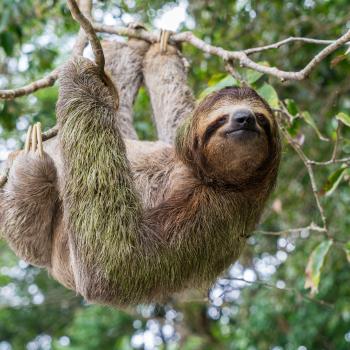
Investigating Animals: Using Nonfiction for Inquiry-based Research
Grades
K - 2
|
Lesson Plan
|
Unit
Investigating Animals: Using Nonfiction for Inquiry-based Research
Inspired by their curiosity about animals, students work together to research an animal of their choice and present the information they gather to an authentic audience.
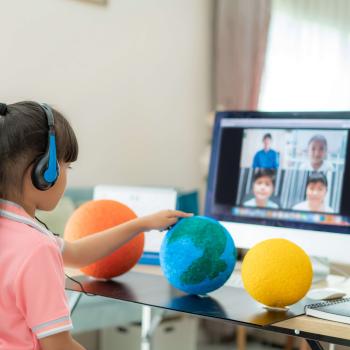
Adventures in Nonfiction: A Guided Inquiry Journey
Grades
K - 2
|
Lesson Plan
|
Standard Lesson
Adventures in Nonfiction: A Guided Inquiry Journey
Students are guided through an informal exploration of nonfiction texts and child-oriented Websites, learning browsing and skimming techniques for the purpose of gathering interesting information.

Grades
K
|
Lesson Plan
|
Standard Lesson
A Getting-Acquainted Activity Using My Teacher's Secret Life
Students build classroom community as they get to know each other and their teacher better by sharing what they like to do outside school.

Audience, Purpose, and Language Use in Electronic Messages
Grades
6 - 8
|
Lesson Plan
|
Minilesson
Audience, Purpose, and Language Use in Electronic Messages

Students explore using electronic messaging and Internet abbreviations for specific purposes and examine the importance of using a more formal style of writing based on their audience.

Book Report Alternative: Character and Author Business Cards
Grades
6 - 8
|
Lesson Plan
|
Standard Lesson
Book Report Alternative: Character and Author Business Cards
Students respond to a book they have read by thinking symbolically to create a business card for one of the characters.
Book Reviews, Annotation, and Web Technology
Grades
6 - 8
|
Lesson Plan
|
Unit
Book Reviews, Annotation, and Web Technology
Students work in groups to create annotated book reviews with links to topics of interest related to their book.

Powerful Writing: Description in Creating Monster Trading Cards
Grades
3 - 5
|
Lesson Plan
|
Standard Lesson
Powerful Writing: Description in Creating Monster Trading Cards
Students create their own monster trading cards using "powerful," vivid language to describe their creatures.
Choose Your Own Adventure: A Hypertext Writing Experience
Grades
6 - 8
|
Lesson Plan
|
Unit
Choose Your Own Adventure: A Hypertext Writing Experience
Students analyze "choose your own adventure" stories and brainstorm to develop setting, characters, and plots for their own adventures stories and related Websites.
A Picture's Worth a Thousand Words: From Image to Detailed Narrative
Grades
6 - 8
|
Lesson Plan
|
Standard Lesson
A Picture's Worth a Thousand Words: From Image to Detailed Narrative

The old cliche, "A picture is worth a thousand words" is put to the test when students write their own narrative interpretations of events shown in an image.

Writing a Flashback and Flash-Forward Story Using Movies and Texts as Models
Grades
6 - 8
|
Lesson Plan
|
Standard Lesson
Writing a Flashback and Flash-Forward Story Using Movies and Texts as Models
Using the film The Sandlot, students are introduced to the literary devices of flashbacks and flash-forwards. They then write their own stories using those devices.
It Doesn't Have to End That Way: Using Prediction Strategies with Literature
Grades
K - 2
|
Lesson Plan
|
Minilesson
It Doesn't Have to End That Way: Using Prediction Strategies with Literature
After listening to the beginning of a story, students use details in the text, personal experience, and prior knowledge to predict the way the story will end.
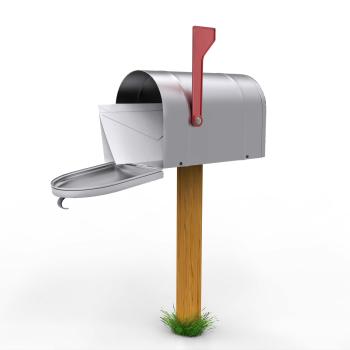
Who's Got Mail? Using Literature to Promote Authentic Letter Writing
Grades
3 - 5
|
Lesson Plan
|
Standard Lesson
Who's Got Mail? Using Literature to Promote Authentic Letter Writing
Students discuss and chart letter elements and write their own letters to adults at school, reinforcing letter-writing skills beyond the classroom lesson.
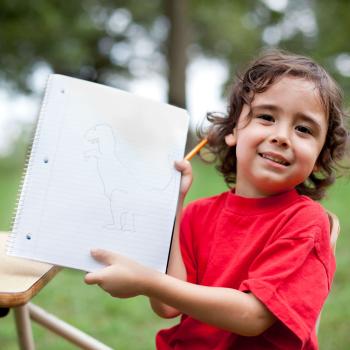
Writing Reports in Kindergarten? Yes!
Grades
K
|
Lesson Plan
|
Unit
Writing Reports in Kindergarten? Yes!
This lesson encourages young students to see themselves as writers with a message to convey. Three types of reports are provided to show what kindergartners and emergent writers can do.
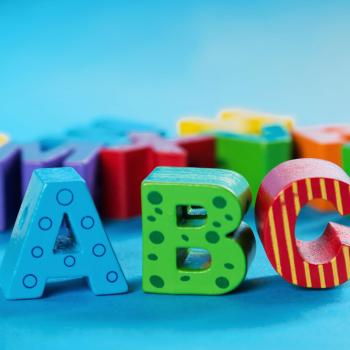
Using Repetition and Picture Cues to Foster Independent Young Readers
Grades
K
|
Lesson Plan
|
Minilesson
Using Repetition and Picture Cues to Foster Independent Young Readers
Kindergartners share their knowledge of letters and sounds in a large group setting, giving teachers an assessment opportunity. Each student contributes a page to make a repetitive classroom book.
Story Character Homepage
Grades
6 - 8
|
Lesson Plan
|
Unit
Story Character Homepage
Students analyze personal homepages, as well as a character in a book they have read, and then create a homepage for the character.

Get the Reel Scoop: Comparing Books to Movies
Grades
3 - 5
|
Lesson Plan
Get the Reel Scoop: Comparing Books to Movies
Students compare a book to its film adaptation, and then perform readers theater of a scene from the book that they feel was not well represented in the movie version.
Draw a Story: Stepping from Pictures to Writing
Grades
K - 1
|
Lesson Plan
|
Standard Lesson
Draw a Story: Stepping from Pictures to Writing
Students draw a series of pictures that tell a story, including character action, problem and solution. They ‘read' their story to others, transcribe it into writing, and create an accordion book.

Pagination

  • First page « First
  • Previous page ‹‹
  • …
  • Page 4
  • Page 5
  • Page 6
  • Page 7
  • Page 8
  • Page 9
  • Page 10
  • Page 11
  • Page 12
  • …
  • Next page ››
  • Last page Last »

Explore Resources by Grade

  • KindergartenK
  • 1-2
  • 3-4
  • 5-6
  • 7-8
  • 9-10
  • 11-12

RWT-logo

Powered By NCTE

Footer 1 Menu

  • About
  • Classroom Resources
  • Professional Development
  • Collections
  • Contact Us

Footer 2 Menu

  • National Council of Teachers of English
  • Contribute to RWT
  • FAQs
  • Join NCTE

Footer 3 Menu

  • Legal Notices
  • Privacy Policy
  • Promotional Materials
  • Site Demonstrations

Want to stay in touch with RWT and NCTE? Sign up here!

  • Facebook
  • Twitter
  • Instagram
  • Pinterest
  • YouTube

© NCTE 2026. All rights reserved