ReadWriteThink - Powered by NCTE
  • About
  • Classroom Resources
    • Lesson Plans
    • Teaching Comics
    • Teaching With Primary Resources
    • Calendar
    • Printouts
    • Student Interactives
  • Collections
    • Assessment
    • Authors
    • Booklists
    • Media Literacy
    • Poetry
    • Primary Sources
    • Writing
  • Professional Development
    • Strategy Guides
    • Professional Library
    • Meetings & Events
  • Join NCTE
  • Contact Us
  • About
  • Classroom Resources
    • Lesson Plans
    • Teaching Comics
    • Teaching With Primary Resources
    • Calendar
    • Printouts
    • Student Interactives
  • Collections
    • Assessment
    • Authors
    • Booklists
    • Media Literacy
    • Poetry
    • Primary Sources
    • Writing
  • Professional Development
    • Strategy Guides
    • Professional Library
    • Meetings & Events
  • Join NCTE
  • Contact Us
  • Facebook
  • Twitter
  • Instagram
  • Pinterest
  • YouTube

Breadcrumb

  1. Home

Type

  • Classroom Resources
  • Professional Development

Grades

  • 1 (15)
  • 2 (15)
  • 3 (18)
  • 4 (19)
  • 5 (25)
  • 6 (46)
  • 7 (49)
  • 8 (50)
  • 9 (46)
  • 10 (46)
  • 11 (44)
  • 12 (44)
  • K (16)

Learning Objectives

  • (-) reading genres (89)
  • collaboration (101)
  • Comprehension (132)
  • critical thinking (164)
  • digital literacy (39)
  • Grammar (4)
  • inquiry / research (131)
  • listening (36)
  • literary analysis (62)
  • Media literacy (45)
  • metacognition (84)
  • multicultural awareness (37)
  • multimodal literacy (55)
  • oral communication (55)
  • phonological awareness (2)
  • print awareness (30)
  • reading fluency (10)
  • Spelling (5)
  • text structure / story structure (64)
  • Vocabulary (41)
  • writing genres (94)

Topics

  • (-) nonfiction
  • arts
  • careers
  • community
  • drama
  • ELL
  • Family
  • fiction
  • Mathematics
  • Mobile Learning
  • poetry
  • science
  • seasons / holidays
  • social action
  • social studies / history
  • Sports
  • STEM
Telling a Story About Me: Young Children Write Autobiographies
Grades
K - 2
|
Lesson Plan
|
Unit
Telling a Story About Me: Young Children Write Autobiographies
Students tell their life stories in this lesson about autobiographies based on family photographs.

A Biography Study: Using Role-Play to Explore Authors' Lives
Grades
9 - 12
|
Lesson Plan
|
Standard Lesson
A Biography Study: Using Role-Play to Explore Authors' Lives
Students read biographies and explore websites of selected American authors and then role-play as the authors.
Predicting and Gathering Information With Nonfiction Texts
Grades
K - 2
|
Lesson Plan
|
Unit
Predicting and Gathering Information With Nonfiction Texts
Students take a walk on the wild side when they develop an understanding of nonfiction texts with hands-on experiences and intense analysis.
Grades
3 - 5
|
Lesson Plan
|
Standard Lesson
Developing a Living Definition of Reading in the Elementary Classroom
Using the guiding question, "What is reading?" students interact with a variety of texts as they uncover the skills necessary to interact with texts and develop a definition of reading.
Beyond History Books: Researching With Twin Texts and Technology
Grades
4 - 8
|
Lesson Plan
Beyond History Books: Researching With Twin Texts and Technology
Students in grades 4–8 activate prior knowledge and research information about a historic event through fiction and nonfiction literature and exploration of relevant websites.

Seeking Social Justice Through Satire: Jonathan Swift's "A Modest Proposal"
Grades
10 - 12
|
Lesson Plan
|
Unit
Seeking Social Justice Through Satire: Jonathan Swift's "A Modest Proposal"
This lesson assists advanced students in grades 10–12 in comprehending Jonathan Swift's "A Modest Proposal" and developing a presentation to satirize a contemporary social issue.

What is Poetry? Contrasting Poetry and Prose
Grades
6 - 8
|
Lesson Plan
|
Standard Lesson
What is Poetry? Contrasting Poetry and Prose

Students often find poetry frustrating and meaningless. By helping students think critically about the differences between poetry and prose, this introduction sets the stage for different strategies for comprehending poetic texts.

When I Was Young In...A Literature to Language Experience
Grades
6 - 8
|
Lesson Plan
|
Unit
When I Was Young In...A Literature to Language Experience
Past meets present in this lesson in which students practice verb tense when they write personal short stories that they then publish in a flip book.

The Connection Between Poetry and Music
Grades
3 - 5
|
Lesson Plan
|
Standard Lesson
The Connection Between Poetry and Music
Students won't miss a beat in this reading fluency lesson that combines music and poetry.

Grades
6 - 8
|
Lesson Plan
|
Unit
Exploring and Sharing Family Stories
Writing gets personal when students interview family members in order to write a personal narrative about that person.
Guided Comprehension in Action: Teaching Summarizing With the Bio-Cube
Grades
6 - 8
|
Lesson Plan
|
Recurring Lesson
Guided Comprehension in Action: Teaching Summarizing With the Bio-Cube

Students learn the ins and outs of writing biographies by researching a contemporary or historical figure and writing a summary.
Zines for Kids: Multigenre Texts About Media Icons
Grades
3 - 5
|
Lesson Plan
|
Unit
Zines for Kids: Multigenre Texts About Media Icons
Special edition! Students use ReadWriteThink tools to create magazines about prominent figures using a variety of writing genres and styles.
Multimedia Responses to Content Area Topics Using Fact-"Faction"-Fiction
Grades
3 - 5
|
Lesson Plan
|
Standard Lesson
Multimedia Responses to Content Area Topics Using Fact-"Faction"-Fiction

Students climb into the mind of a spider in this lesson that asks them to compose a spider diary using spider facts, fiction, and "faction"—fiction that sounds like fact.

From Fact to Fiction: Drawing and Writing Stories
Grades
K - 2
|
Lesson Plan
|
Unit
From Fact to Fiction: Drawing and Writing Stories
Students gather factual information about frogs and toads to create nonfiction and fiction stories. Drawing is used for prewriting.
In the Poet's Shoes: Performing Poetry and Building Meaning
Grades
6 - 8
|
Lesson Plan
|
Unit
In the Poet's Shoes: Performing Poetry and Building Meaning
Students take poetic license when they interpret William Carlos William's poem "The Red Wheelbarrow" to help create a poem of their own.
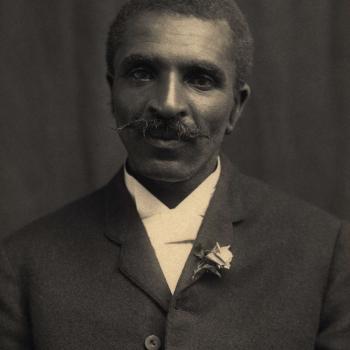
Great American Inventors: Using Nonfiction to Learn About Technology Inventions
Grades
3 - 5
|
Lesson Plan
|
Standard Lesson
Great American Inventors: Using Nonfiction to Learn About Technology Inventions
Who are the people behind the world's greatest inventions? Students read biographies of a terrific trio of American inventors and create presentations that highlight how their inventions from the past impacted the future.
Exploring Author's Voice Using Jane Addams Award-Winning Books
Grades
6 - 8
|
Lesson Plan
|
Unit
Exploring Author's Voice Using Jane Addams Award-Winning Books
History has many faces in this lesson in which students read Jane Addams Award-winning books to learn about peace, social justice, world community, and equality.
Elie Wiesel was born on September 30, 1928.
Grades
7 - 12
|
Calendar Activity
|
Author & Text
Elie Wiesel was born on September 30, 1928.
Students compare and contrast two views of the Holocaust from different authors. Students may also research stories of other survivors who may or may not be published and create a presentation on this survivor.
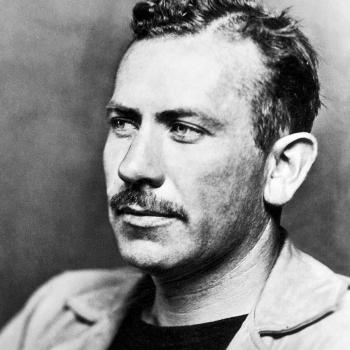
In 1902, John Steinbeck was born.
Grades
9 - 12
|
Calendar Activity
|
Author & Text
In 1902, John Steinbeck was born.
Students brainstorm a list of the ills of society, research a topic of their choosing, and then prepare an annotated bibliography of texts that address the topic.
<em>The New York Times</em> used the slogan "All the News That's Fit to Print."
Grades
7 - 12
|
Calendar Activity
|
Historical Figure & Event
The New York Times used the slogan "All the News That's Fit to Print."
After discussing newspapers and their different points of view, students choose a current event, read editorials on the event, and share them with the class to identify the editor's point of view.

Pagination

  • First page « First
  • Previous page ‹‹
  • Page 1
  • Page 2
  • Page 3
  • Page 4
  • Page 5
  • Next page ››
  • Last page Last »

Explore Resources by Grade

  • KindergartenK
  • 1-2
  • 3-4
  • 5-6
  • 7-8
  • 9-10
  • 11-12

RWT-logo

Powered By NCTE

Footer 1 Menu

  • About
  • Classroom Resources
  • Professional Development
  • Collections
  • Contact Us

Footer 2 Menu

  • National Council of Teachers of English
  • Contribute to RWT
  • FAQs
  • Join NCTE

Footer 3 Menu

  • Legal Notices
  • Privacy Policy
  • Promotional Materials
  • Site Demonstrations

Want to stay in touch with RWT and NCTE? Sign up here!

  • Facebook
  • Twitter
  • Instagram
  • Pinterest
  • YouTube

© NCTE 2026. All rights reserved