Graphic organizers assist the development of comparative vocabulary and generate discussions of analogy and metaphor in art as students go on a real or virtual tour of an art gallery.

Creative Communication Frames: Discovering Similarities between Writing and Art

Poetry Plus! Creating 21st Century Poems with Web Tools
This lesson encourages students to immerse themselves in poetry as they share their original poems orally and digitally with published poets and peers nationwide.
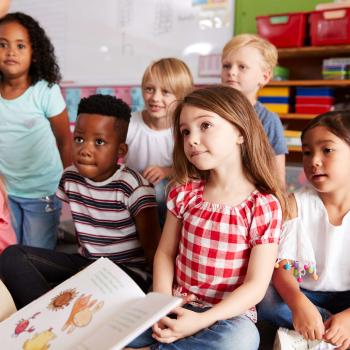
Amelia Bedelia Up Close! Closely Reading a Classic Story
Through a close reading of Amelia Bedelia, students reread the material to discuss text-dependent questions, promoting deep thinking about the text and its characters.
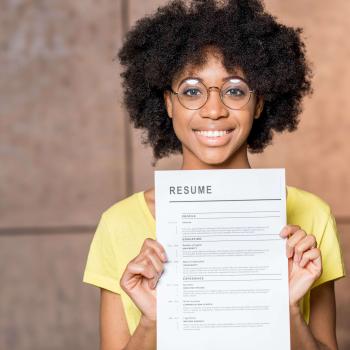
Resumes and Cover Letters for High School Students
High school students are taught how to use resumes and cover letters to highlight their skills and make them stand out, whether applying to college or for a job.
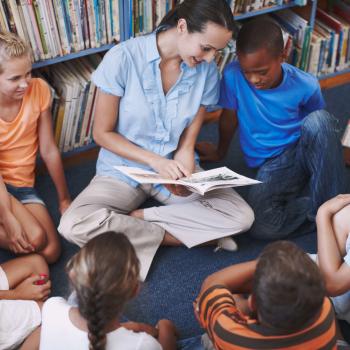
Using Story Innovation to Teach Fluency, Vocabulary, and Structure
An instructional strategy called story innovation teaches students fluency, comprehension, vocabulary, and story structure. This unique strategy can be adapted for many purposes.

Seeking Social Justice Through Satire: Jonathan Swift's "A Modest Proposal"
This lesson assists advanced students in grades 10–12 in comprehending Jonathan Swift's "A Modest Proposal" and developing a presentation to satirize a contemporary social issue.
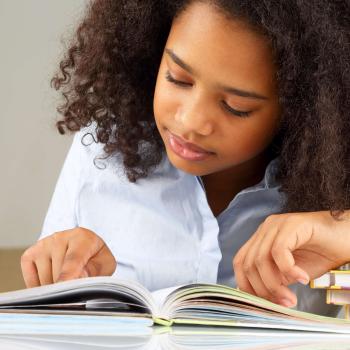
Creating a Feast for the Senses With Mentor Texts
This lesson teaches intermediate students to "use the experts" to learn how to revise to create sharp, sensory-rich experiences for their readers.
Playlist for Holden: Character Analysis With Music and Lyrics
Students compile a playlist of 10 songs representing a literary character and explain their choices based on the book's dialogue, plot, conflict, and resolution.

Engineering the Perfect Poem by Using the Vocabulary of STEM
Students research engineering careers and create poetry to understand the vocabulary of STEM (science, technology, engineering, and mathematics).
What is Poetry? Contrasting Poetry and Prose
Students often find poetry frustrating and meaningless. By helping students think critically about the differences between poetry and prose, this introduction sets the stage for different strategies for comprehending poetic texts.
Reading Through Different Lenses: Making Text Connections Across the Curriculum
Students learn to comprehend the linguistic text styles of different content areas and use the interactive ReadWriteThink Notetaker tool as the teacher models the exercise.

3-2-1 Vocabulary: Learning Filmmaking Vocabulary by Making Films
Bring the vocabulary of film to life through the processes of filmmaking. Students learn terminology and techniques simultaneously as they plan, film, and edit a short video.

e-Book Reading and Response: Innovative Ways to Engage with Texts
Students in grades 5 through 12 read and respond to electronic books by using e-book tools and features, including digital note-taking capabilities.
Using Children's Literature to Develop Classroom Community
Conversation and cooperation bring out the best in students when they hold dialogues about their individual strengths, abilities, and talents.

Lonely as a Cloud: Using Poetry to Understand Similes
Students identify similes in poetry and gain experience in using similes as a poetic device in their own work.
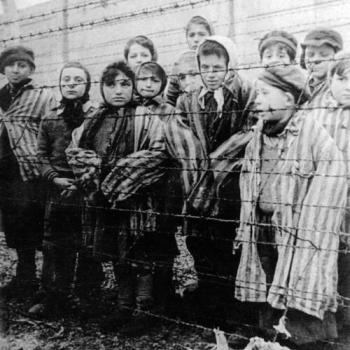
Using Technology to Analyze and Illustrate Symbolism in Night
Images have power—they can trigger memories or symbolize abstract ideas. Students put the power of images to the test as they analyze symbolism in Night and create symbolic photomontages.

Using Word Storms to Explore Vocabulary and Encourage Critical Thinking
Students learn that dogs are more than just pets in this lesson, which teaches them to use research and vocabulary-acquisition strategies to learn and write about working dogs.

Shared Poetry Reading: Teaching Print Concepts, Rhyme, and Vocabulary
The rhyme and reason behind this lesson is that students will need to develop important reading skills to increase their reading fluency.
Teaching About Story Structure Using Fairy Tales
From "once upon a time" to "happily ever after," students learn to recognize story structure in fairy tales and create a logical sequence of events when writing original stories.
How-To Writing: Motivating Students to Write for a Real Purpose
It's not easy surviving fourth grade (or third or fifth)! In this lesson, students brainstorm survival tips for future fourth graders and incorporate those tips into an essay.