ReadWriteThink - Powered by NCTE
  • About
  • Classroom Resources
    • Lesson Plans
    • Teaching Comics
    • Teaching With Primary Resources
    • Calendar
    • Printouts
    • Student Interactives
  • Collections
    • Assessment
    • Authors
    • Booklists
    • Media Literacy
    • Poetry
    • Primary Sources
    • Writing
  • Professional Development
    • Strategy Guides
    • Professional Library
    • Meetings & Events
  • Join NCTE
  • Contact Us
  • About
  • Classroom Resources
    • Lesson Plans
    • Teaching Comics
    • Teaching With Primary Resources
    • Calendar
    • Printouts
    • Student Interactives
  • Collections
    • Assessment
    • Authors
    • Booklists
    • Media Literacy
    • Poetry
    • Primary Sources
    • Writing
  • Professional Development
    • Strategy Guides
    • Professional Library
    • Meetings & Events
  • Join NCTE
  • Contact Us
  • Facebook
  • Twitter
  • Instagram
  • Pinterest
  • YouTube

Breadcrumb

  1. Home

Type

  • (-) Unit

Grades

  • 1 (5)
  • 2 (5)
  • 3 (5)
  • 4 (4)
  • 5 (4)
  • 6 (14)
  • 7 (14)
  • 8 (14)
  • 9 (24)
  • 10 (25)
  • 11 (25)
  • 12 (25)
  • K (5)

Learning Objectives

  • (-) literary analysis (48)
  • collaboration (66)
  • Comprehension (47)
  • critical thinking (55)
  • digital literacy (24)
  • Grammar (2)
  • inquiry / research (56)
  • listening (12)
  • Media literacy (27)
  • metacognition (11)
  • multicultural awareness (15)
  • multimodal literacy (42)
  • oral communication (25)
  • phonological awareness (1)
  • print awareness (10)
  • reading fluency (6)
  • reading genres (36)
  • Spelling (1)
  • text structure / story structure (22)
  • Vocabulary (11)
  • writing genres (41)
  • writing process (59)

Topics

  • arts
  • community
  • drama
  • Family
  • fiction
  • nonfiction
  • poetry
  • social action
  • social studies / history
Choose Your Own Adventure: A Hypertext Writing Experience
Grades
6 - 8
|
Lesson Plan
|
Unit
Choose Your Own Adventure: A Hypertext Writing Experience
Students analyze "choose your own adventure" stories and brainstorm to develop setting, characters, and plots for their own adventures stories and related Websites.
Story Character Homepage
Grades
6 - 8
|
Lesson Plan
|
Unit
Story Character Homepage
Students analyze personal homepages, as well as a character in a book they have read, and then create a homepage for the character.
Fairy Tales from Life
Grades
3 - 5
|
Lesson Plan
|
Unit
Fairy Tales from Life
Picture books provide the basis for an analysis of fairy tale elements before students write their own original tales.

Expository Escapade—Detective's Handbook
Grades
6 - 8
|
Lesson Plan
|
Unit
Expository Escapade—Detective's Handbook
Students create a Detective's Handbook based on a detective mystery they have read. The handbooks include expository and descriptive writing, as well as a letter.
Writing and Assessing an Autobiographical Incident
Grades
3 - 5
|
Lesson Plan
|
Unit
Writing and Assessing an Autobiographical Incident
Students build upon their knowledge of biographies to write their own autobiographical incident. After going through a process of revision, they use a rubric to assess their work.

9 - 12

Understanding Immigrants Through Comics: Great Immigrants, Great Americans Unit

Teaching Comics
Tracking the Ways Writers Develop Heroes and Villains
Grades
9 - 12
|
Lesson Plan
|
Unit
Tracking the Ways Writers Develop Heroes and Villains
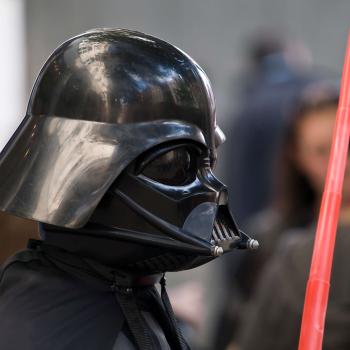
Everyone knows that Star Wars character Darth Vader is a villain. This lesson asks students to explore how they know such things about heroes and villains they encounter in texts.
The Ten-Minute Play: Encouraging Original Response to Challenging Texts
Grades
9 - 12
|
Lesson Plan
|
Unit
The Ten-Minute Play: Encouraging Original Response to Challenging Texts
Students use both analytical and creative skills to adapt passages from a novel with significant internal dialogue and conflict, such as Toni Morrison's Beloved, into a ten-minute play.
Having <em>My </em>Say: A Multigenre Autobiography Project
Grades
9 - 12
|
Lesson Plan
|
Unit
Having My Say: A Multigenre Autobiography Project

Students compose a multigenre paper, modeled after the Delany sister's autobiography, Having Our Say, that includes the autobiographical narrative essay as well as an informational nonfiction piece.

Cover to Cover: Comparing Books to Movies
Grades
6 - 8
|
Lesson Plan
|
Unit
Cover to Cover: Comparing Books to Movies
Students compare and analyze novels and the movies adapted from them. They design new DVD covers and a related insert for the movies, reflecting their response to the movie version.
Ekphrasis: Using Art to Inspire Poetry
Grades
9 - 12
|
Lesson Plan
|
Unit
Ekphrasis: Using Art to Inspire Poetry

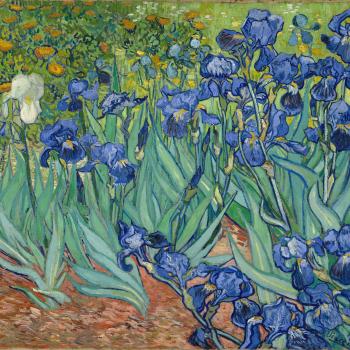
In this lesson, students explore ekphrasis—writing inspired by art. Students find pieces of art that inspire them and compose a booklet of poems about the pieces they have chosen.
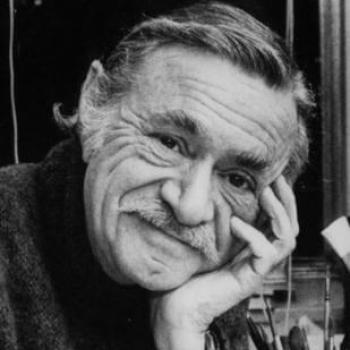
Creative Problem-Solving with Ezra Jack Keats
Grades
K - 2
|
Lesson Plan
|
Unit
Creative Problem-Solving with Ezra Jack Keats
Using books by Ezra Jack Keats as inspiration, students explore problems and solutions through read-alouds, discussion, and an interactive bulletin board.

The Children's Picture Book Project
Grades
9 - 12
|
Lesson Plan
|
Unit
The Children's Picture Book Project

In this lesson students evaluate published children's picture storybooks. Students then plan, write, illustrate, and publish their own children's picture books.
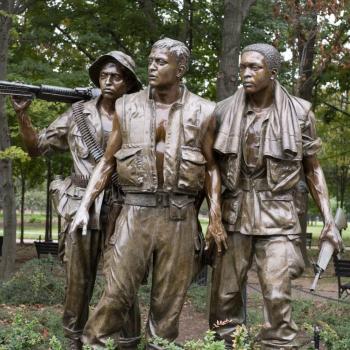
Love of War in Tim O'Brien's "How to Tell a True War Story"
Grades
9 - 12
|
Lesson Plan
|
Unit
Love of War in Tim O'Brien's "How to Tell a True War Story"
Students explore the theme of love of war through texts on camaraderie among soldiers. They then compose a visual collage depicting their beliefs about the relationship between love and war.

Grades
6 - 8
|
Lesson Plan
|
Unit
Plotting a Plan to Improve Writing: Using Plot Scaffolds
Students really get into character in this lesson as they act out the parts of a script and analyze character motivations and dialogue.

Grades
9 - 12
|
Lesson Plan
|
Unit
I've Got the Literacy Blues
Students will be singing the blues in this lesson in which they identify themes from "The Gift of the Magi" and write and present blues poetry based on those themes.
Diagram It! Identifying, Comparing, and Writing About Nonfiction Texts
Grades
K - 2
|
Lesson Plan
|
Unit
Diagram It! Identifying, Comparing, and Writing About Nonfiction Texts
Students compare the traits fact and fiction by using a Venn diagram to compare fiction and nonfiction books about Native Americans.
Grades
K - 2
|
Lesson Plan
|
Unit
Junie B. Jones Introduces Literacy Mystery Boxes
Like Junie B. Jones, students will be saying "Wait till you hear this" after listening to a Junie B. story and creating mystery boxes to help retell the story.

A High-Interest Novel Helps Struggling Readers Confront Bullying in Schools
Grades
9 - 12
|
Lesson Plan
|
Unit
A High-Interest Novel Helps Struggling Readers Confront Bullying in Schools
Students read a work of realistic fiction about bullying and gain understanding through writing, Readers Theatre, and discussion.

Seeking Social Justice Through Satire: Jonathan Swift's "A Modest Proposal"
Grades
10 - 12
|
Lesson Plan
|
Unit
Seeking Social Justice Through Satire: Jonathan Swift's "A Modest Proposal"
This lesson assists advanced students in grades 10–12 in comprehending Jonathan Swift's "A Modest Proposal" and developing a presentation to satirize a contemporary social issue.

Pagination

  • First page « First
  • Previous page ‹‹
  • Page 1
  • Page 2
  • Page 3
  • Next page ››
  • Last page Last »

Explore Resources by Grade

  • KindergartenK
  • 1-2
  • 3-4
  • 5-6
  • 7-8
  • 9-10
  • 11-12

RWT-logo

Powered By NCTE

Footer 1 Menu

  • About
  • Classroom Resources
  • Professional Development
  • Collections
  • Contact Us

Footer 2 Menu

  • National Council of Teachers of English
  • Contribute to RWT
  • FAQs
  • Join NCTE

Footer 3 Menu

  • Legal Notices
  • Privacy Policy
  • Promotional Materials
  • Site Demonstrations

Want to stay in touch with RWT and NCTE? Sign up here!

  • Facebook
  • Twitter
  • Instagram
  • Pinterest
  • YouTube

© NCTE 2026. All rights reserved