ReadWriteThink - Powered by NCTE
  • About
  • Classroom Resources
    • Lesson Plans
    • Teaching Comics
    • Teaching With Primary Resources
    • Calendar
    • Printouts
    • Student Interactives
  • Collections
    • Assessment
    • Authors
    • Booklists
    • Media Literacy
    • Poetry
    • Primary Sources
    • Writing
  • Professional Development
    • Strategy Guides
    • Professional Library
    • Meetings & Events
  • Join NCTE
  • Contact Us
  • About
  • Classroom Resources
    • Lesson Plans
    • Teaching Comics
    • Teaching With Primary Resources
    • Calendar
    • Printouts
    • Student Interactives
  • Collections
    • Assessment
    • Authors
    • Booklists
    • Media Literacy
    • Poetry
    • Primary Sources
    • Writing
  • Professional Development
    • Strategy Guides
    • Professional Library
    • Meetings & Events
  • Join NCTE
  • Contact Us
  • Facebook
  • Twitter
  • Instagram
  • Pinterest
  • YouTube

Breadcrumb

  1. Home

Type

  • Classroom Resources
  • Professional Development

Grades

  • 1 (11)
  • 2 (12)
  • 3 (52)
  • 4 (58)
  • 5 (92)
  • 6 (117)
  • 7 (134)
  • 8 (134)
  • 9 (137)
  • 10 (137)
  • 11 (134)
  • 12 (134)
  • K (8)

Learning Objectives

  • (-) critical thinking (201)
  • collaboration (109)
  • Comprehension (107)
  • digital literacy (35)
  • Grammar (5)
  • inquiry / research (141)
  • listening (41)
  • literary analysis (69)
  • Media literacy (68)
  • metacognition (93)
  • multicultural awareness (55)
  • multimodal literacy (59)
  • oral communication (66)
  • phonological awareness (2)
  • print awareness (22)
  • reading fluency (6)
  • reading genres (55)
  • Spelling (2)
  • text structure / story structure (33)
  • Vocabulary (23)
  • writing genres (78)
  • writing process (62)

Topics

  • (-) social studies / history
  • arts
  • careers
  • community
  • drama
  • ELL
  • Family
  • fiction
  • Mathematics
  • Mobile Learning
  • nonfiction
  • poetry
  • science
  • seasons / holidays
  • social action
  • Sports
  • STEM
Speak to Me: Teaching with Voki
Grades
Grades
6 - 12
|
Strategy Guide
Speak to Me: Teaching with Voki
Through Voki, a Web 2.0 tool, students create customizable avatars for class presentations for various purposes, such as presenting biographical information, expressing an opinion, or reading a poem.
6 - 12

Create a Comic Book Vignette of Immigration to the US

Teaching Comics
6 - 12

Questions All Around: A Collection of Questions for Graphic Novel Stories from Great Immigrants, Great Americans

Teaching Comics
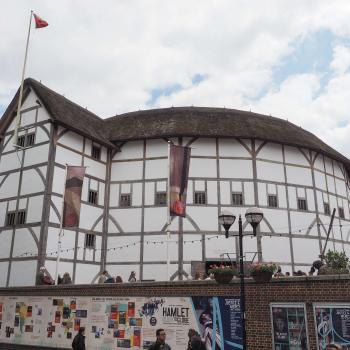
All's Well that Sells Well: A Creative Introduction to Shakespeare
Grades
9 - 12
|
Lesson Plan
|
Standard Lesson
All's Well that Sells Well: A Creative Introduction to Shakespeare
Students compare attending a performance at The Globe Theater with attending a modern theater production or movie. They then create a commercial for an Elizabethan audience promoting a modern product.

Technology and Copyright Law: A "Futurespective"
Grades
6 - 8
|
Lesson Plan
|
Standard Lesson
Technology and Copyright Law: A "Futurespective"
Students research and report on instances of how copyright laws have adapted to encompass new technologies. They write articles predicting copyright issues that may arise with new and future technologies.

Copyright Law: From Digital Reprints to Downloads
Grades
6 - 8
|
Lesson Plan
|
Standard Lesson
Copyright Law: From Digital Reprints to Downloads
Students investigate how and why copyright law has changed over time, and apply this information to recent copyright issues, creating persuasive arguments based on the perspective of a particular group.
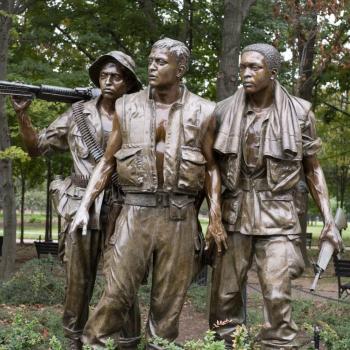
Love of War in Tim O'Brien's "How to Tell a True War Story"
Grades
9 - 12
|
Lesson Plan
|
Unit
Love of War in Tim O'Brien's "How to Tell a True War Story"
Students explore the theme of love of war through texts on camaraderie among soldiers. They then compose a visual collage depicting their beliefs about the relationship between love and war.
Reaching Across Time: Scaffolded Engagements With a 19th-Century Text
Grades
9 - 12
|
Lesson Plan
|
Standard Lesson
Reaching Across Time: Scaffolded Engagements With a 19th-Century Text
Students in the 21st century need to build background knowledge and fill in textual gaps to enter the unfamiliar world of "Bartleby the Scrivener: A Story of Wall Street."
Making It Visual for ELL Students: Teaching History Using <em>Maus</em>
Grades
9 - 12
|
Lesson Plan
|
Unit
Making It Visual for ELL Students: Teaching History Using Maus
Spark the engagement of English-language learners or reluctant readers with the graphic novel Maus. The visual information provided by the genre serves as a support for reading and critical engagement.
Cultural Connections and Writing for Change
Grades
3 - 5
|
Lesson Plan
|
Standard Lesson
Cultural Connections and Writing for Change

A little understanding can go a long way. After learning about difficulties that Palestinian youths face, students will write a letter to an official discussing these issues.

Grades
9 - 12
|
Lesson Plan
|
Standard Lesson
In the Style of Ernie Pyle: Reporting on World War II
Students will think this lesson should make the headlines when they finish researching Ernie Pyle's work in preparation for writing their own news articles.
Grades
9 - 12
|
Lesson Plan
|
Standard Lesson
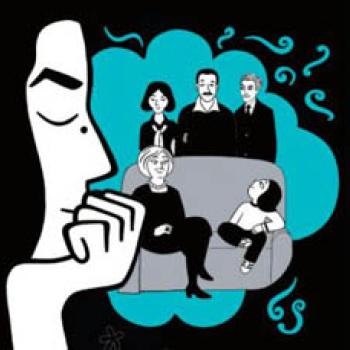
Pictures Tell the Story: Improving Comprehension With Persepolis
Students get the big picture of the Middle East when they read and analyze Marjane Satrapi's graphic novel Persepolis.
Grades
9 - 12
|
Lesson Plan
|
Standard Lesson
Exploring Disability Using Multimedia and the B-D-A Reading Strategy
History takes on new dimensions in this interactive multimedia lesson that emphasizes the B-D-A approach to research as students investigate the experiences of people with disabilities since the early 1800s.
Guided Comprehension: Monitoring Using the INSERT Technique
Grades
4 - 6
|
Lesson Plan
|
Recurring Lesson
Guided Comprehension: Monitoring Using the INSERT Technique
Based on the Guided Comprehension Model developed by Maureen McLaughlin and Mary Beth Allen, this lesson introduces students to the comprehension strategy of monitoring.
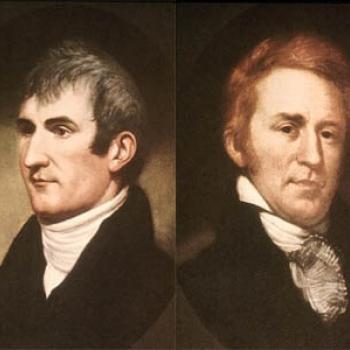
Exploring Cross-Age Tutoring Activities With Lewis and Clark
Grades
9 - 12
|
Lesson Plan
|
Standard Lesson
Exploring Cross-Age Tutoring Activities With Lewis and Clark
Interaction and adventure draws high school and elementary school students together as they analyze stories about the Lewis and Clark expedition.
Analyzing the Purpose and Meaning of Political Cartoons
Grades
9 - 12
|
Lesson Plan
|
Standard Lesson
Analyzing the Purpose and Meaning of Political Cartoons
It is important for students to know how to evaluate messages conveyed by the news media. Exploration of the artistic techniques used in political cartoons leads to critical questioning.

Diagram It! Identifying, Comparing, and Writing About Nonfiction Texts
Grades
K - 2
|
Lesson Plan
|
Unit
Diagram It! Identifying, Comparing, and Writing About Nonfiction Texts
Students compare the traits fact and fiction by using a Venn diagram to compare fiction and nonfiction books about Native Americans.

Vote for Me! Developing, Writing, and Evaluating Persuasive Speeches
Grades
4 - 5
|
Lesson Plan
|
Standard Lesson
Vote for Me! Developing, Writing, and Evaluating Persuasive Speeches
This lesson encourages students in grades 4 and 5 to think critically and write persuasively by focusing on preparing, presenting, and evaluating mock campaign speeches.
Developing Students' Critical Thinking Skills Through Whole-Class Dialogue
Grades
3 - 5
|
Lesson Plan
|
Standard Lesson
Developing Students' Critical Thinking Skills Through Whole-Class Dialogue
"That's my position and I'm sticking to it!" After reading about the Korean War, students will take a position in response to an open-ended question, support their position, and evaluate that support.
Timelines and Texts: Motivating Students to Read Nonfiction
Grades
6 - 8
|
Lesson Plan
|
Standard Lesson
Timelines and Texts: Motivating Students to Read Nonfiction
In an effort to help motivate students to read nonfiction, students are challenged to use a timeline to help them name the year when certain products were invented.

Pagination

  • First page « First
  • Previous page ‹‹
  • Page 1
  • Page 2
  • Page 3
  • Page 4
  • Page 5
  • Page 6
  • Page 7
  • Page 8
  • Page 9
  • …
  • Next page ››
  • Last page Last »

Explore Resources by Grade

  • KindergartenK
  • 1-2
  • 3-4
  • 5-6
  • 7-8
  • 9-10
  • 11-12

RWT-logo

Powered By NCTE

Footer 1 Menu

  • About
  • Classroom Resources
  • Professional Development
  • Collections
  • Contact Us

Footer 2 Menu

  • National Council of Teachers of English
  • Contribute to RWT
  • FAQs
  • Join NCTE

Footer 3 Menu

  • Legal Notices
  • Privacy Policy
  • Promotional Materials
  • Site Demonstrations

Want to stay in touch with RWT and NCTE? Sign up here!

  • Facebook
  • Twitter
  • Instagram
  • Pinterest
  • YouTube

© NCTE 2026. All rights reserved