ReadWriteThink - Powered by NCTE
  • About
  • Classroom Resources
    • Lesson Plans
    • Teaching Comics
    • Teaching With Primary Resources
    • Calendar
    • Printouts
    • Student Interactives
  • Collections
    • Assessment
    • Authors
    • Booklists
    • Media Literacy
    • Poetry
    • Primary Sources
    • Writing
  • Professional Development
    • Strategy Guides
    • Professional Library
    • Meetings & Events
  • Join NCTE
  • Contact Us
  • About
  • Classroom Resources
    • Lesson Plans
    • Teaching Comics
    • Teaching With Primary Resources
    • Calendar
    • Printouts
    • Student Interactives
  • Collections
    • Assessment
    • Authors
    • Booklists
    • Media Literacy
    • Poetry
    • Primary Sources
    • Writing
  • Professional Development
    • Strategy Guides
    • Professional Library
    • Meetings & Events
  • Join NCTE
  • Contact Us
  • Facebook
  • Twitter
  • Instagram
  • Pinterest
  • YouTube

Breadcrumb

  1. Home

Type

  • (-) Standard Lesson

Grades

  • 1 (14)
  • 2 (17)
  • 3 (56)
  • 4 (59)
  • 5 (65)
  • 6 (80)
  • 7 (77)
  • 8 (81)
  • 9 (113)
  • 10 (110)
  • 11 (106)
  • 12 (105)
  • K (14)

Learning Objectives

  • (-) critical thinking (244)
  • collaboration (249)
  • Comprehension (242)
  • digital literacy (71)
  • Grammar (31)
  • inquiry / research (133)
  • listening (72)
  • literary analysis (210)
  • Media literacy (85)
  • metacognition (86)
  • multicultural awareness (37)
  • multimodal literacy (112)
  • oral communication (107)
  • phonological awareness (33)
  • print awareness (37)
  • reading fluency (33)
  • reading genres (120)
  • Spelling (30)
  • text structure / story structure (113)
  • Vocabulary (100)
  • writing genres (189)
  • writing process (234)

Topics

  • arts
  • careers
  • community
  • drama
  • ELL
  • Family
  • fiction
  • Mathematics
  • Mobile Learning
  • nonfiction
  • poetry
  • science
  • seasons / holidays
  • social action
  • social studies / history
  • Sports
  • STEM
Grades
9 - 12
|
Lesson Plan
|
Standard Lesson
Joining the Conversation about Young Adult Literature
Students create a persuasive case calling for the adoption of a particular young adult literature title into their school's language arts curriculum by writing letters or speeches.
Teaching Student Annotation: Constructing Meaning Through Connections
Grades
9 - 12
|
Lesson Plan
|
Standard Lesson
Teaching Student Annotation: Constructing Meaning Through Connections
Students examine text closely and create annotations to make personal and meaningful connections with the work.
Enchanting Readers with Revisionist Fairy Tales
Grades
6 - 8
|
Lesson Plan
|
Standard Lesson
Enchanting Readers with Revisionist Fairy Tales
Students examine three examples of revisionist fairy tales in which female characters act in empowered roles rather than behaving helpless and submissive.
Grades
6 - 8
|
Lesson Plan
|
Standard Lesson
Book Report Alternative: Hooking a Reader with a Book Cover
Students select a book to read based only on its cover art. After reading the book, they use an interactive tool to create a new cover for it.

Grades
3 - 5
|
Lesson Plan
|
Standard Lesson
Book Report Alternative: Creating a New Book Cover
Students explore book covers of a variety of books then create a new cover for a book they have read.
Judging a Book by its Cover: The Art and Imagery of <em>The Great Gatsby</em>
Grades
9 - 12
|
Lesson Plan
|
Standard Lesson
Judging a Book by its Cover: The Art and Imagery of The Great Gatsby

Students explore The Great Gatsby's allusion to art and its use of visual imagery and conclude their study by designing their own cover for the novel.
Entering History: Nikki Giovanni and Martin Luther King, Jr.
Grades
6 - 8
|
Lesson Plan
|
Standard Lesson
Entering History: Nikki Giovanni and Martin Luther King, Jr.
Nikki Giovanni's poem "The Funeral of Martin Luther King, Jr." is paired with Dr. King's "I Have a Dream" speech, taking students on a quest through time to the Civil Rights movement.
From Friedan Forward&#151;Considering a Feminist Perspective
Grades
9 - 12
|
Lesson Plan
|
Standard Lesson
From Friedan Forward—Considering a Feminist Perspective
Students write letters expressing personal views on issues like equal pay, equal education/employment opportunity, and gender roles—and receive these letters six years later.

Blogtopia: Blogging about Your Own Utopia
Grades
9 - 12
|
Lesson Plan
|
Standard Lesson
Blogtopia: Blogging about Your Own Utopia
Students work together to create their own utopias, using blogs as the primary source of publication.
Alphabiography Project: Totally You
Grades
6 - 8
|
Lesson Plan
|
Standard Lesson
Alphabiography Project: Totally You
The traditional autobiography writing project is given a twist as students write alphabiographies—recording an event, person, object, or feeling associated with each letter of the alphabet.
Finding the Science Behind Science Fiction through Paired Readings
Grades
6 - 8
|
Lesson Plan
|
Standard Lesson
Finding the Science Behind Science Fiction through Paired Readings
Students read science fiction texts and then use nonfiction texts to extrapolate the scientific principles presented as they discuss the "what ifs" within the context of scientific principles.
Analyzing the Stylistic Choices of Political Cartoonists
Grades
9 - 12
|
Lesson Plan
|
Standard Lesson
Analyzing the Stylistic Choices of Political Cartoonists
Students explore and analyze the techniques that political (or editorial) cartoonists use and draw conclusions about why the cartoonists choose those techniques to communicate their messages.
Outside In: Finding A Character's Heart Through Art
Grades
9 - 12
|
Lesson Plan
|
Standard Lesson
Outside In: Finding A Character's Heart Through Art
This activity, inspired by the paintings of Edward Hopper and the stories of Raymond Carver, challenges students to get inside contemporary life and characters through the creation of monologues.

Defining Literacy in a Digital World
Grades
9 - 12
|
Lesson Plan
|
Standard Lesson
Defining Literacy in a Digital World
Through listing and observation, students identify the many texts that they read and compose—including books and magazines, television shows, movies, audio broadcasts, hypertexts, and animations.
Plot Structure: A Literary Elements Mini-Lesson
Grades
6 - 8
|
Lesson Plan
|
Standard Lesson
Plot Structure: A Literary Elements Mini-Lesson

Students learn that the plot structure described by Freytag's Pyramid is actually quite familiar as they diagram the plots of a familiar story, a television show, and a narrative poem.

Myth and Truth: The Gettysburg Address
Grades
9 - 12
|
Lesson Plan
|
Standard Lesson
Myth and Truth: The Gettysburg Address
By exploring myths and truths surrounding Abraham Lincoln's Gettysburg Address, students think critically about commonly believed stories regarding this famous speech from the Civil War era.

So What Do You Think? Writing a Review
Grades
9 - 12
|
Lesson Plan
|
Standard Lesson
So What Do You Think? Writing a Review
Writing a review of an author's work challenges students to develop their critical thinking skills. It provides an opportunity for students to speak their minds—and to enjoy being heard.
Audio Listening Practices: Exploring Personal Experiences with Audio Texts
Grades
9 - 12
|
Lesson Plan
|
Standard Lesson
Audio Listening Practices: Exploring Personal Experiences with Audio Texts

Students keep a daily diary that records how and when they listen to audio texts, then analyze the details and compare their results to published reports on American radio listeners.
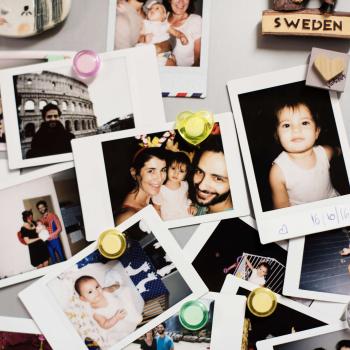
Creating Family Timelines: Graphing Family Memories and Significant Events
Grades
3 - 5
|
Lesson Plan
|
Standard Lesson
Creating Family Timelines: Graphing Family Memories and Significant Events
Students interview family members, and then create graphic family timelines based on important and memorable family events.

You Know the Movie is Coming&#151;Now What?
Grades
6 - 8
|
Lesson Plan
|
Standard Lesson
You Know the Movie is Coming—Now What?
In this lesson, students read a literary text with the eye of a director, selecting scenes from the text and putting a cinematic spin on them.

Pagination

  • First page « First
  • Previous page ‹‹
  • Page 1
  • Page 2
  • Page 3
  • Page 4
  • Page 5
  • Page 6
  • Page 7
  • Page 8
  • Page 9
  • …
  • Next page ››
  • Last page Last »

Explore Resources by Grade

  • KindergartenK
  • 1-2
  • 3-4
  • 5-6
  • 7-8
  • 9-10
  • 11-12

RWT-logo

Powered By NCTE

Footer 1 Menu

  • About
  • Classroom Resources
  • Professional Development
  • Collections
  • Contact Us

Footer 2 Menu

  • National Council of Teachers of English
  • Contribute to RWT
  • FAQs
  • Join NCTE

Footer 3 Menu

  • Legal Notices
  • Privacy Policy
  • Promotional Materials
  • Site Demonstrations

Want to stay in touch with RWT and NCTE? Sign up here!

  • Facebook
  • Twitter
  • Instagram
  • Pinterest
  • YouTube

© NCTE 2026. All rights reserved