Students learn about the life and music of John Lennon, write a short story from their lives integrating lyrics from some of their favorite songs, and create a class book of stories.
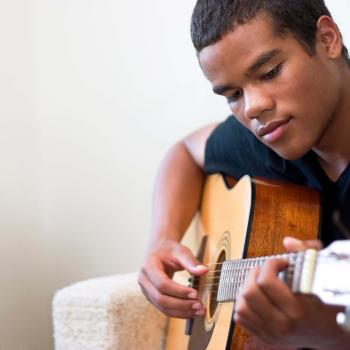
Songs of Our Lives: Using Lyrics to Write Stories

Involving Students and Families in Ongoing Reflection and Assessment
Students begin by writing a sentence or two each week and progress to daily reflections and records of their school activity. Families respond to these student reflections, which become the basis for discussion among family, teacher, and students.

Chasing the Dream: Researching the Meaning of the American Dream
By conducting interviews, sharing and assessing data, and writing papers based on their authentic research, students reach their own conclusions on the meaning of the American Dream.

Exploring the Power of Language with Six-Word Memoirs
What do the words we write really have to say about us? In this lesson, students examine the power of word choice as they write six-word memoirs of their lives.

Sí, Se Puede: Making a Difference, One Letter at a Time
After reading the book ¡Si, Se Puede!/Yes, We Can!: Janitor Strike in L.A., students learn about labor unions, strikes, and organizing for change. Students interview staff members in their school to learn about their daily work life, and write persuasive advocacy letters.

Boars and Baseball: Making Connections
In this lesson, students will make text-to-self, text-to-text, and text-to-world connections after reading In the Year of the Boar and Jackie Robinson. After sharing and discussing connections, students choose and plan a project that makes a personal connection to the text.

Connection Web
Students use this printout to expand on connections they have made to a text and use those details to write essays or create projects about the text.
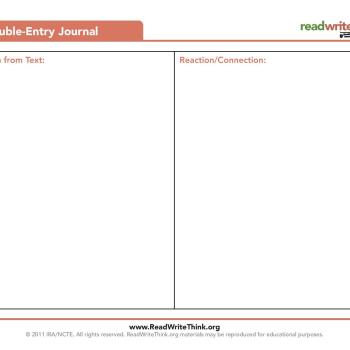
Double-Entry Journal
This printout helps students record ideas and situations from texts in one column, and their reactions in the second, thus making a connection between the text and themselves, another text, or the world.

RAFT Writing Template
Students can utilize this printout to organize their writing as they learn to use the RAFT strategy. This printout enables students to clearly define their role, audience, format, and topic for writing.

Family Ties: Making Connections to Improve Reading Comprehension
Families are all about connections between people. In this lesson, students read three books about different families and make text-to-self, text-to-text, and text-to-world connections to those texts.

MyTube: Changing the World With Video Public Service Announcements
This assignment will go viral with students as they think about the meanings of words and images in public service announcements from YouTube before creating a PSA of their own.

Gwendolyn Brooks published Bronzeville Boys and Girls in 1956.
After students have read and discussed several poems from Brooks' collection, they create a poetry anthology for their own family, neighborhood, or classroom.
Sherman Alexie was born in 1966.
Students imagine they have been asked to participate in a museum exhibit, take photos/videos of a significant location, and write or record reflections. Students can also create an exhibit from something they have read.
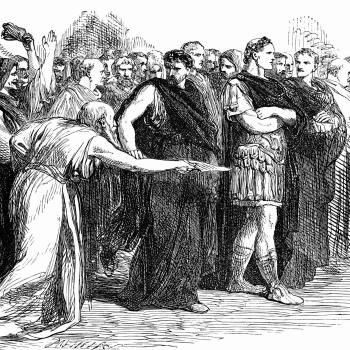
Beware the Ides of March!
Students discuss and categorize superstitions, define a superstition, and compare the similarities and difference between proverbs and superstitions.

Diarist Samuel Pepys was born.
Students write diary entries and revisit the entries as if it were a hundred years from now. Students then brainstorm and write paragraphs about life in the 21st century.
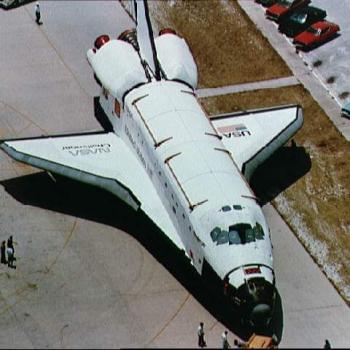
The Space Shuttle Challenger exploded in 1986.
Students interview a parent or another adult about the Challenger and hypothesize about differences. Students can also write about the Columbia disaster in 2003.

Gold was discovered in California in 1848.
Students read letters from the Gold Rush and follow up by writing an imaginary letter to a family member about their experience using the Letter Generator.

Alex Haley, author of Roots, was born in 1921.
Students explore their own roots by interviewing family members and use their family history to write a fictional account of their roots.
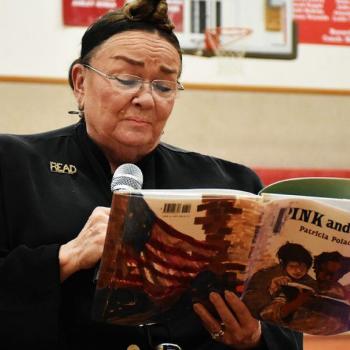
Children's author Patricia Polacco was born in 1944.
Students share family stories of their own by writing original poems and reviewing parts of speech using the Diamante Poems tool.
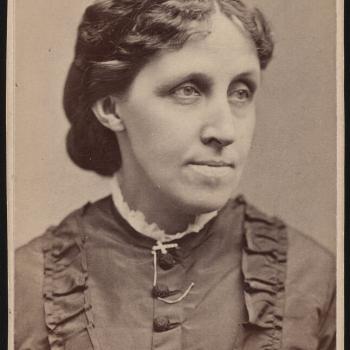
Louisa May Alcott was born in 1832.
Students brainstorm important events and people that might serve as the beginning of an interesting piece of writing. They then use the Bio-Cube to plan their writing and write an essay about a memorable person.