Students rework their forgotten/abandoned drafts by cutting and covering up selected words. By creatively manipulating text, they explore portal writing, a strategy for envisioning a new story or story direction.
Cut up, Cover up, and Come Away with Ideas for Writing!
American Folklore: A Jigsaw Character Study
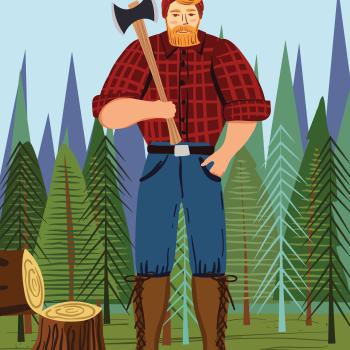
Groups of students read and discuss American folklore stories, each group reading a different story. Using a jigsaw strategy, the groups compare character traits and main plot points of the stories. A diverse selection of American folk tales is used for this lesson, which is adaptable to any text set.

Sí, Se Puede: Making a Difference, One Letter at a Time
After reading the book ¡Si, Se Puede!/Yes, We Can!: Janitor Strike in L.A., students learn about labor unions, strikes, and organizing for change. Students interview staff members in their school to learn about their daily work life, and write persuasive advocacy letters.

Boars and Baseball: Making Connections
In this lesson, students will make text-to-self, text-to-text, and text-to-world connections after reading In the Year of the Boar and Jackie Robinson. After sharing and discussing connections, students choose and plan a project that makes a personal connection to the text.

A Picture's Worth a Thousand Words: From Image to Detailed Narrative
The old cliche, "A picture is worth a thousand words" is put to the test when students write their own narrative interpretations of events shown in an image.

I've Got It Covered! Creating Magazine Covers to Summarize Texts
Start the presses! Catchy titles, eye-popping graphics, and attractive fonts are all on students' agendas in this lesson as they create magazine covers to summarize a topic.

Exploring Compare and Contrast Structure in Expository Texts
Students build their understanding of the terms compare and contrast by participating in class discussions, using Internet resources, working collaboratively, and by visually representing information in a Venn diagram.