Students analyze characterization by creating their own superheroes or super-villains,
complete with related gadgets and settings.

Fantastic Characters: Analyzing and Creating Superheroes and Villains

Facilitating Student-Led Seminar Discussions with The Piano Lesson
August Wilson's play The Piano Lesson invites students to ask a number of questions—big
and small. Students learn how to create effective discussion questions and then put them to use in student-led discussions.
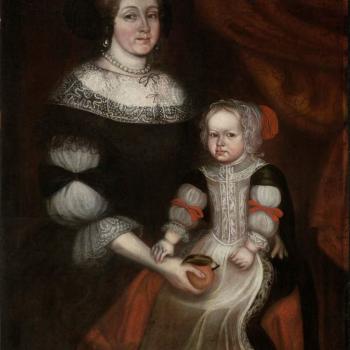
An Exploration of The Crucible through Seventeenth-Century Portraits
In this lesson, students incorporate analyses of characters from The Crucible with examinations of original seventeenth-century portraits of Puritans to create a visual portrait of the character. The project culminates in a "Portrait Gallery Walk" where students present and defend their artwork.
Book Report Alternative: Characters for Hire! Studying Character in Drama
In this alternative to the traditional book report, students respond to a play they have read by creating a resume for one of its characters.

An Introduction to Julius Caesar Using Multiple-Perspective Universal Theme Analysis
This resource is an introduction to William Shakespeare's tragic play, The Tragedy of Julius Caesar, through the study of universal themes using multiple-perspective investigations of betrayal scenarios.

Blending the Past with Today's Technology: Using Prezi to Prepare for Historical Fiction
To prepare for literature circles featuring historical novels, students research the decades of the 1930s to the 1990s and share their information using Prezi, a web application for creating multimedia presentations.

Boars and Baseball: Making Connections
In this lesson, students will make text-to-self, text-to-text, and text-to-world connections after reading In the Year of the Boar and Jackie Robinson. After sharing and discussing connections, students choose and plan a project that makes a personal connection to the text.
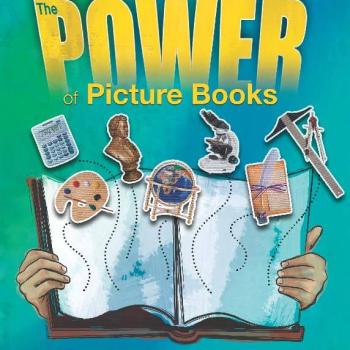
Power of Picture Books, The: Using Content Area Literature in Middle School
Featuring descriptions and activities for fifty exceptional titles, Mary Jo Fresch and Peggy Harkins offer a wealth of ideas for harnessing the power of picture books to improve reading and writing in the content areas.

Socratic Seminars
This strategy guide explains Socratic seminars and offers practical methods for applying the approach in your classroom to help students investigate multiple perspectives in a text.

Teaching with Zooming Slideshows through Prezi
Through Prezi, a web application, students create "zooming" presentations for various purposes, such as presenting research, defending an opinion, or sharing a digital story.

Bringing Lessons to Life with Animoto
Using Animoto, a free Web 2.0 tool, students can develop short digital videos that include music, photos, video clips, and text as well as share their creations electronically.

Speak to Me: Teaching with Voki
Through Voki, a Web 2.0 tool, students create customizable avatars for class presentations for various purposes, such as presenting biographical information, expressing an opinion, or reading a poem.
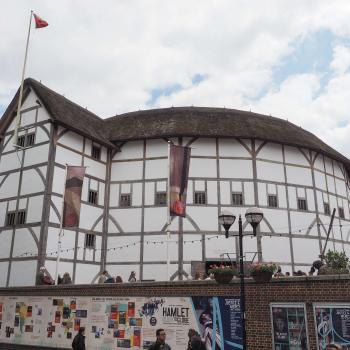
All's Well that Sells Well: A Creative Introduction to Shakespeare
Students compare attending a performance at The Globe Theater with attending a modern theater production or movie. They then create a commercial for an Elizabethan audience promoting a modern product.

The Peace Journey: Using Process Drama in the Classroom
What does peace mean to you? In this lesson, students attempt to answer this question as they write and perform a short skit that reflects their ideas of peace.

Exploring Disability Using Multimedia and the B-D-A Reading Strategy
History takes on new dimensions in this interactive multimedia lesson that emphasizes the B-D-A approach to research as students investigate the experiences of people with disabilities since the early 1800s.

Rain, Ice, Steam: Using Reading to Support Inquiry About the Water Cycle
Water is always moving in a continuous cycle from liquid to solid to gas and back again. Students study this never-ending cycle through shared readings, center activities, and experiments.

Becoming History Detectives Using Shakespeare's Secret
Is the case closed on the authorship of Shakespeare's plays? Student history detectives explore the evidence for and against one of the possible alternatives, Edward deVere, using the novel Shakespeare's Secret plus a variety of online sources.
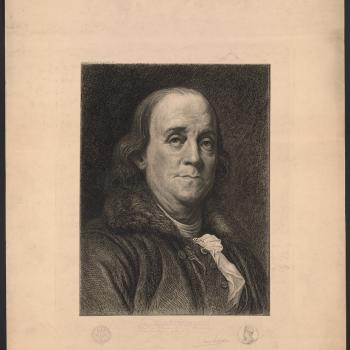
History Comes Alive: Developing Fluency and Comprehension Using Social Studies
Let the power of imagination and inference serve as a "time machine" to bring Benjamin Franklin into the classroom! History and science come to life in a dialogue with Franklin the inventor, developed through lesson activities that incorporate research, imagination, writing, visual arts, and drama.
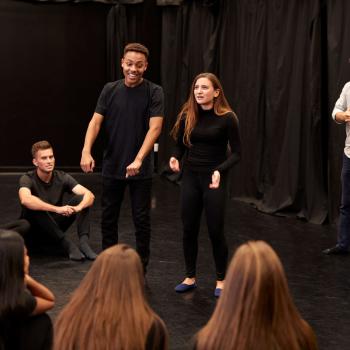
Pairing Fiction With Poetry and Performance
Make connections across genres and across cultures to engage students in the study of literary voice and themes. Comprehension skills and vocabulary also come into play, especially for English language learners, as students read a novel and related poems, then write and perform original poems related to the novel.

A Race With Grace: Sports Poetry in Motion
In this lesson, athletics, aesthetics, and poetics intersect in new ways as developing literacy learners experiment together with the forms of language.