ReadWriteThink - Powered by NCTE
  • About
  • Classroom Resources
    • Lesson Plans
    • Teaching Comics
    • Teaching With Primary Resources
    • Calendar
    • Printouts
    • Student Interactives
  • Collections
    • Assessment
    • Authors
    • Booklists
    • Media Literacy
    • Poetry
    • Primary Sources
    • Writing
  • Professional Development
    • Strategy Guides
    • Professional Library
    • Meetings & Events
  • Join NCTE
  • Contact Us
  • About
  • Classroom Resources
    • Lesson Plans
    • Teaching Comics
    • Teaching With Primary Resources
    • Calendar
    • Printouts
    • Student Interactives
  • Collections
    • Assessment
    • Authors
    • Booklists
    • Media Literacy
    • Poetry
    • Primary Sources
    • Writing
  • Professional Development
    • Strategy Guides
    • Professional Library
    • Meetings & Events
  • Join NCTE
  • Contact Us
  • Facebook
  • Twitter
  • Instagram
  • Pinterest
  • YouTube

Breadcrumb

  1. Home

Type

  • Classroom Resources
  • Professional Development

Grades

  • 1 (95)
  • 2 (104)
  • 3 (175)
  • 4 (177)
  • 5 (201)
  • 6 (267)
  • 7 (254)
  • 8 (262)
  • 9 (262)
  • 10 (257)
  • 11 (253)
  • 12 (252)
  • K (80)

Learning Objectives

  • collaboration (180)
  • Comprehension (241)
  • critical thinking (261)
  • digital literacy (59)
  • Grammar (12)
  • inquiry / research (133)
  • listening (77)
  • literary analysis (205)
  • Media literacy (64)
  • metacognition (103)
  • multicultural awareness (43)
  • multimodal literacy (87)
  • oral communication (85)
  • phonological awareness (19)
  • print awareness (31)
  • reading fluency (28)
  • reading genres (174)
  • Spelling (16)
  • text structure / story structure (124)
  • Vocabulary (76)
  • writing genres (131)
  • writing process (155)

Topics

  • (-) fiction
  • (-) science
  • arts
  • careers
  • community
  • drama
  • ELL
  • Family
  • Mathematics
  • Mobile Learning
  • nonfiction
  • poetry
  • seasons / holidays
  • social action
  • social studies / history
  • Sports
  • STEM
Trading Information about Minerals Through Trading Cards
Grades
6 - 8
|
Lesson Plan
|
Standard Lesson
Trading Information about Minerals Through Trading Cards
Using the free Trading Cards Mobile App, students create trading cards to share properties of various minerals with their classmates and connect the use of minerals to their own lives.
Poppin' Fun with Physical and Chemical Changes
Grades
6 - 9
|
Lesson Plan
|
Standard Lesson
Poppin' Fun with Physical and Chemical Changes
Students will enjoy learning about physical and chemical changes as they turn their own photos into a narrated video using the iPad app SonicPics to illustrate (and eat) their results from a popcorn lab.
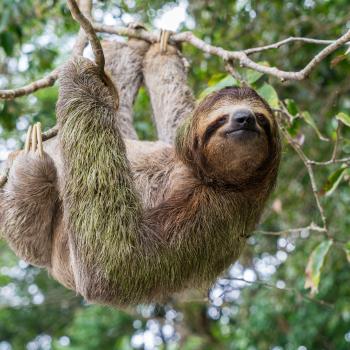
Investigating Animals: Using Nonfiction for Inquiry-based Research
Grades
K - 2
|
Lesson Plan
|
Unit
Investigating Animals: Using Nonfiction for Inquiry-based Research
Inspired by their curiosity about animals, students work together to research an animal of their choice and present the information they gather to an authentic audience.

Charlotte is Wise, Patient, and Caring: Adjectives and Character Traits
Grades
3 - 5
|
Lesson Plan
|
Standard Lesson
Charlotte is Wise, Patient, and Caring: Adjectives and Character Traits
Students find examples of adjectives in a shared reading. Then students "become" major characters in a book and describe themselves and other characters, using powerful adjectives.

Action Is Character: Exploring Character Traits with Adjectives
Grades
6 - 8
|
Lesson Plan
|
Standard Lesson
Action Is Character: Exploring Character Traits with Adjectives
Students must "become" a character in a novel in order to describe themselves and other characters using powerful adjectives.

Grades
9 - 12
|
Lesson Plan
|
Standard Lesson
Become a Character: Adjectives, Character Traits, and Perspective
Students "become" one of the major characters in a book and describe themselves and other characters, using lists of accurate, powerful adjectives.
Teaching Voice with Anthony Browne's <em>Voices in the Park</em>
Grades
6 - 8
|
Lesson Plan
|
Standard Lesson
Teaching Voice with Anthony Browne's Voices in the Park
Students analyze Voices in the Park by Anthony Browne to determine how an author keeps an audience interested by creating voice and to applying that knowledge to their own writing.
Book Report Alternative: Character and Author Business Cards
Grades
6 - 8
|
Lesson Plan
|
Standard Lesson
Book Report Alternative: Character and Author Business Cards
Students respond to a book they have read by thinking symbolically to create a business card for one of the characters.
Book Report Alternative: The Elements of Fiction
Grades
3 - 5
|
Lesson Plan
|
Standard Lesson
Book Report Alternative: The Elements of Fiction
Students identify the elements of fiction in a book they have read and share summaries of them by writing and illustrating their own mini-book.
Book Reviews, Annotation, and Web Technology
Grades
6 - 8
|
Lesson Plan
|
Unit
Book Reviews, Annotation, and Web Technology
Students work in groups to create annotated book reviews with links to topics of interest related to their book.

Book Report Alternative: Summary, Symbol, and Analysis in Bookmarks
Grades
6 - 8
|
Lesson Plan
|
Standard Lesson
Book Report Alternative: Summary, Symbol, and Analysis in Bookmarks
Students make bookmarks on computers and share their ideas with other readers at their school, while practicing summarizing, recognizing symbols, and writing reviews—all for an authentic audience.
Choose Your Own Adventure: A Hypertext Writing Experience
Grades
6 - 8
|
Lesson Plan
|
Unit
Choose Your Own Adventure: A Hypertext Writing Experience
Students analyze "choose your own adventure" stories and brainstorm to develop setting, characters, and plots for their own adventures stories and related Websites.

Using Picture Books to Teach Characterization in Writing Workshop
Grades
3 - 5
|
Lesson Plan
|
Standard Lesson
Using Picture Books to Teach Characterization in Writing Workshop
Students explore character development through experiences with picture books. They learn about the connections between reading and writing and apply the information they learn to revisions of their own writing.

It Doesn't Have to End That Way: Using Prediction Strategies with Literature
Grades
K - 2
|
Lesson Plan
|
Minilesson
It Doesn't Have to End That Way: Using Prediction Strategies with Literature
After listening to the beginning of a story, students use details in the text, personal experience, and prior knowledge to predict the way the story will end.

Who's Got Mail? Using Literature to Promote Authentic Letter Writing
Grades
3 - 5
|
Lesson Plan
|
Standard Lesson
Who's Got Mail? Using Literature to Promote Authentic Letter Writing
Students discuss and chart letter elements and write their own letters to adults at school, reinforcing letter-writing skills beyond the classroom lesson.
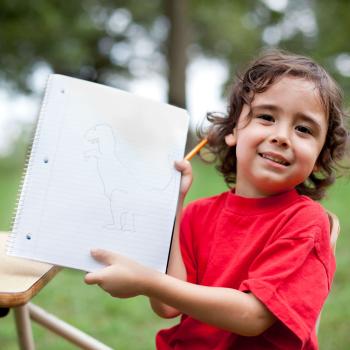
Writing Reports in Kindergarten? Yes!
Grades
K
|
Lesson Plan
|
Unit
Writing Reports in Kindergarten? Yes!
This lesson encourages young students to see themselves as writers with a message to convey. Three types of reports are provided to show what kindergartners and emergent writers can do.

Book Clubs: Reading for Fun
Grades
3 - 5
|
Lesson Plan
|
Recurring Lesson
Book Clubs: Reading for Fun
This lesson describes how small groups of students can plan meetings to discuss what they've read in a "just for fun" book club they've organized—and that they control.
Daily Book Boosts
Grades
3 - 5
|
Lesson Plan
|
Recurring Lesson
Daily Book Boosts
Book Boosts—one-minute raves at the end of independent reading time—are easy ways to suggest new titles to students, and they act as a way for students to have something to think about as they read.
Story Character Homepage
Grades
6 - 8
|
Lesson Plan
|
Unit
Story Character Homepage
Students analyze personal homepages, as well as a character in a book they have read, and then create a homepage for the character.
Literature Circles with Primary Students Using Self-Selected Reading
Grades
K - 2
|
Lesson Plan
|
Recurring Lesson
Literature Circles with Primary Students Using Self-Selected Reading
Students respond to self-selected books in journals, and talk about their books daily in small groups. The teacher guides students by offering suggestions and writing with them in dialogue journals.

Pagination

  • First page « First
  • Previous page ‹‹
  • …
  • Page 4
  • Page 5
  • Page 6
  • Page 7
  • Page 8
  • Page 9
  • Page 10
  • Page 11
  • Page 12
  • …
  • Next page ››
  • Last page Last »

Explore Resources by Grade

  • KindergartenK
  • 1-2
  • 3-4
  • 5-6
  • 7-8
  • 9-10
  • 11-12

RWT-logo

Powered By NCTE

Footer 1 Menu

  • About
  • Classroom Resources
  • Professional Development
  • Collections
  • Contact Us

Footer 2 Menu

  • National Council of Teachers of English
  • Contribute to RWT
  • FAQs
  • Join NCTE

Footer 3 Menu

  • Legal Notices
  • Privacy Policy
  • Promotional Materials
  • Site Demonstrations

Want to stay in touch with RWT and NCTE? Sign up here!

  • Facebook
  • Twitter
  • Instagram
  • Pinterest
  • YouTube

© NCTE 2026. All rights reserved