Students analyze characterization by creating their own superheroes or super-villains,
complete with related gadgets and settings.
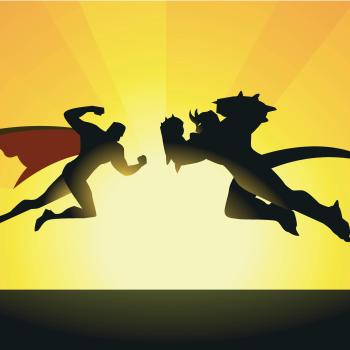
Fantastic Characters: Analyzing and Creating Superheroes and Villains

The Mysteries of Harris Burdick: Using Illustrations to Guide Writing
Students use illustrations from The Mysteries of Harris Burdick as a guide to write mysteries
and then present their stories to the class for students to discuss to which illustration each
story corresponds.
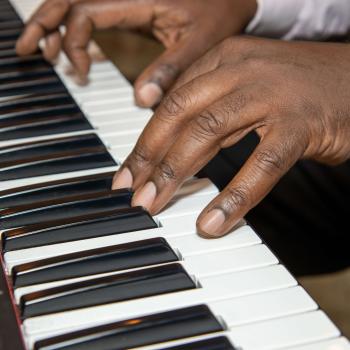
Facilitating Student-Led Seminar Discussions with The Piano Lesson
August Wilson's play The Piano Lesson invites students to ask a number of questions—big
and small. Students learn how to create effective discussion questions and then put them to use in student-led discussions.
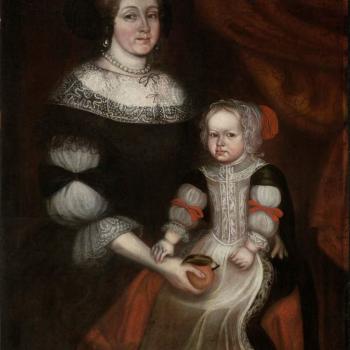
An Exploration of The Crucible through Seventeenth-Century Portraits
In this lesson, students incorporate analyses of characters from The Crucible with examinations of original seventeenth-century portraits of Puritans to create a visual portrait of the character. The project culminates in a "Portrait Gallery Walk" where students present and defend their artwork.

Tragic Love: Introducing Shakespeare's Romeo and Juliet
This lesson introduces students to William Shakespeare's Romeo and Juliet by having them examine the ideas of tragedy and tragic love by connecting the story to their own lives.

Blurring Genre: Exploring Fiction and Nonfiction with Diary of a Worm
After reading several examples of how a published author incorporates facts in fiction writing, students research a topic of their choice and write fictional diary entries that incorporate factual information.

Analyzing Character in Hamlet through Epitaphs
Students create epitaphs for characters from a tragedy, such as Hamlet.
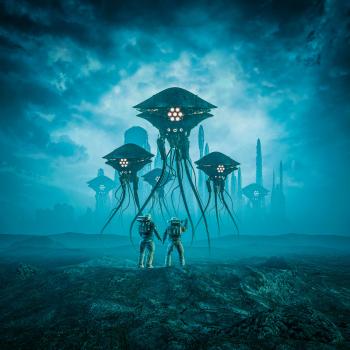
Finding the Science Behind Science Fiction through Paired Readings
Students read science fiction texts and then use nonfiction texts to extrapolate the scientific principles presented as they discuss the "what ifs" within the context of scientific principles.
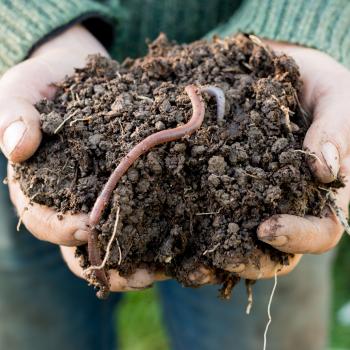
Digging Up Details on Worms: Using the Language of Science in an Inquiry Study
This lesson, in which students research worms in order to create a classroom habitat, incorporates reading and writing across content areas as well as math and science activities.
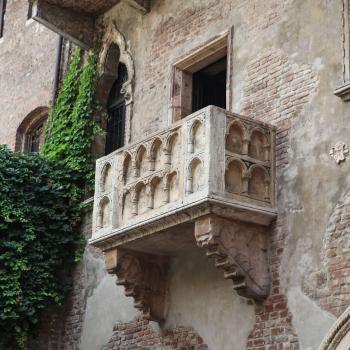
Star-Crossed Lovers Online: Romeo and Juliet for a Digital Age
Explore the modern significance of an older text, such as Shakespeare's Romeo and Juliet, by asking students to create their own modern interpretation of specific events from the drama.

How Does My Garden Grow? Writing in Science Field Journals
Students plant a garden and study its growth using the inquiry process of questioning and exploring. As they research and study, students record their observations in a field journal.

As Slippery as an Eel: An Ocean Unit Exploring Simile and Metaphor
Students play with simile and metaphor as they study the ocean and use figurative language to write a class book about it.
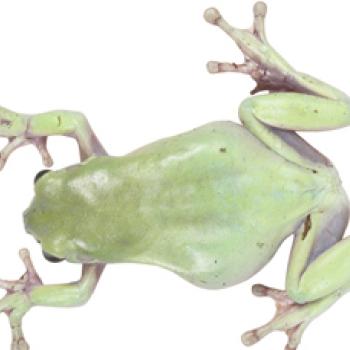
Bridging Literature and Mathematics by Visualizing Mathematical Concepts
During interactive read-aloud sessions, students identify how an author conveys mathematical information about animals' sizes and abilities. They then conduct research projects focusing on the same mathematical concepts.
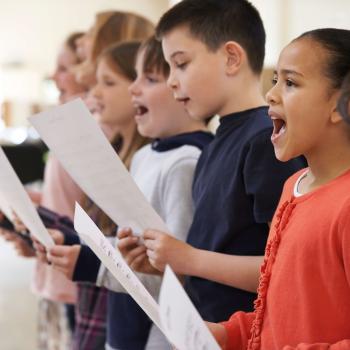
Improving Fluency through Group Literary Performance
Students participate in shared reading, choral reading, and readers theater, using books by Bill Martin, Jr. Repeated readings and literary performances help students with their reading accuracy, expression, and rate.
Weather Detectives: Questioning the Fact and Folklore of Weather Sayings
Students adopt a skeptical stance and become weather detectives who ask "Why?" and "Why not?" as they investigate the history and validity of some common weather sayings.

Happily Ever After? Exploring Character, Conflict, and Plot in Dramatic Tragedy
By exploring the decisions points in a tragedy, students consider how the plot of the story can change if the key characters make a different choice at the turning point.

Creating Question and Answer Books through Guided Research
This series of activities is designed to teach research strategies. Students use KWL charts to guide their inquiry and publish their results in a collaborative question and answer book.

Paying Attention to Technology: Exploring a Fictional Technology
Students complete a short survey to establish their beliefs about technology. They compare their opinions to the ideas in a novel that depicts technology (such as 1984 or Fahrenheit 451).
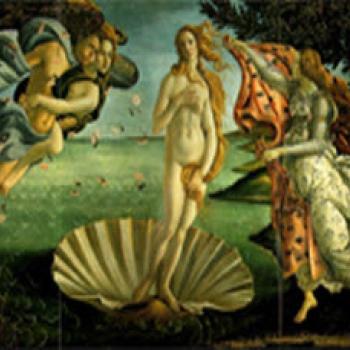
Renaissance Humanism in Hamlet and The Birth of Venus
After reading Shakespeare's Hamlet, students identify, analyze, and explain how elements in Botticelli's painting Birth of Venus and examples from the play illustrate the philosophy of Renaissance Humanism.

Animal Study: From Fiction to Facts
Students listen to fiction and nonfiction read-alouds and explore selected Websites to identify factual information about animals. This lesson focuses on ants, but can be adapted to any animal.