ReadWriteThink - Powered by NCTE
  • About
  • Classroom Resources
    • Lesson Plans
    • Teaching Comics
    • Teaching With Primary Resources
    • Calendar
    • Printouts
    • Student Interactives
  • Collections
    • Assessment
    • Authors
    • Booklists
    • Media Literacy
    • Poetry
    • Primary Sources
    • Writing
  • Professional Development
    • Strategy Guides
    • Professional Library
    • Meetings & Events
  • Join NCTE
  • Contact Us
  • About
  • Classroom Resources
    • Lesson Plans
    • Teaching Comics
    • Teaching With Primary Resources
    • Calendar
    • Printouts
    • Student Interactives
  • Collections
    • Assessment
    • Authors
    • Booklists
    • Media Literacy
    • Poetry
    • Primary Sources
    • Writing
  • Professional Development
    • Strategy Guides
    • Professional Library
    • Meetings & Events
  • Join NCTE
  • Contact Us
  • Facebook
  • Twitter
  • Instagram
  • Pinterest
  • YouTube

Breadcrumb

  1. Home

Type

  • Classroom Resources
  • Professional Development

Grades

  • 1 (57)
  • 2 (61)
  • 3 (74)
  • 4 (81)
  • 5 (94)
  • 6 (112)
  • 7 (109)
  • 8 (108)
  • 9 (78)
  • 10 (74)
  • 11 (72)
  • 12 (72)
  • K (52)

Learning Objectives

  • collaboration (63)
  • Comprehension (69)
  • critical thinking (112)
  • digital literacy (25)
  • Grammar (4)
  • inquiry / research (95)
  • listening (31)
  • literary analysis (30)
  • Media literacy (24)
  • metacognition (52)
  • multicultural awareness (17)
  • multimodal literacy (39)
  • oral communication (40)
  • phonological awareness (2)
  • print awareness (18)
  • reading fluency (12)
  • reading genres (46)
  • Spelling (8)
  • text structure / story structure (36)
  • Vocabulary (40)
  • writing genres (48)
  • writing process (57)

Topics

  • (-) Family
  • (-) science
  • arts
  • careers
  • community
  • drama
  • ELL
  • fiction
  • Mathematics
  • Mobile Learning
  • nonfiction
  • poetry
  • seasons / holidays
  • social action
  • social studies / history
  • Sports
  • STEM
Chasing the Dream: Researching the Meaning of the American Dream
Grades
9 - 12
|
Lesson Plan
|
Standard Lesson
Chasing the Dream: Researching the Meaning of the American Dream
By conducting interviews, sharing and assessing data, and writing papers based on their authentic research, students reach their own conclusions on the meaning of the American Dream.
Glogging About Natural Disasters
Grades
5 - 8
|
Lesson Plan
|
Standard Lesson
Glogging About Natural Disasters
After researching various natural disasters, students share their findings with each other using glogs, or through poster presentations.
Exploring the Power of Language with Six-Word Memoirs
Grades
9 - 12
|
Lesson Plan
|
Standard Lesson
Exploring the Power of Language with Six-Word Memoirs

What do the words we write really have to say about us? In this lesson, students examine the power of word choice as they write six-word memoirs of their lives.

Sí, Se Puede: Making a Difference, One Letter at a Time
Grades
6 - 8
|
Lesson Plan
|
Standard Lesson
Sí, Se Puede: Making a Difference, One Letter at a Time
After reading the book ¡Si, Se Puede!/Yes, We Can!: Janitor Strike in L.A., students learn about labor unions, strikes, and organizing for change. Students interview staff members in their school to learn about their daily work life, and write persuasive advocacy letters.
A Recipe for Writing: <i>Fairy Tale Feasts</i>
Grades
2 - 4
|
Lesson Plan
|
Standard Lesson
A Recipe for Writing: Fairy Tale Feasts
After examining recipes written based on students' favorite fairy tales, students research a recipe related to their favorite story, book, or fairy tale and include it in a classroom recipe book.

Boars and Baseball: Making Connections
Grades
4 - 7
|
Lesson Plan
|
Standard Lesson
Boars and Baseball: Making Connections
In this lesson, students will make text-to-self, text-to-text, and text-to-world connections after reading In the Year of the Boar and Jackie Robinson. After sharing and discussing connections, students choose and plan a project that makes a personal connection to the text.
Writing Acrostic Poems with Thematically Related Texts in the Content Areas
Grades
2 - 5
|
Lesson Plan
|
Standard Lesson
Writing Acrostic Poems with Thematically Related Texts in the Content Areas
Students read thematically related texts, scaffolded from simple to complex, to help them gather necessary concept vocabulary and background knowledge in a content area. They then write acrostic poems to organize and present their learning in a creative way.
Exploring Perspectives on Desegregation Using <i>Brown Girl Dreaming</i>
Grades
5 - 9
|
Lesson Plan
|
Standard Lesson
Exploring Perspectives on Desegregation Using Brown Girl Dreaming
Students read and discuss a selection of poems from Jacqueline Woodson's Brown Girl Dreaming to explore varying views on the process of desegregation in America.
Learning about Clouds with Haikus
Grades
4 - 6
|
Lesson Plan
|
Standard Lesson
Learning about Clouds with Haikus
Using a mobile app or Interactive activity, students write haikus describing various types of clouds that they have studied.

Greetings from the Biomes of the World
Grades
6 - 8
|
Lesson Plan
|
Standard Lesson
Greetings from the Biomes of the World
To share their research on biomes, students use iPads to create postcards from all over the world.
Getting Graphic with Alternative Energy Sources
Grades
7 - 12
|
Lesson Plan
|
Standard Lesson
Getting Graphic with Alternative Energy Sources
After researching alternative sources of energy, students create online comic books to present their information.
A Blast from the Past with Nuclear Chemistry
Grades
11 - 12
|
Lesson Plan
|
Standard Lesson
A Blast from the Past with Nuclear Chemistry
After researching the history and basic facts of a nuclear chemistry topic, students utilize the Web 2.0 tool Timetoast to create an electronic timeline that they use to present their research to the class.
Fashion Fun with Fossil Fuels
Grades
9 - 12
|
Lesson Plan
|
Standard Lesson
Fashion Fun with Fossil Fuels
After researching specific fossil fuel issues, students create their own clothing brands that express their opinions about the issues and then share their information and clothing line using either PowerPoint or Prezi.
Trading Information about Minerals Through Trading Cards
Grades
6 - 8
|
Lesson Plan
|
Standard Lesson
Trading Information about Minerals Through Trading Cards
Using the free Trading Cards Mobile App, students create trading cards to share properties of various minerals with their classmates and connect the use of minerals to their own lives.
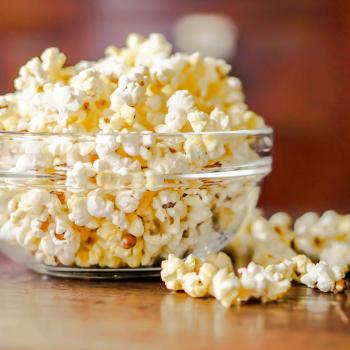
Poppin' Fun with Physical and Chemical Changes
Grades
6 - 9
|
Lesson Plan
|
Standard Lesson
Poppin' Fun with Physical and Chemical Changes
Students will enjoy learning about physical and chemical changes as they turn their own photos into a narrated video using the iPad app SonicPics to illustrate (and eat) their results from a popcorn lab.
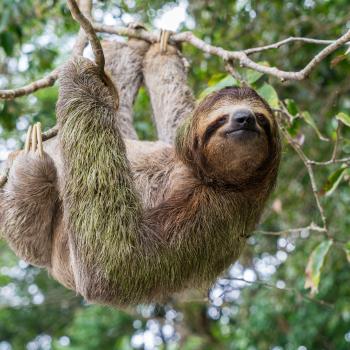
Investigating Animals: Using Nonfiction for Inquiry-based Research
Grades
K - 2
|
Lesson Plan
|
Unit
Investigating Animals: Using Nonfiction for Inquiry-based Research
Inspired by their curiosity about animals, students work together to research an animal of their choice and present the information they gather to an authentic audience.
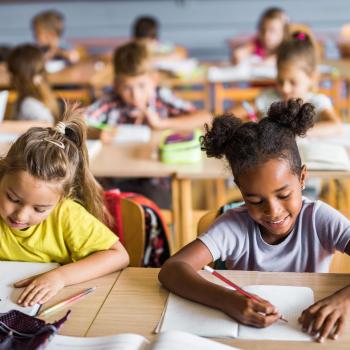
Persuasive Writing: What Can Writing in Family Message Journals Do for Students?
Grades
K - 2
|
Lesson Plan
|
Standard Lesson
Persuasive Writing: What Can Writing in Family Message Journals Do for Students?
This lesson engages children in using writing to their families as a persuasive tool to get what they want and need.
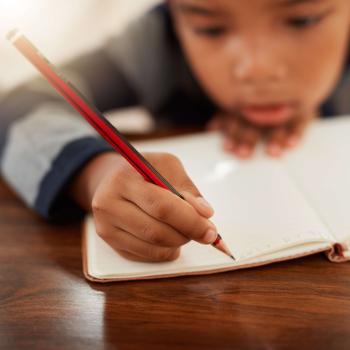
Family Message Journals Teach Many Purposes for Writing
Grades
K - 2
|
Lesson Plan
|
Standard Lesson
Family Message Journals Teach Many Purposes for Writing
This lesson encourages children to explore authentic reasons for writing by writing messages to their family in a family message journal.
Launching Family Message Journals
Grades
K - 2
|
Lesson Plan
|
Standard Lesson
Launching Family Message Journals
This lesson introduces Family Message Journals—a teacher-tested tool for encouraging family involvement and supporting writing to reflect and to learn.
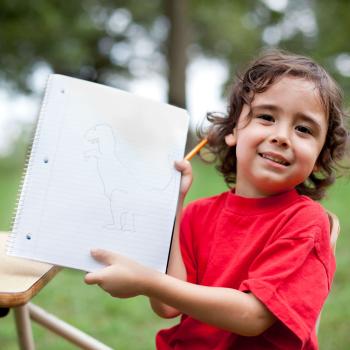
Writing Reports in Kindergarten? Yes!
Grades
K
|
Lesson Plan
|
Unit
Writing Reports in Kindergarten? Yes!
This lesson encourages young students to see themselves as writers with a message to convey. Three types of reports are provided to show what kindergartners and emergent writers can do.

Pagination

  • First page « First
  • Previous page ‹‹
  • Page 1
  • Page 2
  • Page 3
  • Page 4
  • Page 5
  • Page 6
  • Page 7
  • Page 8
  • Page 9
  • …
  • Next page ››
  • Last page Last »

Explore Resources by Grade

  • KindergartenK
  • 1-2
  • 3-4
  • 5-6
  • 7-8
  • 9-10
  • 11-12

RWT-logo

Powered By NCTE

Footer 1 Menu

  • About
  • Classroom Resources
  • Professional Development
  • Collections
  • Contact Us

Footer 2 Menu

  • National Council of Teachers of English
  • Contribute to RWT
  • FAQs
  • Join NCTE

Footer 3 Menu

  • Legal Notices
  • Privacy Policy
  • Promotional Materials
  • Site Demonstrations

Want to stay in touch with RWT and NCTE? Sign up here!

  • Facebook
  • Twitter
  • Instagram
  • Pinterest
  • YouTube

© NCTE 2026. All rights reserved