Students become "thieves" in this lesson as they use a previewing strategy to "steal" information from textbooks and other nonfiction texts before actually reading them.

Using THIEVES to Preview Nonfiction Texts
From Fact to Fiction: Drawing and Writing Stories
Students gather factual information about frogs and toads to create nonfiction and fiction stories. Drawing is used for prewriting.

The Big, Bad Wolf...Is This a Fact?
Reading is revamped in this lesson in which students use a multimedia approach to study the books by Seymour Simon.

Getting the ig in Pig: Helping Children Discover Onset and Rime
Students will need their language-building hard hats as they construct words using onset and rime, building vocabulary and phonics comprehension.

Protecting Our Precious Planet: Sharing the Message of Earth Day
Students discover that they can make a world of difference when they participate in the online Earth Day bag program.
Pairing Fiction With Poetry and Performance
Make connections across genres and across cultures to engage students in the study of literary voice and themes. Comprehension skills and vocabulary also come into play, especially for English language learners, as students read a novel and related poems, then write and perform original poems related to the novel.

Digital Reflections: Expressing Understanding of Content Through Photography
Striking images can leave lasting impressions on viewers. In this lesson, students make textselfworld connections to a nature- or science-related topic as they collaboratively design a multimedia presentation.
Reading Informational Texts Using the 3-2-1 Strategy
Students can count on using the 3-2-1 strategy to help them successfully comprehend and write about an informational text.

Blast Off! Vocabulary Instruction Using a Virtual Moon Trip
3, 2, 1... Blast off! Students learn new vocabulary by taking a virtual field trip to the moon, read-alouds, creating a picture dictionary, and completing a final writing activity.
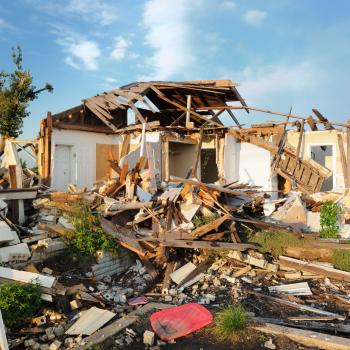
Exploring Cause and Effect Using Expository Texts About Natural Disasters
Students explore the nature and structure of expository texts that focus on cause and effect and apply what they learned using graphic organizers and writing paragraphs to outline cause-and-effect relationships.

Using Web-Based Bookmarks to Conduct Internet Research
The important thing about this lesson is… that it connects literature and science. The Important Book by Margaret Wise Brown provides a model for original student poems about a content area topic. Web-based bookmarks guide students to appropriate sites on the topic, and a graphic organizer helps them focus their research.

Multipurpose Poetry: Introducing Science Concepts and Increasing Fluency
Creepy crawlers, hoppers, and fliers are the focus of this lesson in which students chorally read poems about insects and use the Internet to locate facts about their assigned insects.
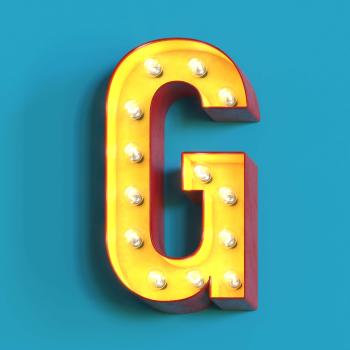
Using Folk Tales: Vowel Influences on the Letter G
Gentle, gigantic, gracefuldo these g words describe the giant in Jack and the Beanstalk? Students will explore the hard and soft g sounds by studying fairy tales and animals.
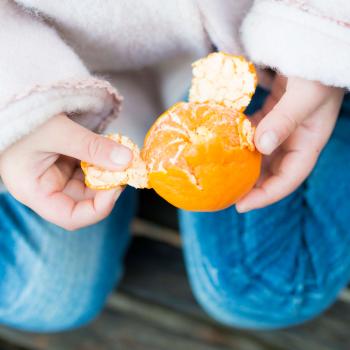
Cosmic Oranges: Observation and Inquiry Through Descriptive Writing and Art
Students will eat up this lesson about oranges as they practice the skills that help them investigate and make detailed observations for descriptive purposes.

Exploring Compare and Contrast Structure in Expository Texts
Students build their understanding of the terms compare and contrast by participating in class discussions, using Internet resources, working collaboratively, and by visually representing information in a Venn diagram.
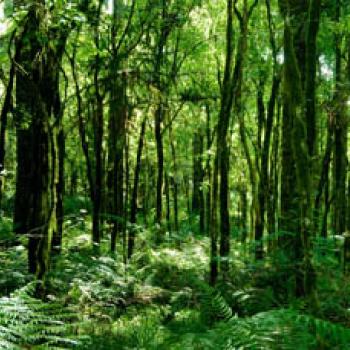
Teaching Science Through Picture Books: A Rainforest Lesson
Students read Welcome to the Green House, use note-taking strategies, find patterns in text structure, learn vocabulary in context, and write efferent and affective responses to the text.
Dynamic Duo Text Talks: Examining the Content of Internet Sites
An Observation and Inquiry Sheet guides students as they analyze and compare their reactions to the value, engagement, and credibility of three websites related to Anne Frank and the Holocaust.
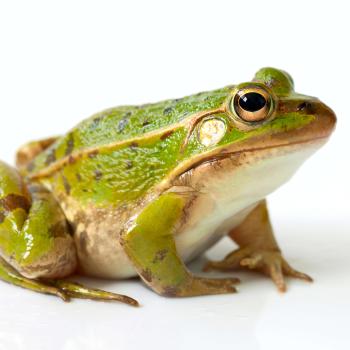
The Frog Beyond the Fairy Tale Character: Searching Informational Texts
Frogs often appear as the main character in fiction stories, but what do students really know about frogs? Students find out in this lesson in which they research real-life frogs.
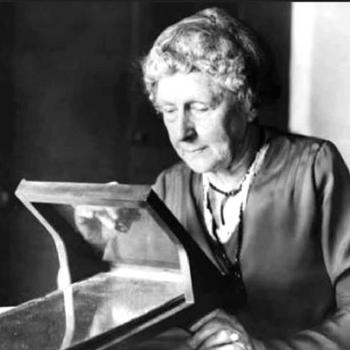
Astronomer Annie Jump Cannon was born today.
Students research a constellation and share their learning using an interactive or mobile app.

Author E.B. White was born on this day in 1899.
Author E.B. White, most well-known for his famous children's book, Charlotte's Web, received high acclaim and awards for many of his works of fiction.