Using the free Trading Cards Mobile App, students create trading cards to share properties of various minerals with their classmates and connect the use of minerals to their own lives.

Trading Information about Minerals Through Trading Cards
Poppin' Fun with Physical and Chemical Changes
Students will enjoy learning about physical and chemical changes as they turn their own photos into a narrated video using the iPad app SonicPics to illustrate (and eat) their results from a popcorn lab.
Investigating Animals: Using Nonfiction for Inquiry-based Research
Inspired by their curiosity about animals, students work together to research an animal of their choice and present the information they gather to an authentic audience.
Writing Reports in Kindergarten? Yes!
This lesson encourages young students to see themselves as writers with a message to convey. Three types of reports are provided to show what kindergartners and emergent writers can do.
Listen, Look, and Learn: An Information-Gathering Process
After listening to and discussing the story Score One for the Sloths, primary students research the sloth. Students use a variety of resources, including an information wheel graphic organizer.

Technology and Copyright Law: A "Futurespective"
Students research and report on instances of how copyright laws have adapted to encompass new technologies. They write articles predicting copyright issues that may arise with new and future technologies.

Discovering Memory: Li-Young Lee's Poem "Mnemonic" and the Brain
Students learn about memory by doing a memory-writing exercise, studying the brain to understand how it affects memory, reading Li-Young Lee's poem "Mnemonic," and creating projects to demonstrate their understanding.
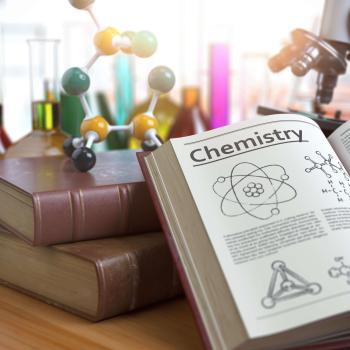
Textmasters: Shaking Up Textbook Reading in Science Classrooms
Engage students in content area reading with the Textmasters strategy, which allows students to collaborate with their peers in different roles that enable better understanding of the content.
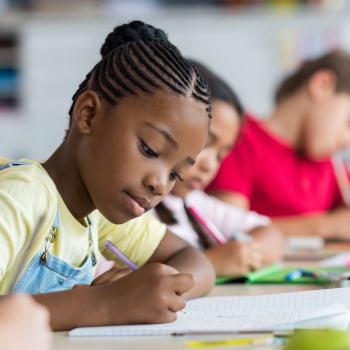
I Used My Own Words! Paraphrasing Informational Texts
Tell me about it in your own words! If students can paraphrase the information they have read, then you—and they—can be confident that they understand it.

Four Simple Steps to Small-Group Guided Writing
Students will go batty about the three writing strategies they learn in this lesson centered on Nicola Davies' Bat Loves the Night.
Earth Verse: Using Science in Poetry
Students shape up their reading, writing, and listening skills in this lesson by creating original diamante, acrostic, and shape poems about science.
Critical Literacy in Action: Multimodal Texts on Global Warming
Students will really warm up to this lesson about global warming as they study multimedia materials and use a variety of comprehension strategies.
Hoax or No Hoax? Strategies for Online Comprehension and Evaluation
Are your students easily fooled? You'll find out in this lesson in which students carefully and critically examine hoax websites to determine their validity.
Nature Study Outdoor Treasure Hunts (with Spanish language option)
Students take a walk on the wild side when they research an animal and create a scavenger hunt activity for their classmates.

ABC Bookmaking Builds Vocabulary in the Content Areas
V is for vocabulary. A content area unit provides the theme for a specialized ABC book, as students select, research, define, and illustrate a word for each alphabet letter.
Persuasive Essay: Environmental Issues
How can we convince others to agree with us on important issues? In this lesson, students explore relevant environmental issues and gather information to write persuasive essays.
Weather: A Journey in Nonfiction
Questions about weather clear up when students use what they learned from their books to create a presentation to share with the rest of the class.
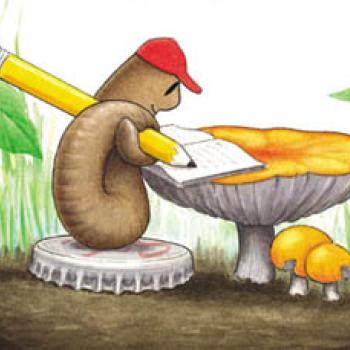
Fact or Fiction: Learning About Worms Using Diary of a Worm
Students often believe that fiction writers make everything up, seldom realizing how research worms its way into entertaining writing. In this lesson, students read Diary of a Worm to find out how fact merges with fiction.

Astronomy Poetry: Combining Poetry With the Content Areas
Students' responses to this lesson will be out of this world after they've researched astronomy to write poetry and compile a poetry book.

Using Science Texts to Teach the Organizational Features of Nonfiction
Students explore organizational features of nonfiction science. Students then work together to create a two-page spread using those features to present information about their local environment.