Teach your students about sentence structure, rhyming words, sight words, vocabulary, and print concepts using a weekly poem.
Poetry Portfolios: Using Poetry to Teach Reading
Peace Poems and Picasso Doves: Literature, Art, Technology, and Poetry
Students apply think-aloud strategies to reading and to composition of artwork and poetry. They research symbols of peace as they prewrite, compose, and publish their poetry.
Pairing Fiction With Poetry and Performance
Make connections across genres and across cultures to engage students in the study of literary voice and themes. Comprehension skills and vocabulary also come into play, especially for English language learners, as students read a novel and related poems, then write and perform original poems related to the novel.

Slipping, Sliding, Tumbling: Reinforcing Cause and Effect Through Diamante Poems
Writing, revising, and publishing are just a few of the tasks students will complete in order to take their cause-and-effect diamante poems from an idea to a reality.

A Race With Grace: Sports Poetry in Motion
In this lesson, athletics, aesthetics, and poetics intersect in new ways as developing literacy learners experiment together with the forms of language.

Multipurpose Poetry: Introducing Science Concepts and Increasing Fluency
Creepy crawlers, hoppers, and fliers are the focus of this lesson in which students chorally read poems about insects and use the Internet to locate facts about their assigned insects.

The Reading Performance: Understanding Fluency Through Oral Interpretation
Students discuss prosody, gain a new appreciation for literature intended for oral performance, and participate in activities that instill the value of technology in shaping their appreciation of literature.
Poetry: A Feast to Form Fluent Readers
Students improve their reading fluency by selecting a poem online to perform in class.
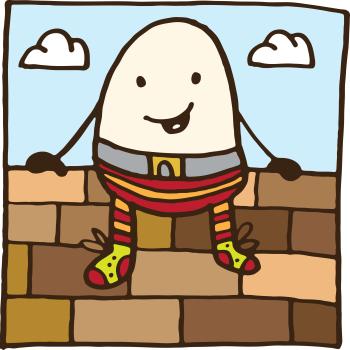
Word Recognition Strategies Using Nursery Rhymes
Whether you sing or recite familiar nursery rhymes in this standard lesson, students will learn how to create and categorize words that have similar endings.
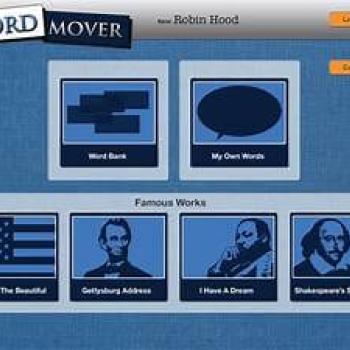
Word Mover
Word Mover allows children and teens to create "found poetry" by choosing from word banks and existing famous works; additionally, users can add new words to create a piece of poetry by moving/manipulating the text.

Celebrate Digital Learning Day today.
Students reflect on recent learning and the role digital tools and media have played in supporting or enhancing it.
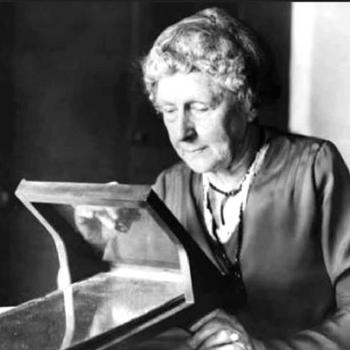
Astronomer Annie Jump Cannon was born today.
Students research a constellation and share their learning using an interactive or mobile app.
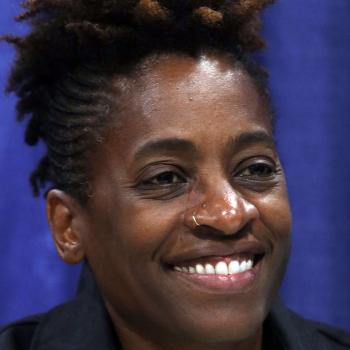
Author Jacqueline Woodson was born today.
Students read the poem "February 12, 1963" and write a poem to commemorate their own birthday.

Today is World Read Aloud Day.
Students celebrate the power of words by reading aloud to their classmates and spreading the word of global literacy to their friends and family.

Poet Nikki Giovanni was born in 1943.
Using the poem "My First Memory (of Librarians)," students connect memory, their senses, and the language of poetry.

Gwendolyn Brooks published Bronzeville Boys and Girls in 1956.
After students have read and discussed several poems from Brooks' collection, they create a poetry anthology for their own family, neighborhood, or classroom.

Poet and author Pat Mora was born on this day in 1942.
Students study and write extended metaphors through the use of Pat Mora's book.
Participate in Poem in Your Pocket Day!
Students select a poem and create a Stapleless Book using the interactive tool.

Seamus Heaney was born on this day in 1939.
Students focus on the figurative language in Heaney's poem, "Digging," and discuss the speaker's attitude, and how metaphor, simile, and image contribute to the poem.
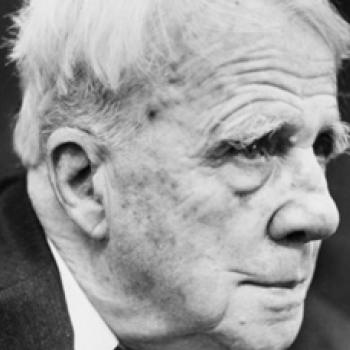
Poet Robert Frost was born in 1874.
Students celebrate Frost's birthday by exploring his innovation in the sonnet form by studying poems and presenting them to the class.