Through Voki, a Web 2.0 tool, students create customizable avatars for class presentations for various purposes, such as presenting biographical information, expressing an opinion, or reading a poem.

Speak to Me: Teaching with Voki
Code of Best Practices in Fair Use for Media Literacy Education
This document is a code of best practices that helps educators using media literacy concepts and techniques to interpret the copyright doctrine of fair use.


Weekly Writer's Blogs: Building a Reflective Community of Support
Students explore the conventions of blog writing while using it to self-reflect on their writing and communicate with classmates about each other's reflections.
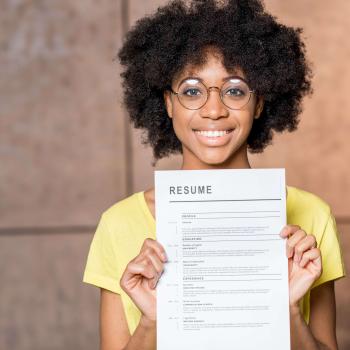
Help Wanted: Writing Professional Resumes
Students will create a beginning resume that represents their current work experience and demonstrates their knowledge of rhetorical situations for professional writing.

Connecting Past and Present: A Local Research Project
In this unit, students become active archivists, gathering photos, artifacts, and stories for a museum exhibit that highlights one decade in their school's history.

Creating a Persuasive Podcast
Students learn how to get their voice out on the web when they research issues important to them and compose a persuasive podcast to post online.

Exploring Careers Using the Internet
Doctors, astrophysicists, and daycare providers are only some of the careers that will be explored in this lesson in which students research careers and publish occupational summaries about them.

Cultural Connections and Writing for Change
A little understanding can go a long way. After learning about difficulties that Palestinian youths face, students will write a letter to an official discussing these issues.

Persuading the Principal: Writing Persuasive Letters About School Issues
Students learn that you don't have to raise your voice to raise a point. Writing a persuasive letter to your principal is a great way to get your opinions heard.
Promoting Cultural Values Through Alphabet Books
C is for Culture in this lesson in which students research a culture different from their own and compile an alphabet book that showcases cultural symbols for each letter of the alphabet.
Nature Study Outdoor Treasure Hunts (with Spanish language option)
Students take a walk on the wild side when they research an animal and create a scavenger hunt activity for their classmates.
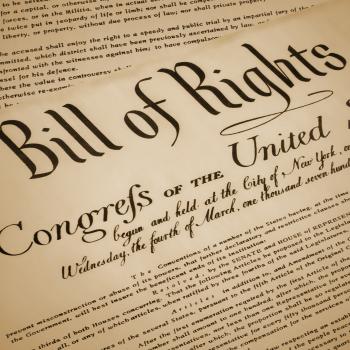
What Are My Rights? Exploring and Writing About the Constitution
Students speak up in this lesson about rights, examining the Constitution in the context of issues that affect their everyday lives.
The Solution Square: Strategies for Conflict Resolution
Students will square up a conflict and learn how to effectively resolve any issues using a Solution Square.