This guide shares the steps to take to get more students talking by dividing the group into speaking and non-speaking circles.

Conducting Inner-Outer Circle Discussions

Using Word Walls to Develop and Maintain Academic Vocabulary
In this guide, you will learn how to use Word Walls to support vocabulary development and retention.

Using Generative Sentences to Apply Academic Vocabulary
In this guide, you will learn how to use generative sentences to give students opportunities to apply their knowledge of new words in writing.
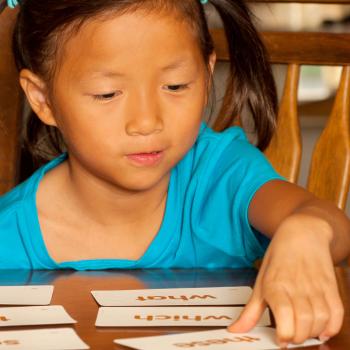
Introducing Ideas and Vocabulary with the Concept Sort
A Concept Sort is a vocabulary and comprehension strategy used with students to introduce new topics and/or familiarize students with new vocabulary.

Using Paired Reading to Increase Fluency and Peer Cooperation
In this strategy, students read aloud to each other, pairing more fluent readers with less fluent readers. This strategy can also be used to pair older students with younger students to create "reading buddies."

Teaching with Zooming Slideshows through Prezi
Through Prezi, a web application, students create "zooming" presentations for various purposes, such as presenting research, defending an opinion, or sharing a digital story.

Bringing Lessons to Life with Animoto
Using Animoto, a free Web 2.0 tool, students can develop short digital videos that include music, photos, video clips, and text as well as share their creations electronically.

Speak to Me: Teaching with Voki
Through Voki, a Web 2.0 tool, students create customizable avatars for class presentations for various purposes, such as presenting biographical information, expressing an opinion, or reading a poem.
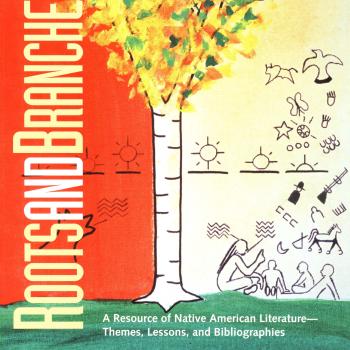
Roots and Branches: A Resource of Native American Literature
This valuable resource book offers teachers an opportunity to learn and to teach about Native American literatures in context. Susag examines the historical and literary contexts that frame the literary work of Native peoples.
Code of Best Practices in Fair Use for Media Literacy Education
This document is a code of best practices that helps educators using media literacy concepts and techniques to interpret the copyright doctrine of fair use.


All's Well that Sells Well: A Creative Introduction to Shakespeare
Students compare attending a performance at The Globe Theater with attending a modern theater production or movie. They then create a commercial for an Elizabethan audience promoting a modern product.

Weekly Writer's Blogs: Building a Reflective Community of Support
Students explore the conventions of blog writing while using it to self-reflect on their writing and communicate with classmates about each other's reflections.
Having My Say: A Multigenre Autobiography Project
Students compose a multigenre paper, modeled after the Delany sister's autobiography, Having Our Say, that includes the autobiographical narrative essay as well as an informational nonfiction piece.