ReadWriteThink - Powered by NCTE
  • About
  • Classroom Resources
    • Lesson Plans
    • Teaching Comics
    • Teaching With Primary Resources
    • Calendar
    • Printouts
    • Student Interactives
  • Collections
    • Assessment
    • Authors
    • Booklists
    • Media Literacy
    • Poetry
    • Primary Sources
    • Writing
  • Professional Development
    • Strategy Guides
    • Professional Library
    • Meetings & Events
  • Join NCTE
  • Contact Us
  • About
  • Classroom Resources
    • Lesson Plans
    • Teaching Comics
    • Teaching With Primary Resources
    • Calendar
    • Printouts
    • Student Interactives
  • Collections
    • Assessment
    • Authors
    • Booklists
    • Media Literacy
    • Poetry
    • Primary Sources
    • Writing
  • Professional Development
    • Strategy Guides
    • Professional Library
    • Meetings & Events
  • Join NCTE
  • Contact Us
  • Facebook
  • Twitter
  • Instagram
  • Pinterest
  • YouTube

Breadcrumb

  1. Home

Type

  • Classroom Resources
  • Professional Development

Grades

  • 1 (38)
  • 2 (39)
  • 3 (44)
  • 4 (50)
  • 5 (57)
  • 6 (74)
  • 7 (71)
  • 8 (71)
  • 9 (61)
  • 10 (59)
  • 11 (58)
  • 12 (58)
  • K (37)

Learning Objectives

  • collaboration (47)
  • Comprehension (48)
  • critical thinking (69)
  • digital literacy (11)
  • Grammar (7)
  • inquiry / research (28)
  • listening (33)
  • literary analysis (28)
  • Media literacy (16)
  • metacognition (42)
  • multicultural awareness (20)
  • multimodal literacy (30)
  • oral communication (39)
  • phonological awareness (11)
  • print awareness (21)
  • reading fluency (11)
  • reading genres (23)
  • Spelling (11)
  • text structure / story structure (21)
  • Vocabulary (32)
  • writing genres (29)
  • writing process (39)

Topics

  • (-) ELL
  • (-) Family
  • arts
  • careers
  • community
  • drama
  • fiction
  • Mathematics
  • Mobile Learning
  • nonfiction
  • poetry
  • science
  • seasons / holidays
  • social action
  • social studies / history
  • Sports
  • STEM
Family Ties: Making Connections to Improve Reading Comprehension
Grades
K - 2
|
Lesson Plan
|
Standard Lesson
Family Ties: Making Connections to Improve Reading Comprehension
Families are all about connections between people. In this lesson, students read three books about different families and make text-to-self, text-to-text, and text-to-world connections to those texts.

MyTube: Changing the World With Video Public Service Announcements
Grades
9 - 12
|
Lesson Plan
|
Unit
MyTube: Changing the World With Video Public Service Announcements
This assignment will go viral with students as they think about the meanings of words and images in public service announcements from YouTube before creating a PSA of their own.
Using Pictures to Build Schema for Social Studies Content
Grades
3 - 5
|
Lesson Plan
|
Standard Lesson
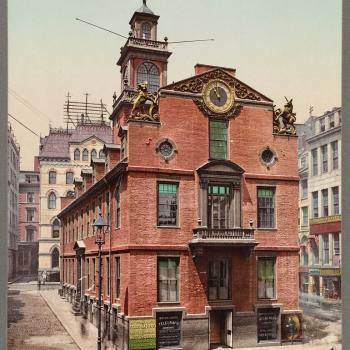
Using Pictures to Build Schema for Social Studies Content
How do you read an image? Students find out in this lesson in which they "read" several images of the Boston Massacre to better understand the event and recognize effects of propaganda.
The Magnetism of Language: Parts of Speech, Poetry, and Word Play
Grades
6 - 8
|
Lesson Plan
|
Standard Lesson
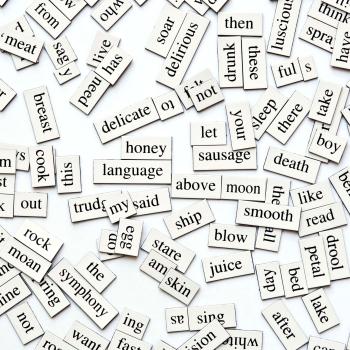
The Magnetism of Language: Parts of Speech, Poetry, and Word Play
What wonderful ways words work! The parts of speech are the highlight of this lesson in which students identify parts of speech in a nonsensical poem and then create their own wild and wacky rhymes.
Let's Read It Again: Comprehension Strategies for English-Language Learners
Grades
K - 2
|
Lesson Plan
|
Standard Lesson
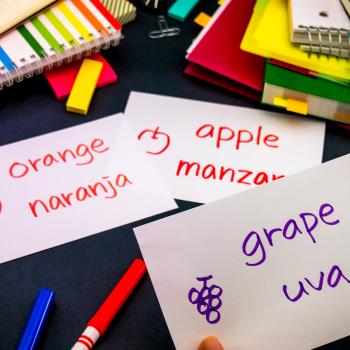
Let's Read It Again: Comprehension Strategies for English-Language Learners
Help Spanish-speaking English-language learners unlock the mysteries of their new language by using a bilingual book to recognize unfamiliar words and construct meaning from the text.
Whole-to-Parts Phonics Instruction: Teaching Letter-Sound Correspondences
Grades
K - 2
|
Lesson Plan
|
Standard Lesson
Whole-to-Parts Phonics Instruction: Teaching Letter-Sound Correspondences
Students will find that learning onset and rime is a handy skill when they read the Jack and Jill rhyme.
Getting the <em>ig</em> in Pig: Helping Children Discover Onset and Rime
Grades
K - 2
|
Lesson Plan
|
Standard Lesson
Getting the ig in Pig: Helping Children Discover Onset and Rime
Students will need their language-building hard hats as they construct words using onset and rime, building vocabulary and phonics comprehension.
Pairing Fiction With Poetry and Performance
Grades
9 - 12
|
Lesson Plan
|
Unit
Pairing Fiction With Poetry and Performance
Make connections across genres and across cultures to engage students in the study of literary voice and themes. Comprehension skills and vocabulary also come into play, especially for English language learners, as students read a novel and related poems, then write and perform original poems related to the novel.

Grades
6 - 8
|
Lesson Plan
|
Standard Lesson
My Life/Your Life: A Look at Your Parents' Past
Past and present come together when students interview their parents and create a skit that compares their parents' experiences as middle schoolers with the students' own lives.
Multipurpose Poetry: Introducing Science Concepts and Increasing Fluency
Grades
3 - 5
|
Lesson Plan
|
Standard Lesson
Multipurpose Poetry: Introducing Science Concepts and Increasing Fluency

Creepy crawlers, hoppers, and fliers are the focus of this lesson in which students chorally read poems about insects and use the Internet to locate facts about their assigned insects.
Using Folk Tales: Vowel Influences on the Letter <em>G</em>
Grades
K - 2
|
Lesson Plan
|
Minilesson
Using Folk Tales: Vowel Influences on the Letter G
Gentle, gigantic, graceful—do these g words describe the giant in Jack and the Beanstalk? Students will explore the hard and soft g sounds by studying fairy tales and animals.

Grades
3 - 5
|
Lesson Plan
|
Standard Lesson
Exploring Compare and Contrast Structure in Expository Texts

Students build their understanding of the terms compare and contrast by participating in class discussions, using Internet resources, working collaboratively, and by visually representing information in a Venn diagram.

WorldReadAloudDay
Grades
4 - 12
|
Calendar Activity
|
Literacy-Related Event
Today is World Read Aloud Day.

Students celebrate the power of words by reading aloud to their classmates and spreading the word of global literacy to their friends and family.

Gwendolyn Brooks published <em>Bronzeville Boys and Girls</em> in 1956.
Grades
3 - 12
|
Calendar Activity
|
Author & Text
Gwendolyn Brooks published Bronzeville Boys and Girls in 1956.

After students have read and discussed several poems from Brooks' collection, they create a poetry anthology for their own family, neighborhood, or classroom.
Grades
3 - 12
|
Calendar Activity
|
Author & Text
Sherman Alexie was born in 1966.

Students imagine they have been asked to participate in a museum exhibit, take photos/videos of a significant location, and write or record reflections. Students can also create an exhibit from something they have read.
Beware the Ides of March!
Grades
3 - 12
|
Calendar Activity
|
Historical Figure & Event
Beware the Ides of March!
Students discuss and categorize superstitions, define a superstition, and compare the similarities and difference between proverbs and superstitions.

Diarist Samuel Pepys was born.
Grades
3 - 12
|
Calendar Activity
|
Historical Figure & Event
Diarist Samuel Pepys was born.
Students write diary entries and revisit the entries as if it were a hundred years from now. Students then brainstorm and write paragraphs about life in the 21st century.
AARI square
Grades
K - 12
|
Calendar Activity
|
Literacy-Related Event
Take part in the African American Read-In!

Students come together with family and friends to take part in a read-in of books by African American authors and report their results.
The Space Shuttle <em>Challenger</em> exploded in 1986.
Grades
3 - 12
|
Calendar Activity
|
Historical Figure & Event
The Space Shuttle Challenger exploded in 1986.

Students interview a parent or another adult about the Challenger and hypothesize about differences. Students can also write about the Columbia disaster in 2003.

Gold was discovered in California in 1848.
Grades
3 - 12
|
Calendar Activity
|
Historical Figure & Event
Gold was discovered in California in 1848.
Students read letters from the Gold Rush and follow up by writing an imaginary letter to a family member about their experience using the Letter Generator.

Pagination

  • First page « First
  • Previous page ‹‹
  • Page 1
  • Page 2
  • Page 3
  • Page 4
  • Page 5
  • Page 6
  • Page 7
  • Next page ››
  • Last page Last »

Explore Resources by Grade

  • KindergartenK
  • 1-2
  • 3-4
  • 5-6
  • 7-8
  • 9-10
  • 11-12

RWT-logo

Powered By NCTE

Footer 1 Menu

  • About
  • Classroom Resources
  • Professional Development
  • Collections
  • Contact Us

Footer 2 Menu

  • National Council of Teachers of English
  • Contribute to RWT
  • FAQs
  • Join NCTE

Footer 3 Menu

  • Legal Notices
  • Privacy Policy
  • Promotional Materials
  • Site Demonstrations

Want to stay in touch with RWT and NCTE? Sign up here!

  • Facebook
  • Twitter
  • Instagram
  • Pinterest
  • YouTube

© NCTE 2026. All rights reserved