In this guide, you will learn how to use Word Walls to support vocabulary development and retention.

Using Word Walls to Develop and Maintain Academic Vocabulary

Using Generative Sentences to Apply Academic Vocabulary
In this guide, you will learn how to use generative sentences to give students opportunities to apply their knowledge of new words in writing.

Teaching with Zooming Slideshows through Prezi
Through Prezi, a web application, students create "zooming" presentations for various purposes, such as presenting research, defending an opinion, or sharing a digital story.

Bringing Lessons to Life with Animoto
Using Animoto, a free Web 2.0 tool, students can develop short digital videos that include music, photos, video clips, and text as well as share their creations electronically.

Speak to Me: Teaching with Voki
Through Voki, a Web 2.0 tool, students create customizable avatars for class presentations for various purposes, such as presenting biographical information, expressing an opinion, or reading a poem.

Swish! Pow! Whack! Teaching Onomatopoeia Through Sports Poetry
Students explore poetry about sports, looking closely at the use of onomatopoeia. After viewing a segment of a sporting event, students create their own onomatopoeic sports poems.

Exploring Disability Using Multimedia and the B-D-A Reading Strategy
History takes on new dimensions in this interactive multimedia lesson that emphasizes the B-D-A approach to research as students investigate the experiences of people with disabilities since the early 1800s.
Guided Comprehension: Previewing Using an Anticipation Guide
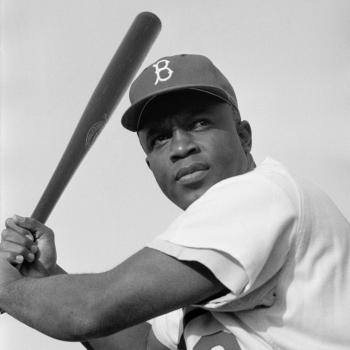
Based on the Guided Comprehension Model developed by Maureen McLaughlin and Mary Beth Allen, this lesson introduces students to the comprehension strategy of previewing.

Finding Solutions to Food Waste: Persuasion in a Digital World
Using various reading strategies and resources, students explore the issue of food waste. They also create persuasive arguments and blog posts examining this topic.

Inspire Healthful Reading Using Unconventional Texts
This minilesson encourages children to seek out and appropriately react to nutrition labels and to make healthy food choices, integrating science, math, health, and literacy.

A Race With Grace: Sports Poetry in Motion
In this lesson, athletics, aesthetics, and poetics intersect in new ways as developing literacy learners experiment together with the forms of language.

Celebrate Digital Learning Day today.
Students reflect on recent learning and the role digital tools and media have played in supporting or enhancing it.
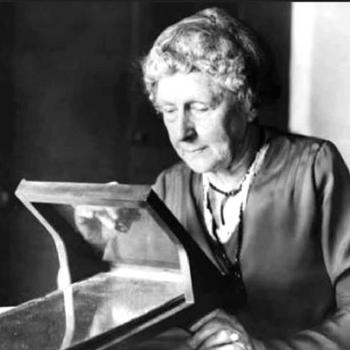
Astronomer Annie Jump Cannon was born today.
Students research a constellation and share their learning using an interactive or mobile app.
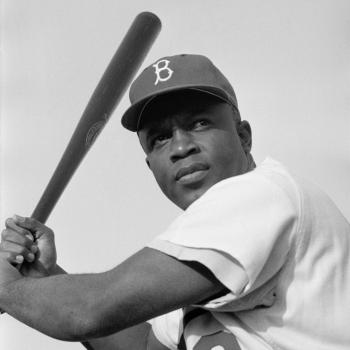
Jackie Robinson was born on this day in 1919.
Students read messages sent to the White House from Jackie Robinson and discuss his role as an athlete and a civil rights activist, as well as the role of athletes in society.

James Naismith, inventor of the game of basketball, was born in 1861.
Students look at Naismith's original 13 rules for basketball and write about the rules and how they have changed in small groups.

Amazing Biographies: Writing About People Who Change the World
After reading about historical figures and other important people that have changed the world, children choose someone that they consider to be "amazing"—either someone they've heard about or someone they know—and create a book page that highlights this person.

Special Memories & Significant Moments: Making an Electronic Scrapbook
Using a variety of artifacts, mementos, and technologies, teens can create an electronic scrapbook of their most important moments in high school.

The first woman swam the English Channel in 1926.
Students brainstorm a list of famous athletic competitors and establish criteria for what makes an athlete "famous." Students then forecast which of today's athletes will still be remembered in 75 to 100 years.

Ernest Thayer, author of the famous poem "Casey at the Bat," was born in 1863.
In small groups or individually, students make baseball cards for the players in the poem "Casey at the Bat." Students can use a word processor or the Character Trading Cards interactive to create their cards.