A representative from the local chapter of the League of Women Voters is invited to talk to students about voting rights and what they can do to be active in politics.

The 19th Amendment to the U.S. Constitution gave women the right to vote in 1920.
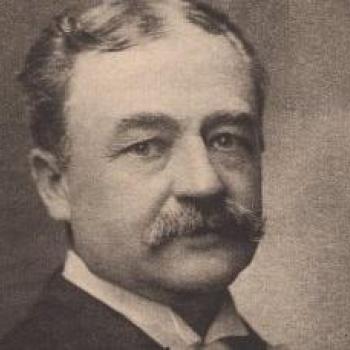
Montgomery Ward published the first mail-order catalog in 1872.
Students explore how and why catalogs have changed over the years and compare their findings about printed catalogs with online catalogs.
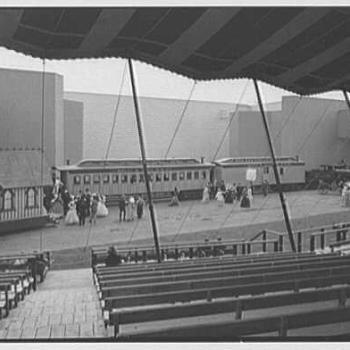
In 1870, the U.S. Transcontinental Railroad was completed.
Students access the National Park Service website and look at the webpage "The Last Spikes." Students explore different accounts of what happened as the railroad neared completion and discuss the nature of ceremonies.

The first English printer, William Caxton, was born on this day in 1422.
Students consider how the printing press affects their world by completing a printing inventory, comparing lists, and developing a "super" list of all printed materials that they interact with.

The first picture of Earth was taken by the U.S. satellite Explorer VI in 1959.
After students view the first picture from the Explorer VI Satellite, they discuss the differences between this first image and the images of the earth that we typically see today.

The first woman swam the English Channel in 1926.
Students brainstorm a list of famous athletic competitors and establish criteria for what makes an athlete "famous." Students then forecast which of today's athletes will still be remembered in 75 to 100 years.
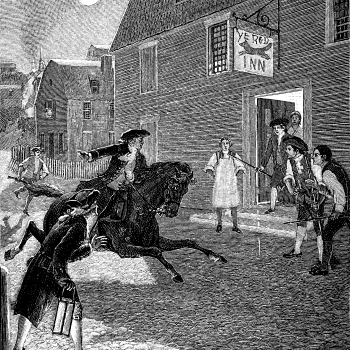
Paul Revere began his famous midnight ride in 1775.
Through the study of Paul Revere, students learn about primary source documents while researching their family histories, with which they create and compare their family trees.