ReadWriteThink - Powered by NCTE
  • About
  • Classroom Resources
    • Lesson Plans
    • Teaching Comics
    • Teaching With Primary Resources
    • Calendar
    • Printouts
    • Student Interactives
  • Collections
    • Assessment
    • Authors
    • Booklists
    • Media Literacy
    • Poetry
    • Primary Sources
    • Writing
  • Professional Development
    • Strategy Guides
    • Professional Library
    • Meetings & Events
  • Join NCTE
  • Contact Us
  • About
  • Classroom Resources
    • Lesson Plans
    • Teaching Comics
    • Teaching With Primary Resources
    • Calendar
    • Printouts
    • Student Interactives
  • Collections
    • Assessment
    • Authors
    • Booklists
    • Media Literacy
    • Poetry
    • Primary Sources
    • Writing
  • Professional Development
    • Strategy Guides
    • Professional Library
    • Meetings & Events
  • Join NCTE
  • Contact Us
  • Facebook
  • Twitter
  • Instagram
  • Pinterest
  • YouTube

Breadcrumb

  1. Home

Type

  • (-) Standard Lesson

Grades

  • 1 (91)
  • 2 (94)
  • 3 (151)
  • 4 (161)
  • 5 (173)
  • 6 (185)
  • 7 (182)
  • 8 (185)
  • 9 (203)
  • 10 (197)
  • 11 (192)
  • 12 (191)
  • K (81)

Learning Objectives

  • collaboration (249)
  • Comprehension (242)
  • critical thinking (244)
  • digital literacy (71)
  • Grammar (31)
  • inquiry / research (133)
  • listening (72)
  • literary analysis (210)
  • Media literacy (85)
  • metacognition (86)
  • multicultural awareness (37)
  • multimodal literacy (112)
  • oral communication (107)
  • phonological awareness (33)
  • print awareness (37)
  • reading fluency (33)
  • reading genres (120)
  • Spelling (30)
  • text structure / story structure (113)
  • Vocabulary (100)
  • writing genres (189)
  • writing process (234)

Topics

  • arts
  • careers
  • community
  • drama
  • ELL
  • Family
  • fiction
  • Mathematics
  • Mobile Learning
  • nonfiction
  • poetry
  • science
  • seasons / holidays
  • social action
  • social studies / history
  • Sports
  • STEM
children coloring
Grades
3 - 5
|
Lesson Plan
|
Standard Lesson
Artistic Elements: Exploring Art Through Descriptive Writing

Paint a vivid picture in your reader's mind with good descriptive writing! Artwork provides the perfect starting point for practicing descriptive writing that conveys color, shape, line, and mood.
Sequencing: A Strategy to Succeed at Reading Comprehension
Grades
3 - 5
|
Lesson Plan
|
Standard Lesson
Sequencing: A Strategy to Succeed at Reading Comprehension
Did Paul Bunyan gouge out the Grand Canyon before or after he dug the Great Lakes? Students create a life-sized timeline showing the sequence of events in this tall tale.
Writing Workshop: Helping Writers Choose and Focus on a Topic
Grades
K - 2
|
Lesson Plan
|
Standard Lesson
Writing Workshop: Helping Writers Choose and Focus on a Topic
Students engage in writing workshop, using a timeline to focus in on and write about a specific event.
Exploring the Subtext Strategy: Thinking Beyond the Text
Grades
2 - 4
|
Lesson Plan
|
Standard Lesson
Exploring the Subtext Strategy: Thinking Beyond the Text
What is it like to have a terrible, horrible, no good, very bad day? Students find out in this lesson in which they "become" the characters in Judith Viorst's book.

Internalization of Vocabulary Through the Use of a Word Map
Grades
6 - 8
|
Lesson Plan
|
Standard Lesson
Internalization of Vocabulary Through the Use of a Word Map
Students practice with words and develop both definitional and contextual knowledge through two agents—purposeful sequencing of steps and collaboration with peers.
Press Conference for <em>Bud, Not Buddy</em>
Grades
6 - 8
|
Lesson Plan
|
Standard Lesson
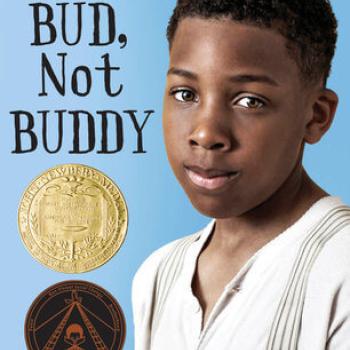
Press Conference for Bud, Not Buddy
Students read Bud, Not Buddy by Christopher Paul Curtis, demonstrate comprehension of the story by involving themselves in discussions, and analyze the characters in preparation for a class "press conference."

Learning Vocabulary Down By the Bay
Grades
K - 1
|
Lesson Plan
|
Standard Lesson
Learning Vocabulary Down By the Bay
Students sing a popular children's song, follow along with a picture book that contains the lyrics and illustrations, and then participate in activities to reinforce learning of the vocabulary words.
Creative Communication Frames: Discovering Similarities between Writing and Art
Grades
6 - 8
|
Lesson Plan
|
Standard Lesson
Creative Communication Frames: Discovering Similarities between Writing and Art
Graphic organizers assist the development of comparative vocabulary and generate discussions of analogy and metaphor in art as students go on a real or virtual tour of an art gallery.
Sentence Quest: Using Parts of Speech to Write Descriptive Sentences
Grades
K - 2
|
Lesson Plan
|
Standard Lesson
Sentence Quest: Using Parts of Speech to Write Descriptive Sentences
Students learn about sentences by listing verbs, nouns, and adjectives. They use word cards to create descriptive sentences and work in groups to create the longest sentences they can.
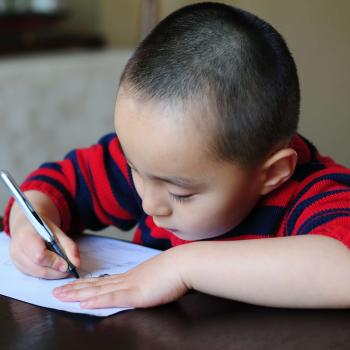
Name Talk: Exploring Letter-Sound Knowledge in the Primary Classroom
Grades
K - 1
|
Lesson Plan
|
Standard Lesson
Name Talk: Exploring Letter-Sound Knowledge in the Primary Classroom
Students demonstrate their letter/sound knowledge by working with name cards and sharing observations about their classmates' names, giving teachers an opportunity to assess knowledge in a meaningful context.

Grades
3 - 5
|
Lesson Plan
|
Standard Lesson
Developing a Living Definition of Reading in the Elementary Classroom
Using the guiding question, "What is reading?" students interact with a variety of texts as they uncover the skills necessary to interact with texts and develop a definition of reading.
Fairy Tale Autobiographies
Grades
5 - 9
|
Lesson Plan
|
Standard Lesson
Fairy Tale Autobiographies
Students read and analyze fairy tales from several cultures, identifying common elements. Choosing common situations, students write original fairy tales, using picture books as models and a peer review process.

Blogging in the Primary Grades? Yes, Indeed!
Grades
2 - 5
|
Lesson Plan
|
Standard Lesson
Blogging in the Primary Grades? Yes, Indeed!
Give students an authentic reason to read and write by researching blogs written by their peers around the world and then writing their own.
Amelia Bedelia Up Close! Closely Reading a Classic Story
Grades
1 - 2
|
Lesson Plan
|
Standard Lesson
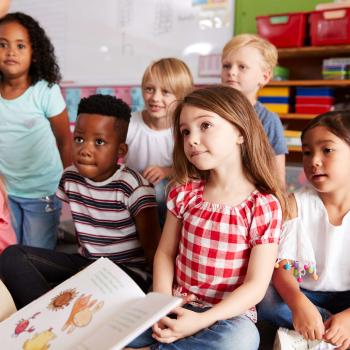
Amelia Bedelia Up Close! Closely Reading a Classic Story
Through a close reading of Amelia Bedelia, students reread the material to discuss text-dependent questions, promoting deep thinking about the text and its characters.

Awareness of Alliteration: Enhancing Writing Through Mentor Texts
Grades
1
|
Lesson Plan
|
Standard Lesson
Awareness of Alliteration: Enhancing Writing Through Mentor Texts
Through this lesson, primary students strengthen their phonemic awareness while using picture books featuring alliteration as models for their own writing.

<i>The Houdini Box</i>: What Did Houdini Hide? Writing Creative Endings
Grades
3 - 6
|
Lesson Plan
|
Standard Lesson
The Houdini Box: What Did Houdini Hide? Writing Creative Endings

Students are encouraged to understand a book that the teacher reads aloud to create a new ending for it using the writing process.

Engineering the Perfect Poem by Using the Vocabulary of STEM
Grades
7 - 10
|
Lesson Plan
|
Standard Lesson
Engineering the Perfect Poem by Using the Vocabulary of STEM

Students research engineering careers and create poetry to understand the vocabulary of STEM (science, technology, engineering, and mathematics).

What is Poetry? Contrasting Poetry and Prose
Grades
6 - 8
|
Lesson Plan
|
Standard Lesson
What is Poetry? Contrasting Poetry and Prose

Students often find poetry frustrating and meaningless. By helping students think critically about the differences between poetry and prose, this introduction sets the stage for different strategies for comprehending poetic texts.

Making Memories: An End-of-Year Digital Scrapbook
Grades
6 - 8
|
Lesson Plan
|
Standard Lesson
Making Memories: An End-of-Year Digital Scrapbook
Students reflect on their school year, creating a digital scrapbook consisting of images and text to present to their school community.

A Prereading Strategy: Using the Vocabulary, Language, Prediction (VLP) Approach
Grades
6 - 8
|
Lesson Plan
|
Standard Lesson
A Prereading Strategy: Using the Vocabulary, Language, Prediction (VLP) Approach
Students learn content area vocabulary and increase reading comprehension using the Vocabulary, Language, Prediction (VLP) approach.

Pagination

  • First page « First
  • Previous page ‹‹
  • …
  • Page 19
  • Page 20
  • Page 21
  • Page 22
  • Page 23
  • Page 24
  • Page 25
  • Page 26
  • Page 27
  • …
  • Next page ››
  • Last page Last »

Explore Resources by Grade

  • KindergartenK
  • 1-2
  • 3-4
  • 5-6
  • 7-8
  • 9-10
  • 11-12

RWT-logo

Powered By NCTE

Footer 1 Menu

  • About
  • Classroom Resources
  • Professional Development
  • Collections
  • Contact Us

Footer 2 Menu

  • National Council of Teachers of English
  • Contribute to RWT
  • FAQs
  • Join NCTE

Footer 3 Menu

  • Legal Notices
  • Privacy Policy
  • Promotional Materials
  • Site Demonstrations

Want to stay in touch with RWT and NCTE? Sign up here!

  • Facebook
  • Twitter
  • Instagram
  • Pinterest
  • YouTube

© NCTE 2026. All rights reserved