Students learn how to walk a mile in someone else's shoes by reading historical fiction about the Underground Railroad.
Traveling the Road to Freedom Through Research and Historical Fiction
All About Our Town: Using Brochures to Teach Informational Writing
Students explore their towns' landmarks, symbols, and people; look at brochures and other informational tools; practice writing for a specific audience and revising; and work collaboratively to create a brochure.

Exploring and Sharing Family Stories
Writing gets personal when students interview family members in order to write a personal narrative about that person.
Let It Grow: An Inquiry-Based Organic Gardening Research Project
Students learn about organic gardening by developing their own research questions, conducting research, gardening at their school, creating signs about their plants, and presenting their research to the class.
MyTube: Changing the World With Video Public Service Announcements
This assignment will go viral with students as they think about the meanings of words and images in public service announcements from YouTube before creating a PSA of their own.

Crit Lit for Kids: From Critical Consciousness to Service Learning
Students take their ideas from the classroom page to the community pavement when they participate in a service-learning project based on their multimedia presentations.
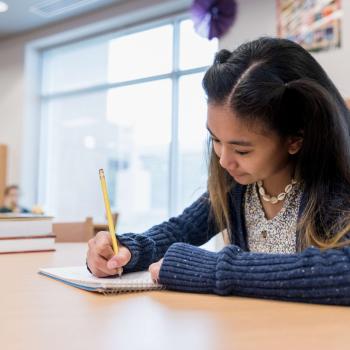
Writers' Workshop: The Biographical Sketch
Students use the faces and places they learn about in their research to write a biography about a contemporary or historical figure.

Developing Story Structure With Paper-Bag Skits
Lights, camera, action, and a bit of mystery! In this lesson, students use mystery props in a skit bag to create and perform in short, impromptu skits.
Zines for Kids: Multigenre Texts About Media Icons
Special edition! Students use ReadWriteThink tools to create magazines about prominent figures using a variety of writing genres and styles.
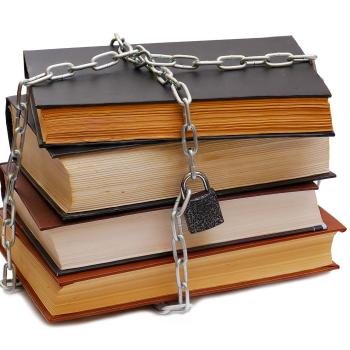
Censorship in the Classroom: Understanding Controversial Issues
Students examine propaganda and media bias, research a variety of banned and challenged books, choose a side of the censorship issue, and support their position through an advertising campaign.
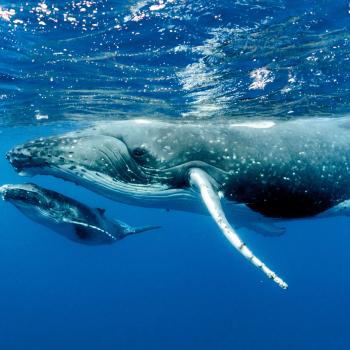
Reading and Writing About Whales Using Fiction and Nonfiction Texts
Students will have a whale of a good time in this lesson in which they use fiction and nonfiction texts to write a letter to an online scientist.
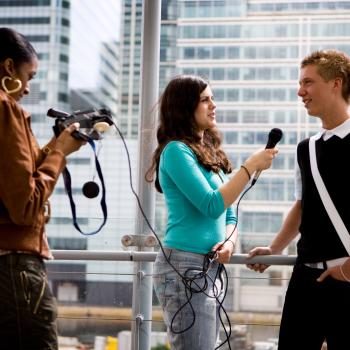
Lights, Camera, Action: Interviewing a Book Character
Students get the inside scoop on a story when they create interview questions and answers for characters in the books they read.
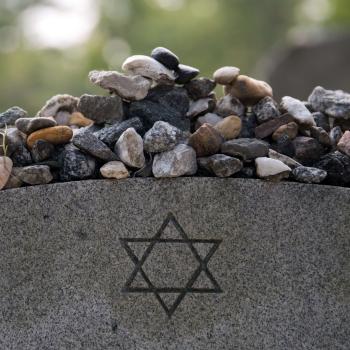
Fighting Injustice by Studying Lessons of the Past
Social injustice occurs every day all over the world. In this lesson, students research a few historical examples of social injustice, including the Holocaust, the Trail of Tears, and Japanese internment.
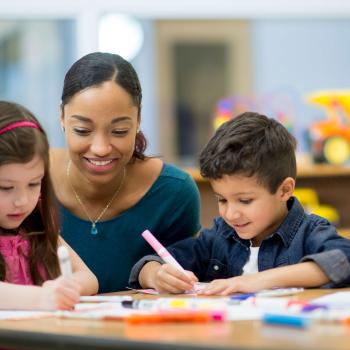
From Fact to Fiction: Drawing and Writing Stories
Students gather factual information about frogs and toads to create nonfiction and fiction stories. Drawing is used for prewriting.
The Big, Bad Wolf...Is This a Fact?
Reading is revamped in this lesson in which students use a multimedia approach to study the books by Seymour Simon.
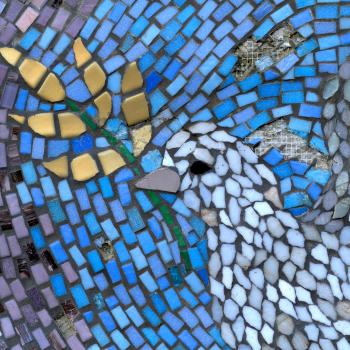
Peace Poems and Picasso Doves: Literature, Art, Technology, and Poetry
Students apply think-aloud strategies to reading and to composition of artwork and poetry. They research symbols of peace as they prewrite, compose, and publish their poetry.

In the Poet's Shoes: Performing Poetry and Building Meaning
Students take poetic license when they interpret William Carlos William's poem "The Red Wheelbarrow" to help create a poem of their own.
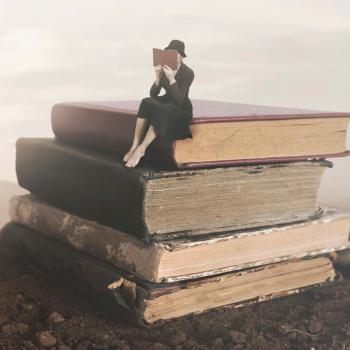
Analyzing Character Development in Three Short Stories About Women
Students read three short stories about women; discuss the development of female characters, gender differences, and society's expectations; and write scripts in which the characters discuss their similarities and differences.
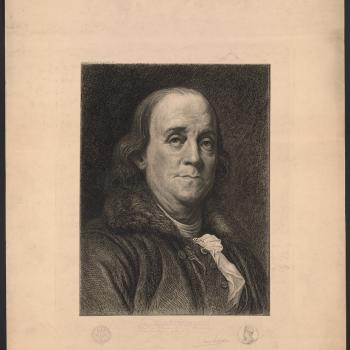
History Comes Alive: Developing Fluency and Comprehension Using Social Studies
Let the power of imagination and inference serve as a "time machine" to bring Benjamin Franklin into the classroom! History and science come to life in a dialogue with Franklin the inventor, developed through lesson activities that incorporate research, imagination, writing, visual arts, and drama.
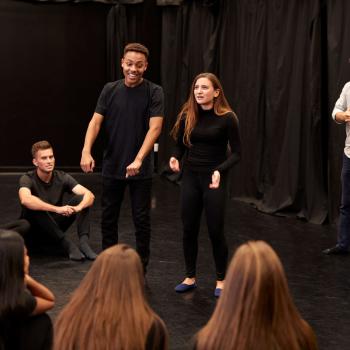
Pairing Fiction With Poetry and Performance
Make connections across genres and across cultures to engage students in the study of literary voice and themes. Comprehension skills and vocabulary also come into play, especially for English language learners, as students read a novel and related poems, then write and perform original poems related to the novel.