This lesson is a conversation-starter! In this lesson, students learn about striking up deep-thought conversations and staying on topic in the form of a book talk.

Talking About Books to Improve Comprehension
Rain, Ice, Steam: Using Reading to Support Inquiry About the Water Cycle
Water is always moving in a continuous cycle from liquid to solid to gas and back again. Students study this never-ending cycle through shared readings, center activities, and experiments.

Using Children's Literature to Develop Classroom Community
Conversation and cooperation bring out the best in students when they hold dialogues about their individual strengths, abilities, and talents.

Integrating Literacy Into the Study of the Earth's Surface
Water covers 71% of the earth's surface—does it get the instructional time it deserves in your busy curriculum? Students wade right in to the study of bodies of water as they read and discuss science trade books and work together to develop Readers Theater scripts based on selected titles.
Shhh! Bear's Sleeping: Learning About Nonfiction and Fiction Using Read-Alouds
Students explore the distinction between the fiction story Bear Snores On and the nonfiction book Every Autumn Comes the Bear.

Descriptive Writing and the 100th Day of School
Students write descriptions of 100th day bottles they create at home, write clues about their bottles for a guessing game, practice descriptive writing, and create a class book.

Using Word Storms to Explore Vocabulary and Encourage Critical Thinking
Students learn that dogs are more than just pets in this lesson, which teaches them to use research and vocabulary-acquisition strategies to learn and write about working dogs.

Shared Poetry Reading: Teaching Print Concepts, Rhyme, and Vocabulary
The rhyme and reason behind this lesson is that students will need to develop important reading skills to increase their reading fluency.

Nature Reflections: Interactive Language Practice for English-Language Learners
Students whose first language is not English reflect on nature through readings, a visit to a green area, and bookmaking using the writing process and peer feedback.
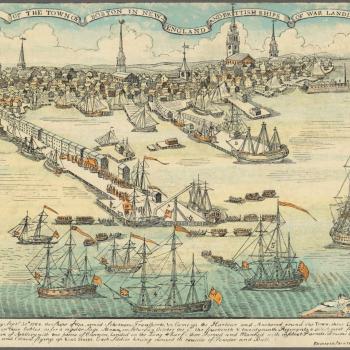
Learning About Research and Writing Using the American Revolution
Students across the board will get a kick out of researching a historical figure from the American Revolution to create an acrostic poem.

Rooting Out Meaning: Morpheme Match-Ups in the Primary Grades
In this lesson, students use morphemesEnglish words that have been formed by combining common word partsto explore word meanings.
Teaching About Story Structure Using Fairy Tales
From "once upon a time" to "happily ever after," students learn to recognize story structure in fairy tales and create a logical sequence of events when writing original stories.

I Wonder: Writing Scientific Explanations With Students
Students choose a question to explore, research it using a variety of resources, organize their information on a TCF chart, and then collaboratively write a class scientific explanation.

How-To Writing: Motivating Students to Write for a Real Purpose
It's not easy surviving fourth grade (or third or fifth)! In this lesson, students brainstorm survival tips for future fourth graders and incorporate those tips into an essay.

Delicious, Tasty, Yummy: Enriching Writing with Adjectives and Synonyms
Students thoroughly explore identifying synonyms and adjectives before using them to add variety and interest to their own writing.

Buzz! Whiz! Bang! Using Comic Books to Teach Onomatopoeia
This lesson is sure to sizzle, not fizzle, as students use comic strips to find onomatopoetic words, develop a vocabulary list from the words, and discuss why writers use onomatopoeia.

What's in a Mystery? Exploring and Identifying Mystery Elements
Students identify the characteristics of mystery writing, outline a mystery story using a graphic organizer, write and revise their own mystery story, edit each other's work, and share their mysteries.
Dancing Minds and Shouting Smiles: Teaching Personification Through Poetry
Students learn about personification by reading and discussing poems and then brainstorm nouns and verbs to create personification in their own poems.

Inferring How and Why Characters Change
Students will really get into character when they read short stories and analyze the how's and why's of characters' behaviors.
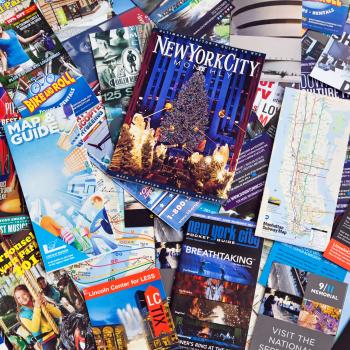
All About Our Town: Using Brochures to Teach Informational Writing
Students explore their towns' landmarks, symbols, and people; look at brochures and other informational tools; practice writing for a specific audience and revising; and work collaboratively to create a brochure.