ReadWriteThink - Powered by NCTE
  • About
  • Classroom Resources
    • Lesson Plans
    • Teaching Comics
    • Teaching With Primary Resources
    • Calendar
    • Printouts
    • Student Interactives
  • Collections
    • Assessment
    • Authors
    • Booklists
    • Media Literacy
    • Poetry
    • Primary Sources
    • Writing
  • Professional Development
    • Strategy Guides
    • Professional Library
    • Meetings & Events
  • Join NCTE
  • Contact Us
  • About
  • Classroom Resources
    • Lesson Plans
    • Teaching Comics
    • Teaching With Primary Resources
    • Calendar
    • Printouts
    • Student Interactives
  • Collections
    • Assessment
    • Authors
    • Booklists
    • Media Literacy
    • Poetry
    • Primary Sources
    • Writing
  • Professional Development
    • Strategy Guides
    • Professional Library
    • Meetings & Events
  • Join NCTE
  • Contact Us
  • Facebook
  • Twitter
  • Instagram
  • Pinterest
  • YouTube

Breadcrumb

  1. Home

Type

  • Classroom Resources
  • Professional Development

Grades

  • 1 (28)
  • 3 (54)
  • 4 (57)
  • 5 (69)
  • 6 (98)
  • 7 (105)
  • 8 (109)
  • 9 (98)
  • 10 (95)
  • 11 (93)
  • 12 (93)
  • K (27)
  • (-) 2 (34)

Learning Objectives

  • (-) digital literacy (24)
  • (-) Grammar (10)
  • collaboration (91)
  • Comprehension (98)
  • critical thinking (93)
  • inquiry / research (61)
  • listening (47)
  • literary analysis (36)
  • Media literacy (23)
  • metacognition (41)
  • multicultural awareness (17)
  • multimodal literacy (37)
  • oral communication (47)
  • phonological awareness (43)
  • print awareness (32)
  • reading fluency (33)
  • reading genres (41)
  • Spelling (30)
  • text structure / story structure (51)
  • Vocabulary (64)
  • writing genres (60)
  • writing process (86)

Topics

  • arts
  • careers
  • community
  • drama
  • ELL
  • Family
  • fiction
  • Mathematics
  • Mobile Learning
  • nonfiction
  • poetry
  • science
  • seasons / holidays
  • social action
  • social studies / history
  • STEM
Literacy Centers: Getting Started
Grades
K - 2
|
Lesson Plan
|
Recurring Lesson
Literacy Centers: Getting Started
This lesson gives teachers resources and guidance to create reading, listening, computer, and poetry Literacy Centers in their own classrooms.

Grades
K - 2
|
Lesson Plan
|
Standard Lesson
Write Right Back: Recognizing Readers' Needs and Expectations for E-mail Replies
Students who know how to compose and send simple e-mail messages learn to use the reply function with audience needs and expectations in mind.
Family Message Journals Teach Many Purposes for Writing
Grades
K - 2
|
Lesson Plan
|
Standard Lesson
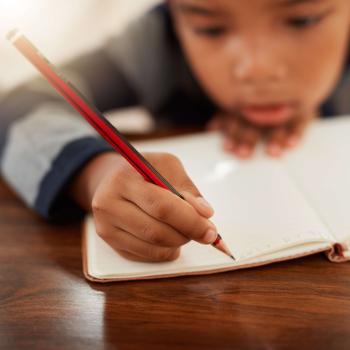
Family Message Journals Teach Many Purposes for Writing
This lesson encourages children to explore authentic reasons for writing by writing messages to their family in a family message journal.
Rosa Parks was born on this day in 1913.
Grades
K - 12
|
Calendar Activity
|
Historical Figure & Event
Rosa Parks was born on this day in 1913.
Rosa Parks was committed to the struggle for social justice and human rights until her death, inspiring millions of people around the world. Today, we celebrate her!
NCTE25CFP
Grades
K - 12
|
Meeting & Event
|
Convention
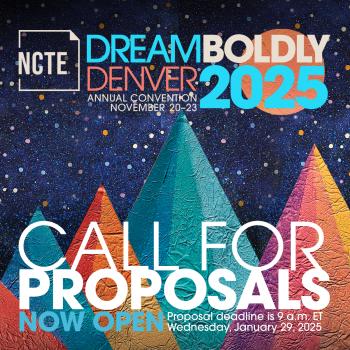
2025 NCTE Annual Convention

Each November thousands of literacy educators from across the country make the journey to a Convention that inspires their practice and rejuvenates their profession.
Stapleless Book
Grades
K - 12
|
Student Interactive
|
Writing & Publishing Prose
Stapleless Book

The Stapleless Book can be used for taking notes while reading, making picture books, collecting facts, or creating vocabulary booklets . . . the possibilities are endless!
Grammar Alive!: A Guide for Teachers
Grades
K - 12
|
Professional Library
|
Book
Grammar Alive!: A Guide for Teachers
NCTE's Assembly for the Teaching of English Grammar provides this much-needed resource for teachers who wonder what to do about grammar—how to teach it, how to apply it, how to learn what they themselves were never taught.

Spelling Cheerleading: Integrating Movement and Spelling Generalizations
Grades
K - 5
|
Lesson Plan
|
Standard Lesson
Spelling Cheerleading: Integrating Movement and Spelling Generalizations
"2-4-6-8, students will be spelling great" in this lesson that teaches the y rule for adding suffixes through cheering the spelling of words aloud, word sorts, and writing stories.

Sentence Quest: Using Parts of Speech to Write Descriptive Sentences
Grades
K - 2
|
Lesson Plan
|
Standard Lesson
Sentence Quest: Using Parts of Speech to Write Descriptive Sentences
Students learn about sentences by listing verbs, nouns, and adjectives. They use word cards to create descriptive sentences and work in groups to create the longest sentences they can.

Show What You Know: Read, Write and Solve Math Problems
Grades
2 - 3
|
Lesson Plan
|
Minilesson
Show What You Know: Read, Write and Solve Math Problems
Informational texts, iPads, and interactive games, oh, my! Help students journey through multimodal texts to identify and solve real-world mathematics problems using writing and apps.

Blogging in the Primary Grades? Yes, Indeed!
Grades
2 - 5
|
Lesson Plan
|
Standard Lesson
Blogging in the Primary Grades? Yes, Indeed!
Give students an authentic reason to read and write by researching blogs written by their peers around the world and then writing their own.

Bringing Economic Vocabulary to Life Through Video Posters
Grades
2 - 5
|
Lesson Plan
|
Minilesson
Bringing Economic Vocabulary to Life Through Video Posters
Imagine if vocabulary could come alive with the click of a button! Students create video posters to demonstrate knowledge of new economics vocabulary.

Digital Word Detectives: Building Vocabulary With e-Book Readers
Grades
2 - 6
|
Lesson Plan
|
Minilesson
Digital Word Detectives: Building Vocabulary With e-Book Readers
Students in grades 2-6 use digital dictionaries and other e-book tools to learn new vocabulary as they read e-books on digital reading devices.

Engaging With Cause-and-Effect Relationships Through Creating Comic Strips
Grades
2 - 4
|
Lesson Plan
Engaging With Cause-and-Effect Relationships Through Creating Comic Strips
Students demonstrate their knowledge of cause-and-effect relationships by creating original comic strips and sharing their completed work in an oral presentation format.

Going Digital: Using e-Book Readers to Enhance the Reading Experience
Grades
2 - 4
|
Lesson Plan
|
Standard Lesson
Going Digital: Using e-Book Readers to Enhance the Reading Experience
Students use various tools and features of digital readers to develop vocabulary, support comprehension, respond to text, improve fluency, and enhance the reading experience.
Word Study with <em>Henry and Mudge</em>
Grades
K - 3
|
Lesson Plan
|
Standard Lesson
Word Study with Henry and Mudge

Henry and Mudge is used in this lesson to build students' word recognition through rereading, high-frequency word banks, word studies, and writing.

Using Greeting Cards to Motivate Students and Enhance Literacy Skills
Grades
K - 2
|
Lesson Plan
|
Standard Lesson
Using Greeting Cards to Motivate Students and Enhance Literacy Skills
Imagination and illustration are the key in this lesson in which students read and create their own greeting cards.

Shared Experiences, Individual Impressions: Buddies Create PowerPoint Stories
Grades
K - 2
|
Lesson Plan
|
Recurring Lesson
Shared Experiences, Individual Impressions: Buddies Create PowerPoint Stories
Stories and snapshots of school-related experiences are the perfect sources of inspiration for students as they create PowerPoint presentations with the help of an older student.
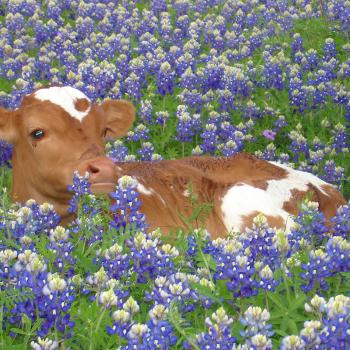
Phonic Generalizations in <em>Chrysanthemum</em>
Grades
K - 2
|
Lesson Plan
|
Minilesson
Phonic Generalizations in Chrysanthemum
Students learn about word families by reading Kevin Henkes's book Chrysanthemum, identifying words with certain vowel pair endings, and reading words with similar endings.
Whole-to-Parts Phonics Instruction: Teaching Letter-Sound Correspondences
Grades
K - 2
|
Lesson Plan
|
Standard Lesson
Whole-to-Parts Phonics Instruction: Teaching Letter-Sound Correspondences
Students will find that learning onset and rime is a handy skill when they read the Jack and Jill rhyme.

Pagination

  • Page 1
  • Page 2
  • Next page ››
  • Last page Last »

Explore Resources by Grade

  • KindergartenK
  • 1-2
  • 3-4
  • 5-6
  • 7-8
  • 9-10
  • 11-12

RWT-logo

Powered By NCTE

Footer 1 Menu

  • About
  • Classroom Resources
  • Professional Development
  • Collections
  • Contact Us

Footer 2 Menu

  • National Council of Teachers of English
  • Contribute to RWT
  • FAQs
  • Join NCTE

Footer 3 Menu

  • Legal Notices
  • Privacy Policy
  • Promotional Materials
  • Site Demonstrations

Want to stay in touch with RWT and NCTE? Sign up here!

  • Facebook
  • Twitter
  • Instagram
  • Pinterest
  • YouTube

© NCTE 2026. All rights reserved